★★★★★
“Our experience with Canine Protection International has been nothing short of exceptional.”
Review on Google
Read full review ↗“Our experience with Canine Protection International has been nothing short of exceptional.”
“It was a pleasure working with Alex and CPI. Our new dog, Cash, is everything that Alex promised!”
“I love the attention to detail and how knowledgeable the entire team was. Alex is great; honest and straightforward.”
Excerpts from Google reviews. Read each review in full on Google.
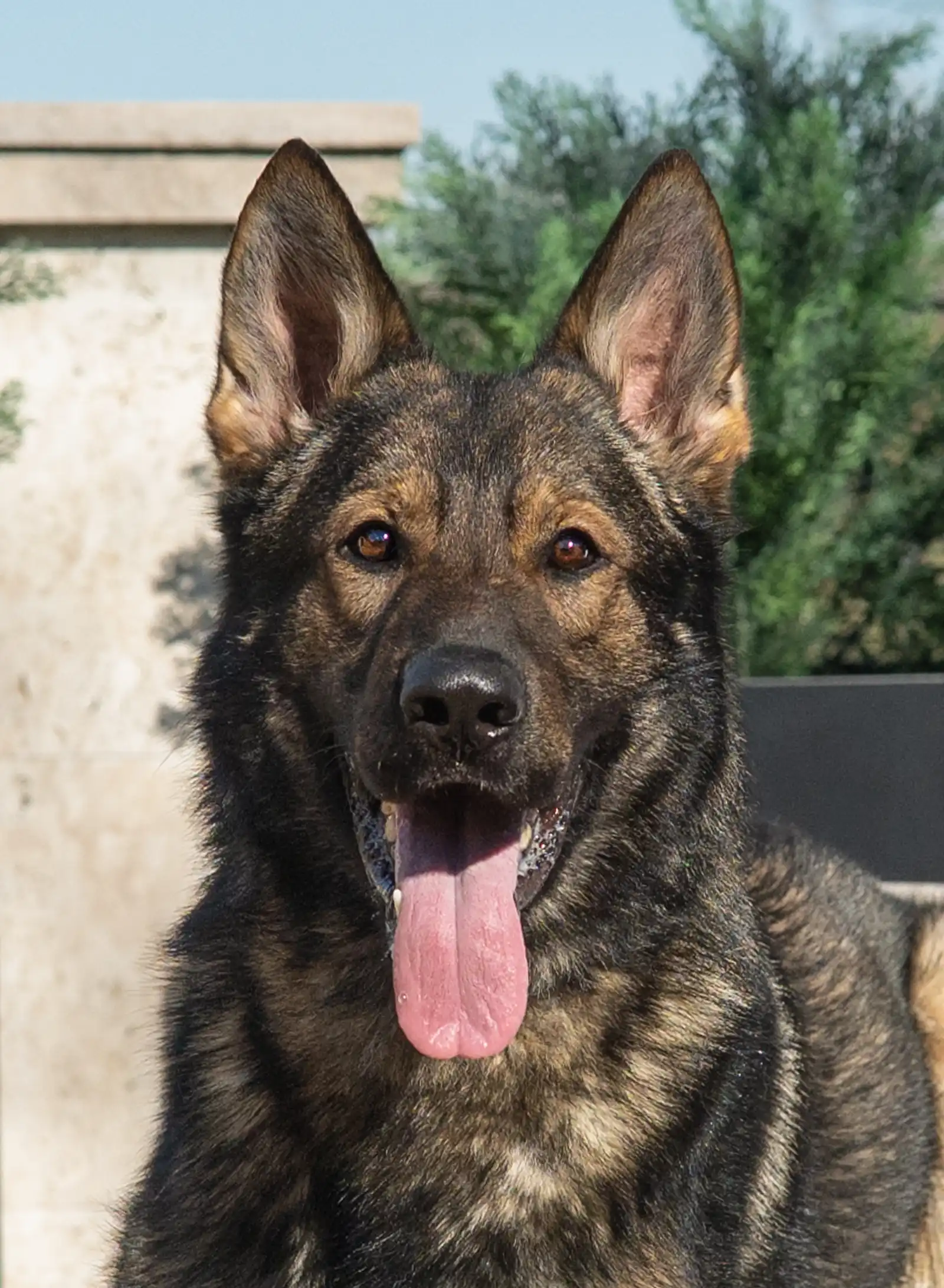
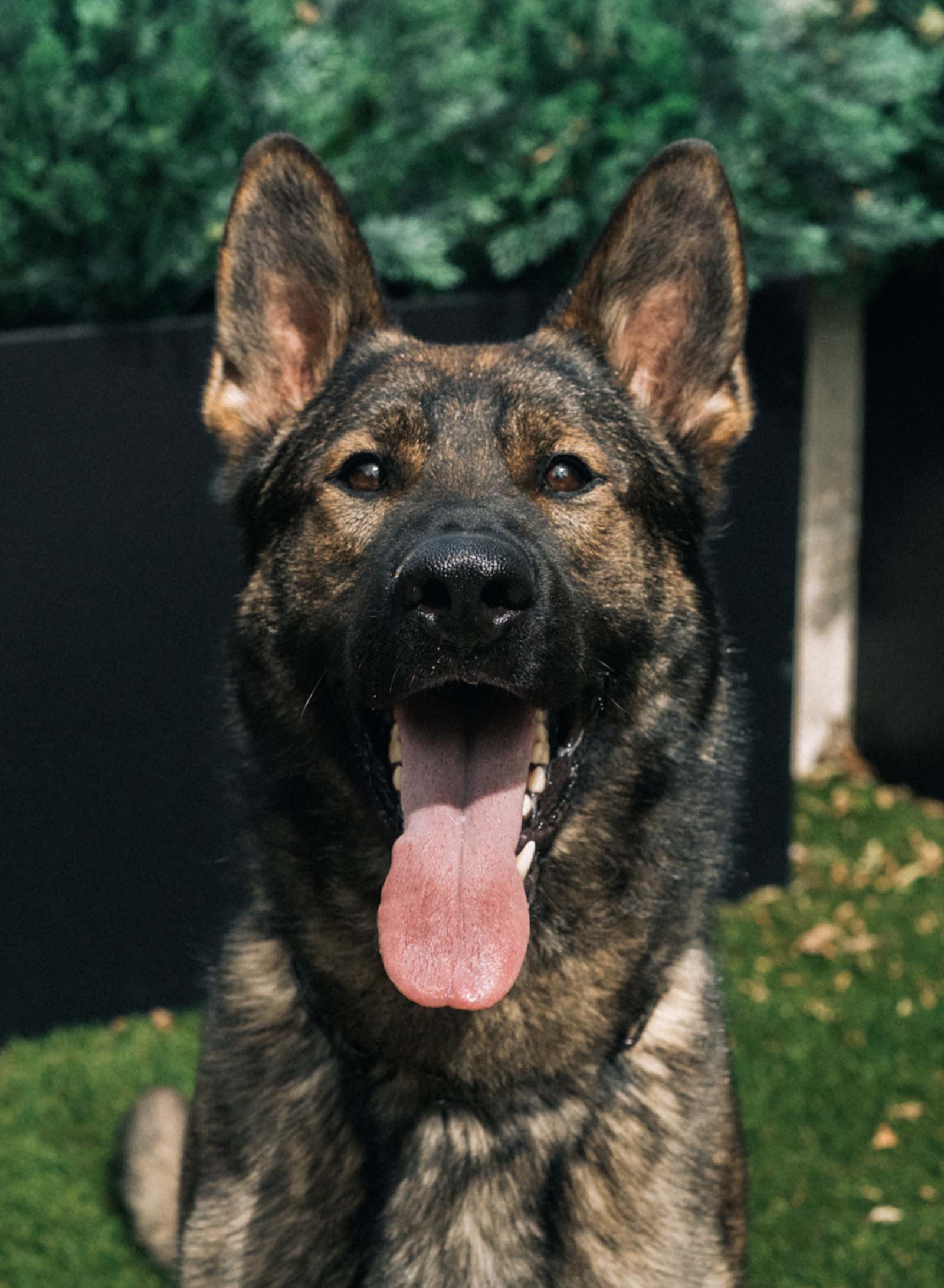
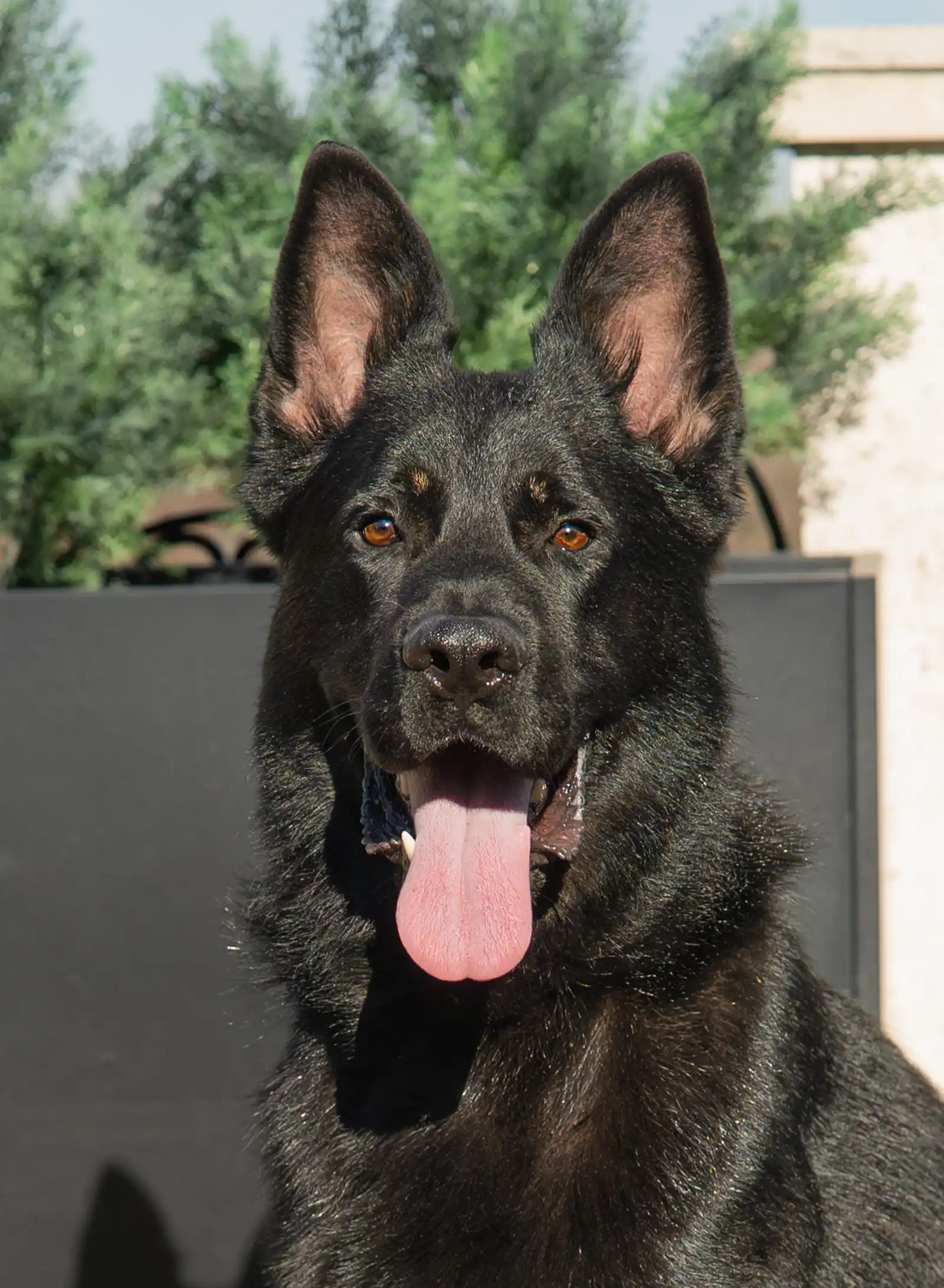
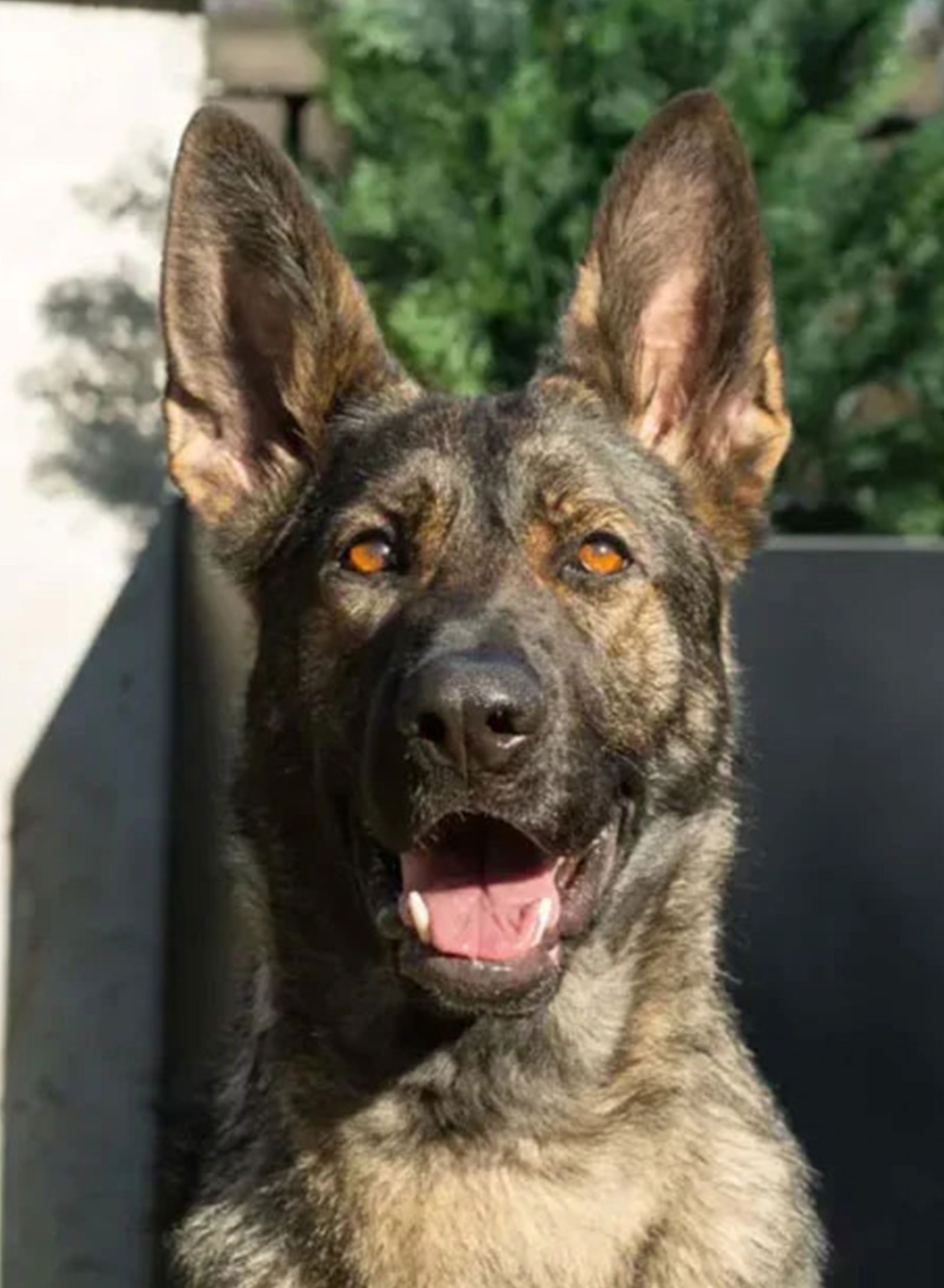
Every CPI dog has an individual energy, set of habits, and way of connecting with people. Availability changes, and some dogs are matched before they appear online. Review the dogs currently available, then speak with CPI about which one fits your household rather than choosing on appearance alone.
You do not need to know which breed or individual dog is right for your household before contacting CPI. The consultation is designed to understand your lifestyle, family, property, and expectations before suitable dogs are recommended.
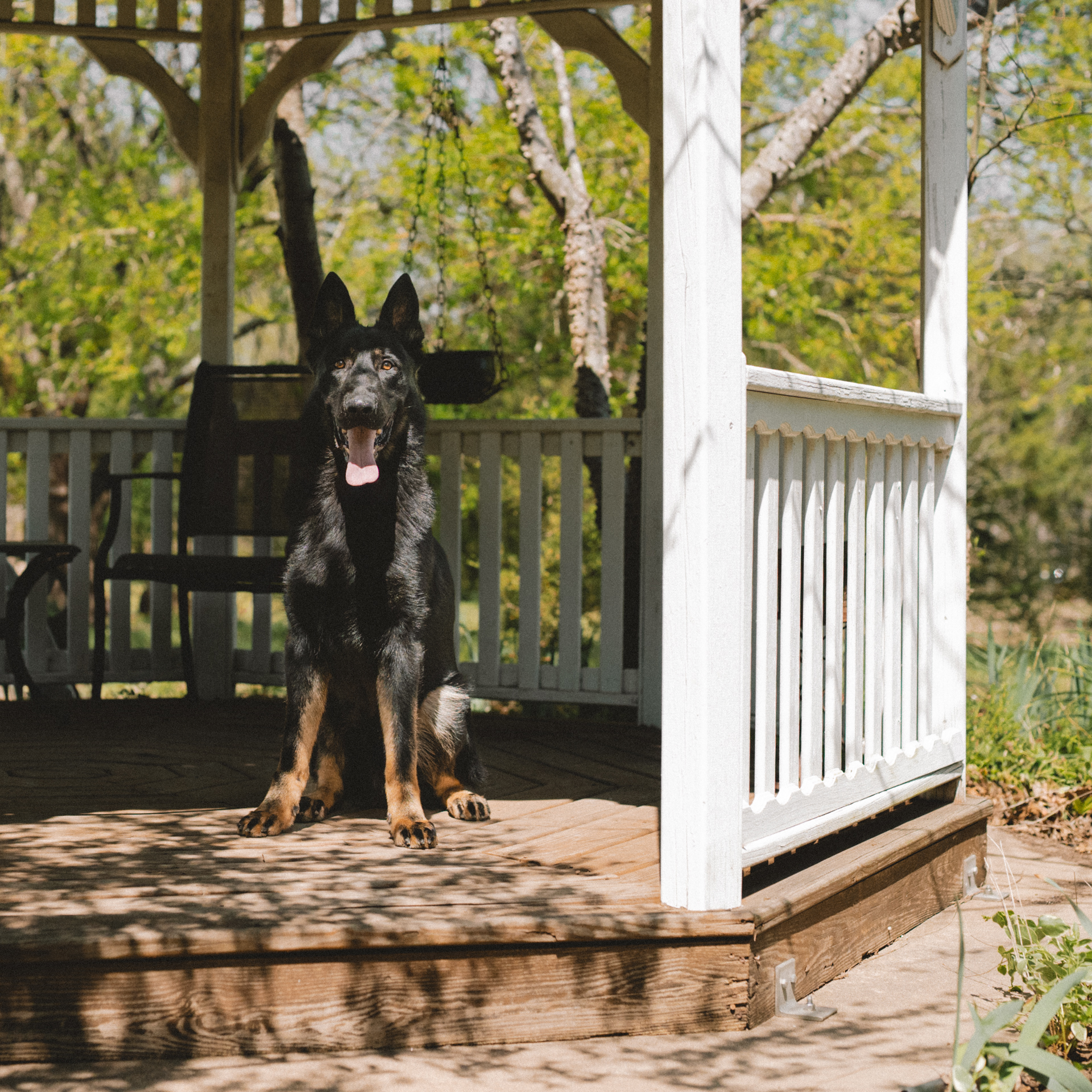
The most useful protection dog is rarely the one drawing attention to itself. It is the dog that can notice what is happening without making the household manage its emotions all day.
In a Boston home, that may mean waiting calmly while a delivery comes through a compact entry, holding position while a child arrives with friends, settling near the kitchen while the house is active, or moving through a shared lobby without treating each unfamiliar person or dog as a concern. It may also mean riding quietly in the car, accepting a guest who has been welcomed inside, and returning to rest after a moment of excitement.
These details are not separate from protection training. They show whether the dog can remain clear when nothing is wrong, respond when the environment is busy, and give control back to the family immediately. Awareness without anxiety, affection without dependence, and power without unnecessary intensity are what allow a protection dog to belong in a private home.
Boston places very different ways of living within a relatively small area. The same family may move between a city residence, a larger home outside Boston, an office, frequent vehicle travel, and another property elsewhere in New England. The dog should not need a different personality for each setting.
A home in Back Bay, Beacon Hill, the South End, or Seaport may involve stairs, elevators, shared entries, service professionals, sidewalks, and people passing at close range. The appropriate dog should be able to stay near the handler without crowding the space, move through unfamiliar people without unnecessary suspicion, and settle inside without demanding constant activity.
Close proximity makes judgment visible. A dog that reacts to every footstep outside the door or every dog on the sidewalk may feel impressive for a moment, but it makes ordinary life smaller. CPI looks for stability that allows the family to keep living normally.
A property in Brookline, Newton, Weston, Wellesley, Dover, or another Greater Boston community creates different expectations. There may be more access points, more outdoor space, children moving between the home and yard, household staff, contractors, and guests arriving by vehicle.
An estate protection dog should be aware of that space without appointing itself the final decision-maker. The family should remain in control of who is welcomed, what behavior is expected, and when the dog is asked to use its protection capability.
Winter changes the rhythm of a home. Entrances become busier with wet coats, boots, deliveries, snow removal, and days when more of life happens indoors. Travel may take the family to the Cape, the North Shore, New Hampshire, or another residence entirely. Those changes should not create a different dog.
CPI considers how the dog settles when routines contract, how it travels, how it accepts new environments, and how quickly it recovers from unfamiliar sights and sounds. The goal is not a dog that merely tolerates change. It is a dog whose character remains recognizable through it.
A fully trained protection dog should be easy to live with before it is impressive to watch. The dog should understand household rules, remain responsive under distraction, and use protection behavior only with clear direction and control.
Close living reveals whether a dog can regulate itself. The dog should be able to rest near the family, move out of the way when asked, remain neutral during normal hallway or doorway activity, and wait without becoming restless or vocal. Calm is not a lack of ability. It is evidence that the dog does not need to prove itself.
Responsiveness should not require shouting or physical struggle. CPI emphasizes clear communication and dependable control, including obedience away from the leash. The dog should follow a quiet direction even when the surroundings are more interesting than the handler.
A family protection dog should not search for conflict or make independent decisions about ordinary visitors. When the dog is asked to show or use protection capability, the same dog must also stop immediately, return to the handler, and become manageable again. Power without that off switch does not belong in a family residence.
Breed, size, and appearance cannot determine whether a dog belongs with your family. CPI considers how the dog seeks affection, handles unfamiliar environments, recovers after excitement, responds to children and other animals, and how much leadership it needs from the owner. A dog suited to a large property and experienced handler may not be the right choice for a city residence, and the reverse can also be true.
A fully trained protection dog should be easy to live with before it is impressive to watch. The dog should understand household rules, remain responsive under distraction, and use protection behavior only with clear direction and control.
Close living reveals whether a dog can regulate itself. The dog should be able to rest near the family, move out of the way when asked, remain neutral during normal hallway or doorway activity, and wait without becoming restless or vocal. Calm is not a lack of ability. It is evidence that the dog does not need to prove itself.
Responsiveness should not require shouting or physical struggle. CPI emphasizes clear communication and dependable control, including obedience away from the leash. The dog should follow a quiet direction even when the surroundings are more interesting than the handler.
A family protection dog should not search for conflict or make independent decisions about ordinary visitors. When the dog is asked to show or use protection capability, the same dog must also stop immediately, return to the handler, and become manageable again. Power without that off switch does not belong in a family residence.
Breed, size, and appearance cannot determine whether a dog belongs with your family. CPI considers how the dog seeks affection, handles unfamiliar environments, recovers after excitement, responds to children and other animals, and how much leadership it needs from the owner. A dog suited to a large property and experienced handler may not be the right choice for a city residence, and the reverse can also be true.

"We purchased 2 dogs from CPI (Brixton and Axel) both Germans. This company does a great job making sure the family & dogs are a good fit for each other and are always willing to help out with any issues or assistance that is needed with the dogs."

The first conversation is about the household, property, priorities, and experience. CPI wants to understand what protection means to you, but also what you expect the dog to feel like on an uneventful day.
A city residence, suburban property, second home, office, vehicles, children, other animals, guests, staff, travel, and winter routines can all influence the recommendation. The more complete the picture, the more precise the match can be.
CPI evaluates how a dog connects, settles, recovers, responds to direction, moves through new environments, and handles protection work. The recommendation should explain why a particular dog fits the family rather than relying on general claims about a breed or training level.
Once a match is identified, CPI can refine manners, obedience, protection exercises, and household expectations around the client's needs. The goal is not to make the dog perform more. It is to make the dog clearer and easier for that family to live with.
During personal delivery, CPI helps the dog understand the new environment and teaches the family how to communicate with consistency. The final outcome should feel less like receiving an ordered product and more like beginning a relationship with a dog the team already knows well.
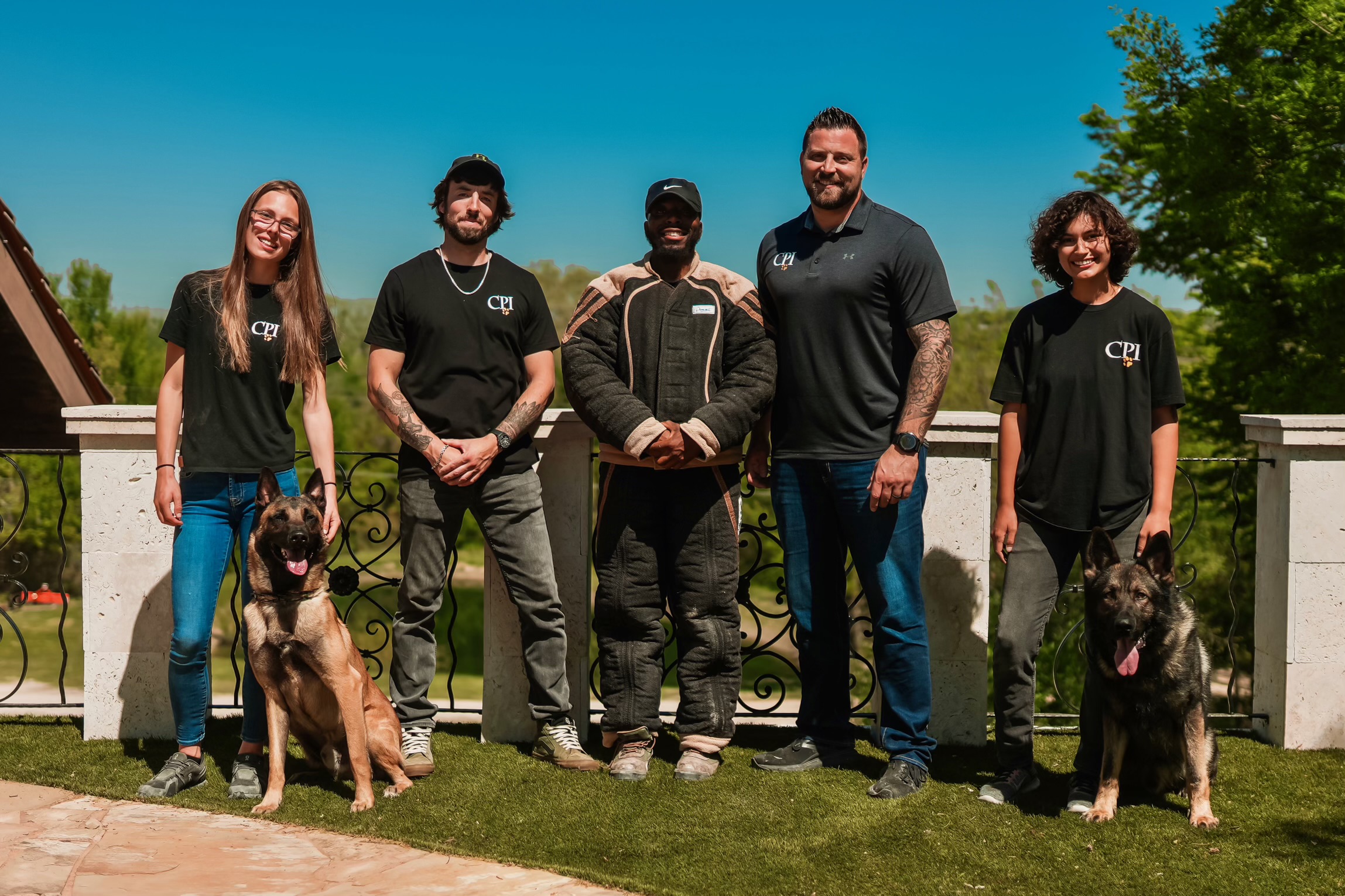
Canine Protection International operates out of a state-of-the-art, 2,400-square-foot facility on private grounds near Dallas, Texas. This environment allows us to personalize every dog’s training, ensuring they meet the highest standards of obedience and protection.
Our process begins in Europe, where dogs are hand-selected for their temperament, intelligence, and guarding instincts. Once they arrive at our facility, we focus on advanced training tailored to real-life scenarios. From family environments to high-stress situations, CPI dogs are prepared to excel in every setting.
CPI is based in the Dallas area and does not present itself as a Boston training facility. That distance should be explained clearly, because it makes the delivery process more important, not less.
Before delivery, CPI prepares the dog around the client's household and expectations. Once the dog arrives in Boston, the team helps introduce the home, family members, routines, vehicles, property boundaries, and the places where control matters most. The family learns how the dog understands direction, how to correct small misunderstandings early, and how to keep communication consistent.
A trained dog should not be shipped to a family with a set of commands and the assumption that the relationship will explain itself. Personal delivery gives the dog and the family time to begin understanding one another while the trainer is still present.
CPI lists Gatir, a German Shepherd sold to a client in Manchester, New Hampshire. His profile describes a dog raised in a home with two girls and two other German Shepherds, with daily walks, structured training, and regular family involvement.
That history does not make Gatir the right dog for every household. It gives CPI meaningful information to evaluate. The team can consider how he learned to live with people, how he receives direction, what social situations are familiar to him, and how those experiences may translate into a new family.
For a Boston-area client, this is more useful than a broad statement that a dog is family-friendly. A responsible recommendation should identify the details behind the claim and explain why the individual dog's temperament, history, and current behavior fit the household being considered.
Read Gatir's profile and learn how CPI evaluates family fit.

CPI personally delivers to clients throughout Boston, including Back Bay, Beacon Hill, the South End, Seaport, Charlestown, West Roxbury, and nearby neighborhoods. City placements are evaluated around the actual residence and routine, including shared spaces, public movement, vehicles, guests, and the amount of daily structure the dog will receive.
Across Greater Boston, CPI serves Cambridge, Brookline, Chestnut Hill, Newton, Weston, Wellesley, Dover, Needham, Lexington, Concord, Winchester, and surrounding communities. Personal delivery is also available to selected North Shore and South Shore locations, including Manchester-by-the-Sea, Hingham, Cohasset, and nearby areas.
These names do not imply a Boston office or define who is a fit for a CPI dog. They describe the range of households and properties CPI can serve through a personal placement process from its Dallas base. Delivery is also available throughout the United States and to most international locations.
A fully trained protection dog is an individual placement, not a standard pet purchase or a short training package. CPI discusses pricing in the context of the dog and the family because the recommendation depends on temperament, development, customization, delivery, and the support required for a clear transition.
The useful question is not only what the dog costs. It is what has been considered before delivery, what instruction happens in the home, what support follows, and what written protections are in place if a health or fit issue arises. CPI publishes written guarantee terms addressing satisfaction, health, and hip and elbow soundness. Current pricing, delivery expenses, and guarantee terms should be reviewed directly with CPI before purchase.
Review CPI's personal delivery process and current guarantee terms.
No. CPI is based in the Dallas area, with an office in Frisco, Texas, and private training grounds north of Dallas. CPI serves Boston and Greater Boston through a personal placement and delivery process. The company should not be represented as having a local Boston address.
Yes. CPI personally delivers trained protection dogs throughout Boston and Greater Boston, including city neighborhoods, close-in communities, MetroWest, and selected North Shore and South Shore locations. The consultation should confirm the exact residence, delivery logistics, and household requirements.
Yes, when the individual dog is suited to that environment and the household can provide the necessary structure. CPI considers stairs, elevators, shared entries, sidewalks, people and dogs at close range, exercise needs, visitor patterns, and the dog's ability to settle indoors before recommending a city placement.
A family protection dog is developed to live safely inside the household, respond to the owner, remain neutral during normal activity, and use protection behavior only under clear control. A dog that reacts independently to territory or unfamiliar people may create more risk rather than less.
The answer depends on the individual dog and the household. CPI considers the ages of children, other animals, guest patterns, staff, the family's experience, and the dog's social history before recommending a match. No responsible placement should rely on a blanket promise.
The process begins with a private consultation about the family, residence, property, routines, travel, experience, and expectations. CPI then recommends dogs based on temperament, energy, social behavior, maturity, control, life history, and protection capability. Appearance and breed preference are considered, but they do not lead the decision.
CPI personally delivers the dog, helps with acclimation to the home and family, makes appropriate training adjustments, and provides handling instruction. The purpose is to create a clear transition for both the dog and the people who will live with it. Current travel expenses and delivery details should be confirmed during the consultation.
Pricing varies by the individual dog, level of development, customization, and placement needs. CPI provides specific pricing after learning about the household and identifying suitable options. The consultation should also clarify personal delivery, travel expenses, instruction, support, and current guarantee terms.
Describe an ordinary Tuesday in Boston and the other places the dog will know. Is the front door quiet or constantly active? Does the dog need to use an elevator, ride between homes, accept staff, travel with children, or settle through long winter days indoors? What level of affection, energy, and structure feels natural to your family?
Those details are how the right placement begins. CPI will help you determine whether a current dog fits or whether it is better to wait for one that does.
Canine Protection International: 5 Cowboys Way, Suite 300, Frisco, TX 75034