

In Miami, protection often has to move quietly through places that are not entirely private. An elevator opens to neighbors. A concierge or valet may know the family well. Staff, contractors, guests, and deliveries pass through the home. The dog should understand that rhythm without treating every unfamiliar person as a problem.
Canine Protection International offers fully trained protection dogs for sale to Miami families and estates through a private placement process. Each recommendation begins with the life already taking place inside the residence: children, guests, household staff, other animals, shared building spaces, vehicles, travel, and the kind of relationship the family wants with the dog.
Whether the dog will live in Brickell, Coral Gables, Coconut Grove, Pinecrest, Key Biscayne, Miami Beach, or another Miami-Dade community, protection capability is only part of the decision. The dog must also be able to settle, follow direction, accept welcomed people, and remain the same composed dog as the setting changes.
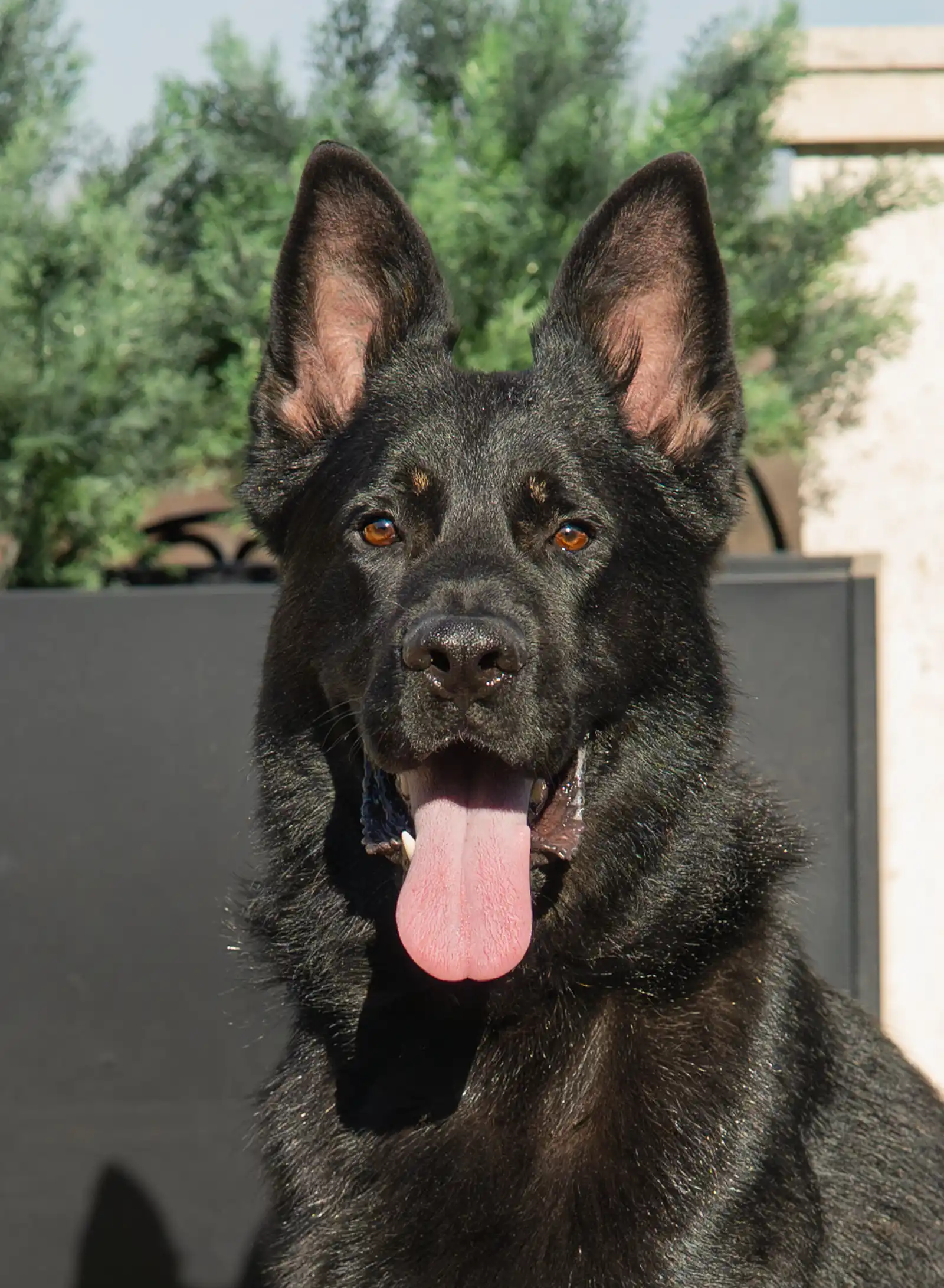
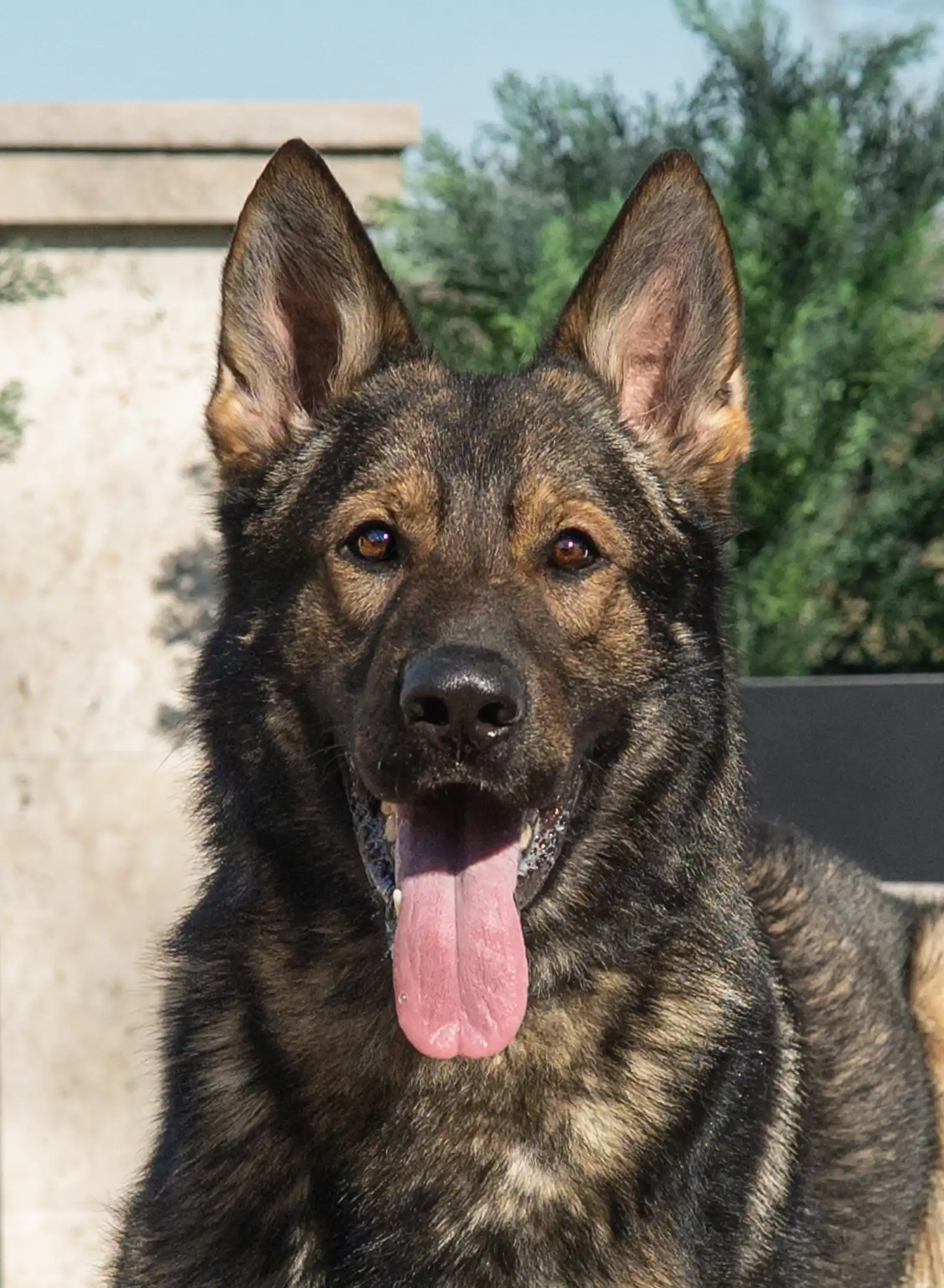
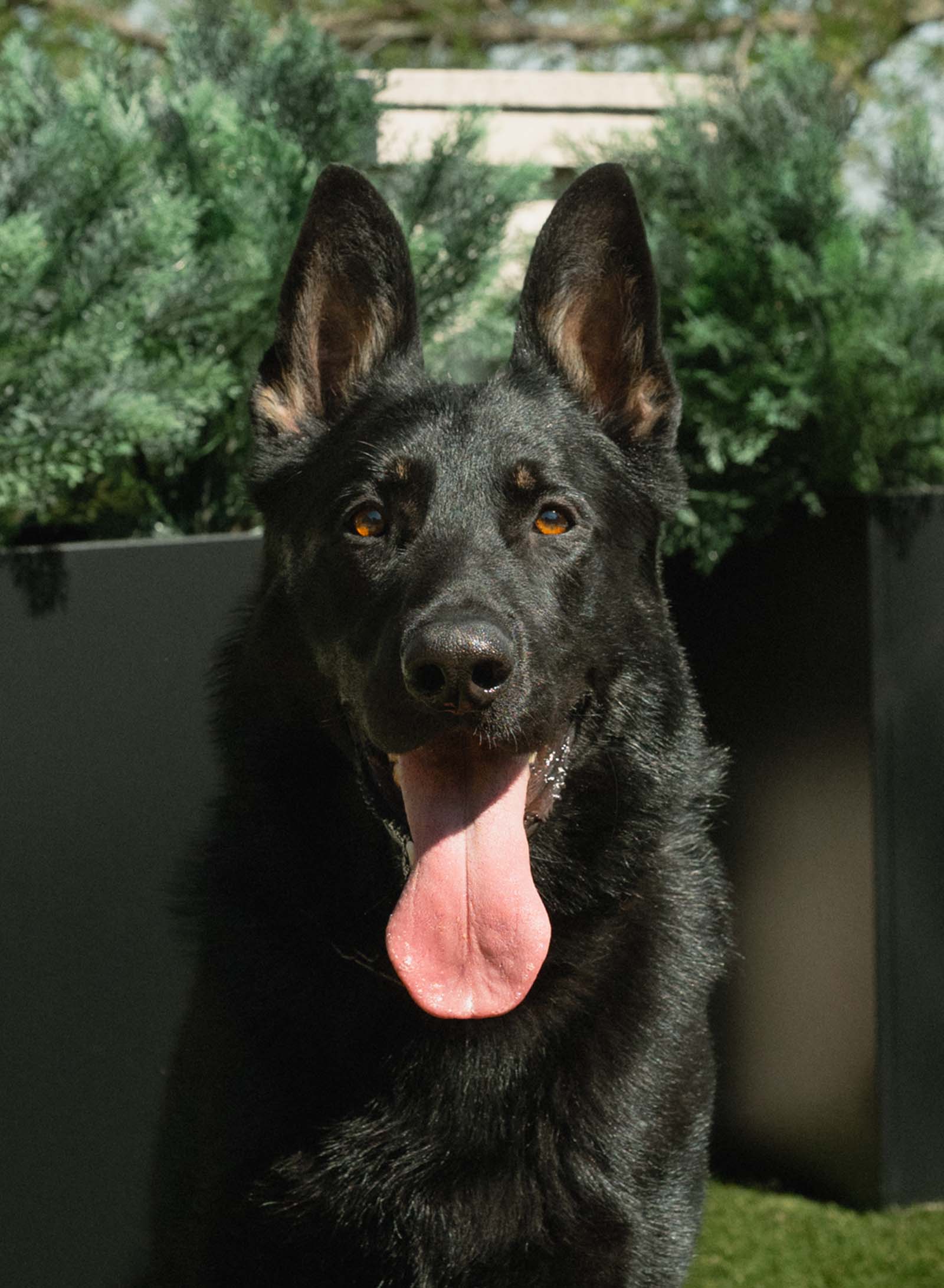
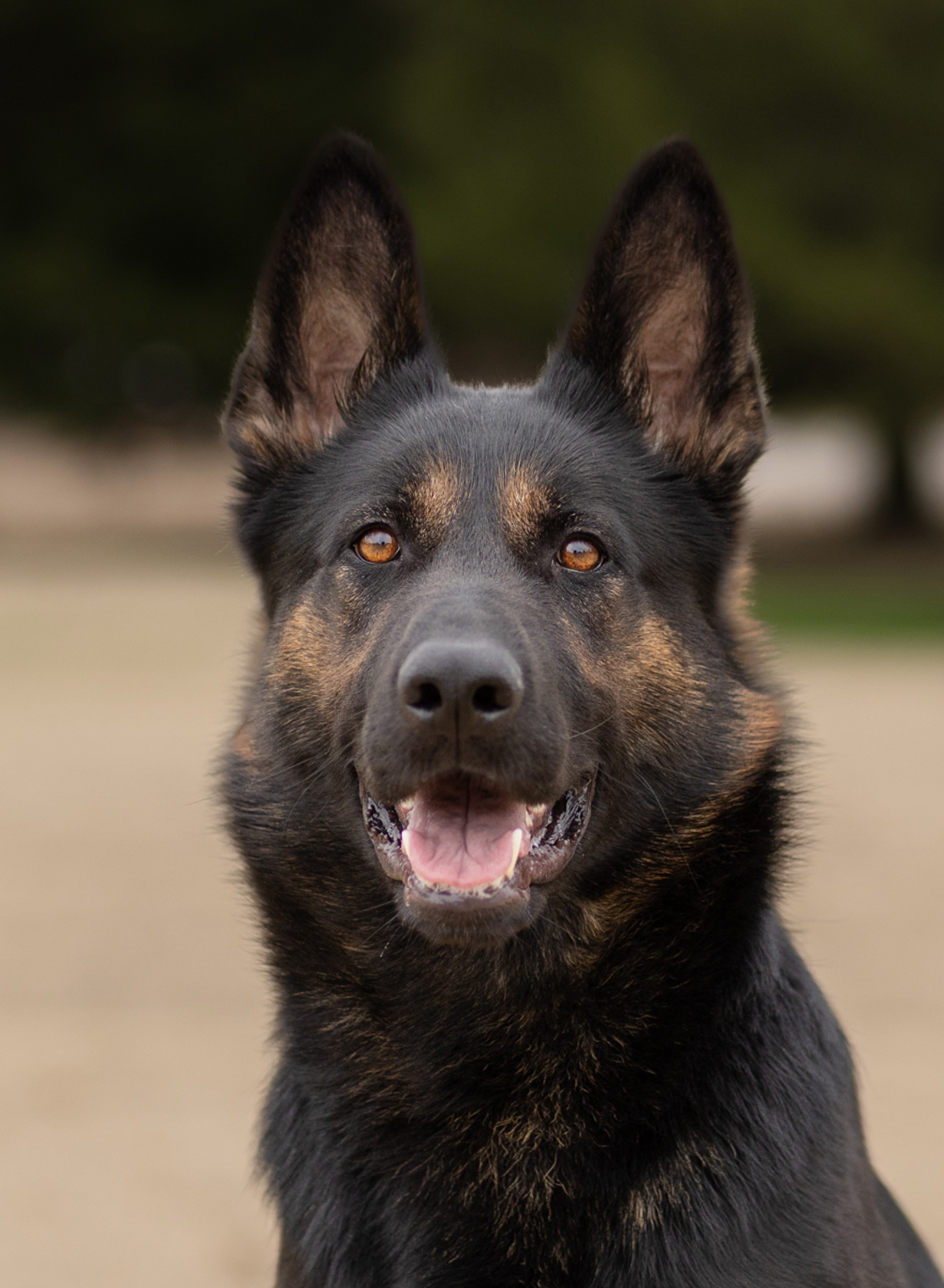
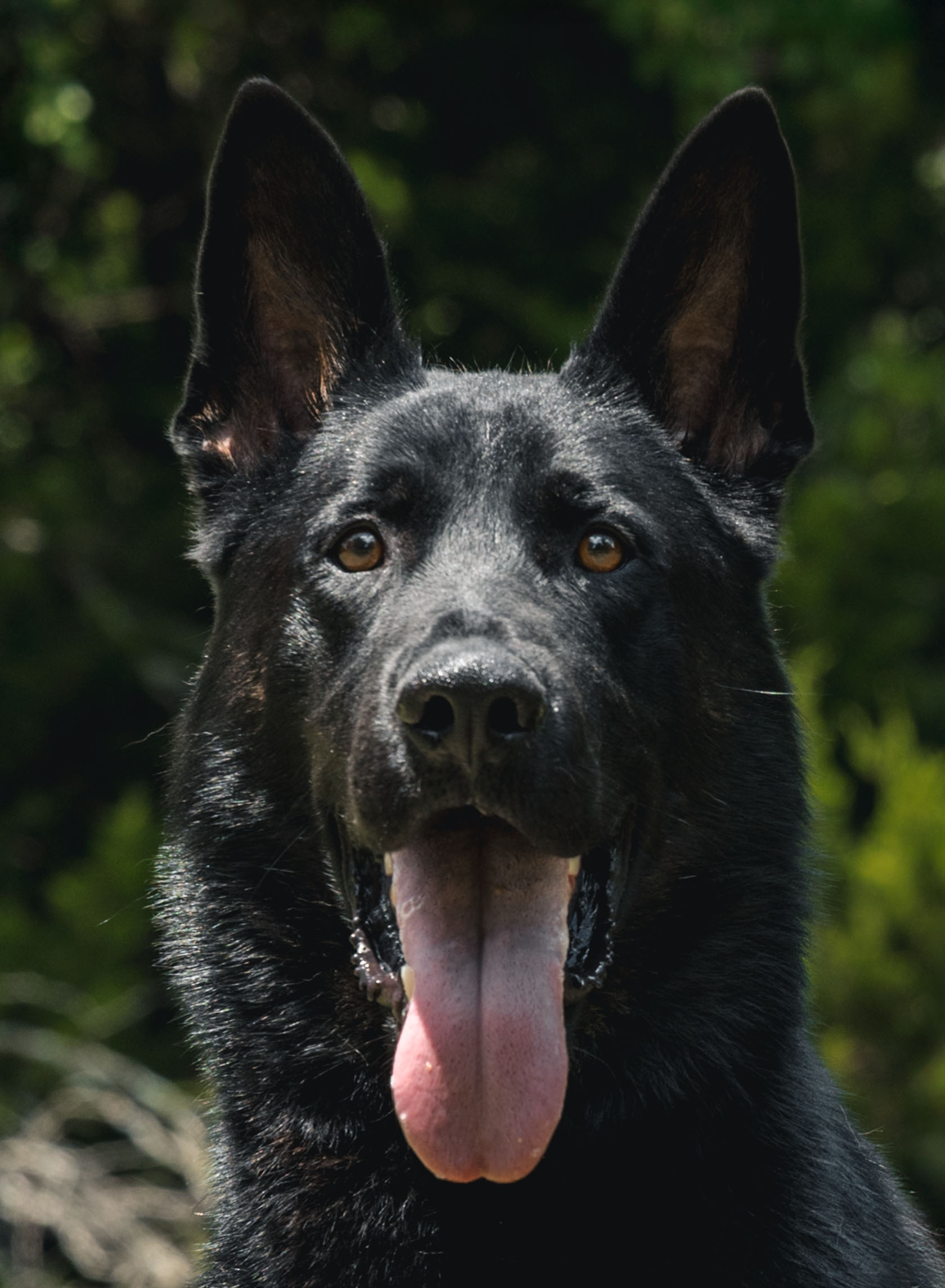
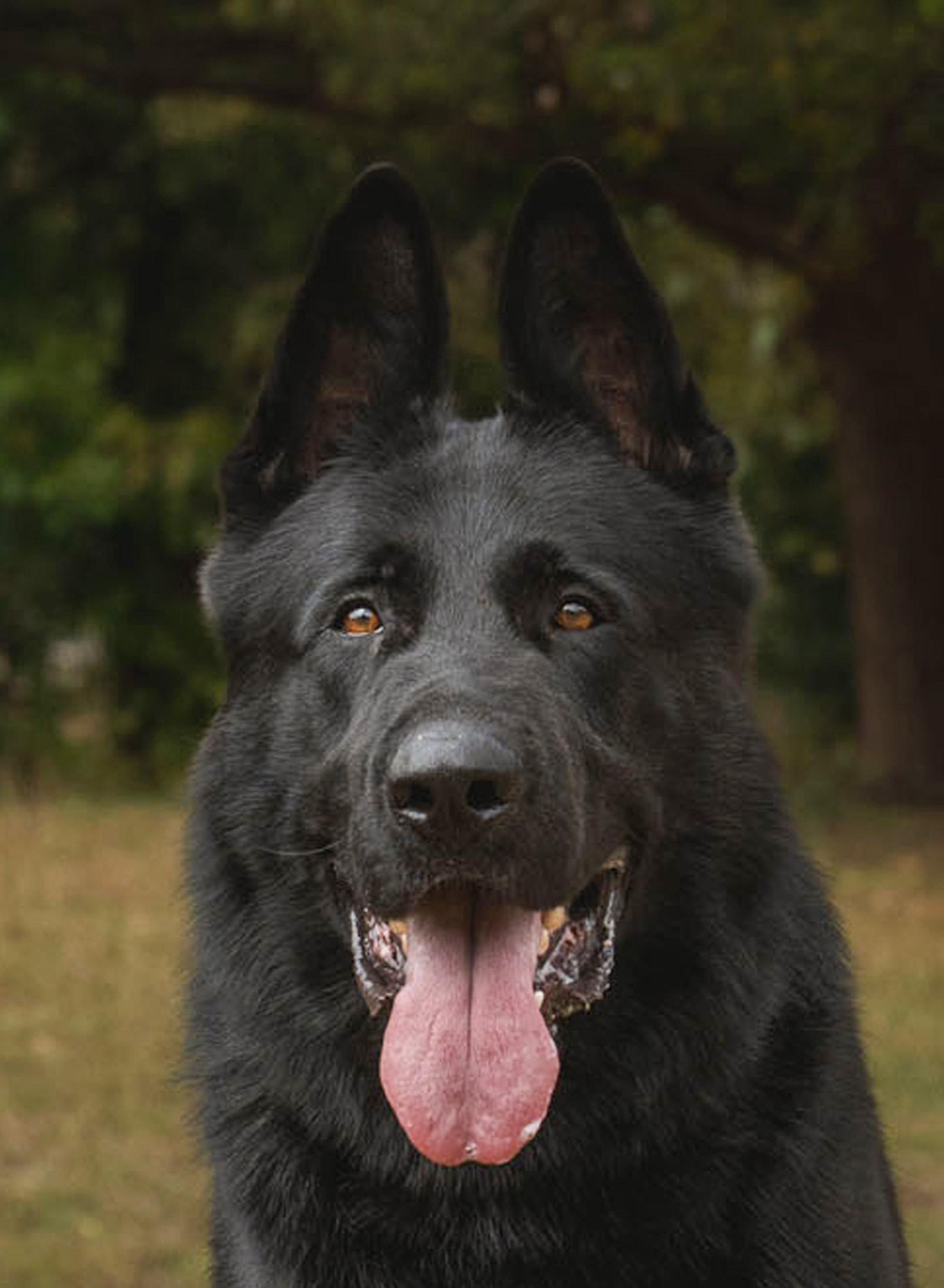
Every CPI dog has an individual energy, set of habits, and way of connecting with people. Availability changes, and some dogs are matched before they appear online. Review the dogs currently available, then speak with CPI about which one fits your household rather than choosing on appearance alone.
You do not need to know which breed or individual dog is right for your household before contacting CPI. The consultation is designed to understand your lifestyle, family, property, and expectations before suitable dogs are recommended.
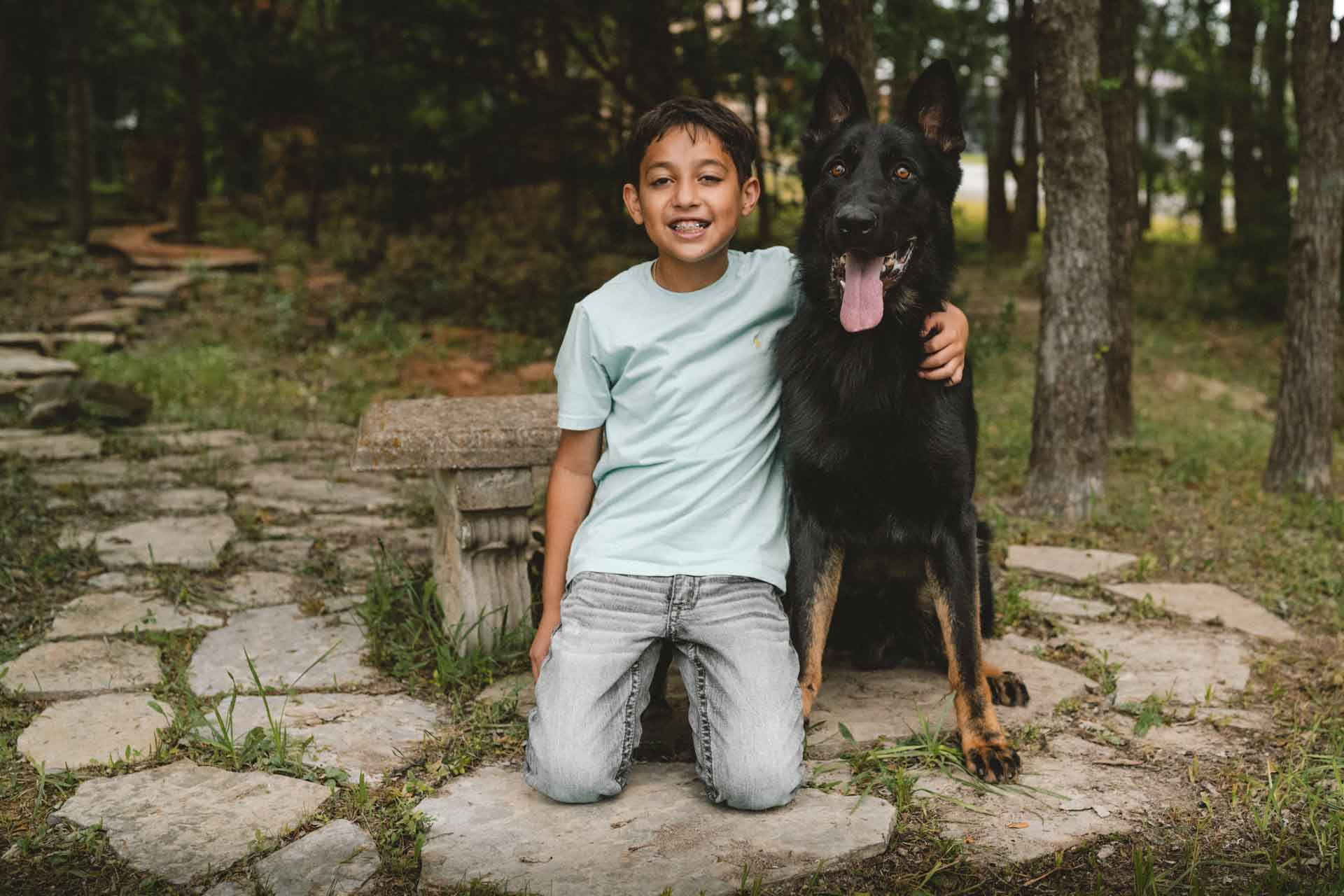
The right protection dog should not require the household to become quieter, less social, or more guarded. It should understand the difference between ordinary movement and a reason to respond, then remain available to the family without constantly asking for direction.
In Miami, that may mean standing calmly as an elevator door opens, moving through a lobby without pulling toward strangers, accepting a valet handoff, or remaining in place while a housekeeper, nanny, contractor, or delivery professional enters. It may mean settling near a home office, riding through school pickup, staying composed while children move between the house and pool, or lying close to the family while dinner guests remain late into the evening.
These moments are not separate from protection training. They reveal whether the dog can recover after stimulation, accept the family's decisions, and return to rest. Awareness without anxiety, affection without dependence, and strength without unnecessary intensity are what allow a protection dog to belong in a private home.
Miami families can move through several very different environments in one day. A dog may begin in a quiet residence, pass through a staffed lobby, ride in traffic, spend time at an office or school, return to a gated property, and travel again that evening. The dog should not need a different personality for each setting.
A residence in Brickell, Miami Beach, South of Fifth, Fisher Island, Bal Harbour, Aventura, or Sunny Isles Beach may place the dog close to neighbors, building staff, service professionals, other dogs, and unfamiliar people in elevators, corridors, garages, and valet areas. Those shared spaces leave little room for unnecessary intensity.
The appropriate dog should stay close to the handler, move out of the way when asked, accept normal proximity, and pass through the building without scanning every person or blocking movement. Presence matters, but the family must remain the source of every decision. Before placement, the client should also confirm the building or association rules that apply to the dog.
A home in Coral Gables, Gables Estates, Coconut Grove, Pinecrest, Key Biscayne, Golden Beach, or Indian Creek Village can introduce gates, garages, service entrances, pool areas, outdoor living spaces, grounds work, and people moving around different parts of the property. If marina or dock access is part of the family's life, that adds another transition the dog may need to understand.
More space does not mean the dog should have more authority to decide who belongs. An estate protection dog should add awareness and presence while remaining clear about the family's direction. The dog should be able to accept welcomed staff, hold a position while work is completed, recall away from an entrance, and settle when the property is quiet again.
Miami heat and humidity influence when families use outdoor space and how often the dog moves between the home, vehicle, shaded areas, and controlled indoor environments. The right dog should be able to settle for meaningful periods, load and unload without chaos, and recover after activity rather than carrying excessive energy into the residence.
Storm preparation can also change the household routine. Crates may be used more often. Vehicles may be loaded. Staff schedules change. The family may move to another residence or travel earlier than planned. CPI considers energy, maturity, recovery, crate comfort, vehicle behavior, and the family's actual routine when recommending a dog. The goal is not to choose a breed by climate alone. It is to choose an individual dog whose temperament and daily needs fit the way the household lives.
Learn how CPI develops control, household manners, and protection capability for real family life.

A polished demonstration does not tell you whether a dog is ready to live inside your home. Fully trained should describe how the dog behaves when nothing dramatic is happening, how clearly it follows direction, and how reliably protection capability can be started and stopped.
A CPI dog should be able to work, travel, greet, play, and then settle. Calm is not simply a dog lying down in a controlled video. It is the ability to lower energy around children, remain composed while guests are welcomed, rest through household movement, and recover when something exciting has ended.
The family should be able to direct the dog clearly without turning every interaction into a training session. The dog should respond to a clear command delivered in a normal tone, remain manageable for the people who will actually handle it, and understand that obedience still applies when the environment becomes busy.
Protection behavior should never leak into ordinary family life. The dog should remain social or neutral until the owner gives clear direction. When the exercise ends, the dog should disengage, return to control, and be able to settle rather than carrying conflict through the home.
Breed, color, and size can matter to a client, but they do not determine whether the dog belongs in the household. CPI looks at energy, confidence, social history, recovery, affection, handler sensitivity, maturity, manners, and protection capability as a whole. The right dog for a Pinecrest estate may not be the right dog for a Brickell high-rise, even when both dogs are equally capable.
CPI provides a private placement service rather than a catalog transaction. The dog, training, delivery, and instruction are considered together so the relationship can work after the demonstrations are over and the dog is simply part of the home.
For families, the central question is how the dog behaves around the people who matter most. CPI considers children's ages, household energy, guest patterns, other animals, experience with working dogs, and who will handle the dog day to day. Protection is meaningful only when the dog is also safe, affectionate, and understandable inside the family.
For larger properties, CPI considers gates, entrances, garages, staff movement, outdoor areas, delivery patterns, vehicles, and where the dog will spend time. The goal is not to make the dog suspicious of the property. It is to develop a clear, controlled presence that remains connected to the people who live there.
CPI places German Shepherds and Belgian Malinois, but the breed should follow the household requirements rather than lead them. Some clients want a dog with a quieter presence and a naturally affectionate rhythm. Others have the structure and experience for a more athletic dog. CPI recommends the individual dog, not the reputation of the breed.
CPI personally delivers its fully trained dogs. Delivery allows the trainer to introduce the dog to the residence and family, make appropriate adjustments, and teach the people who will handle the dog. In Miami, that may include building access, elevator or garage routines, household introductions, vehicles, property boundaries, and the areas where the dog is expected to settle.
Questions often appear after the household returns to its normal rhythm. CPI remains available to help clients understand behavior, refine handling, and respond as routines change. That continuing relationship is particularly important for families with multiple residences, evolving staff, frequent travel, or children whose role with the dog will grow over time.
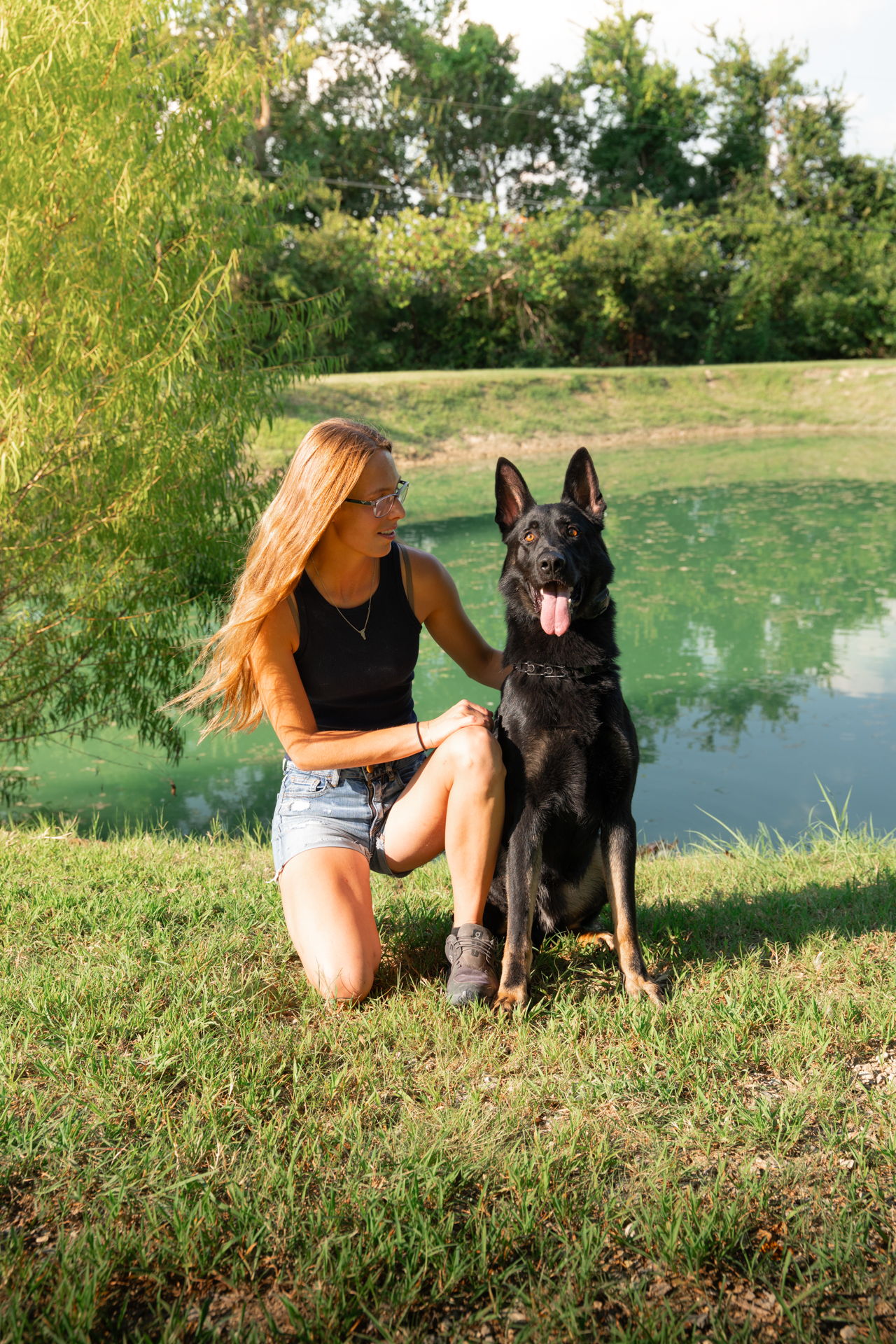

"We purchased 2 dogs from CPI (Brixton and Axel) both Germans. This company does a great job making sure the family & dogs are a good fit for each other and are always willing to help out with any issues or assistance that is needed with the dogs."
The placement process is designed to narrow the decision, not give the client more dogs to sort through. CPI begins with the household and then recommends the dogs whose temperament, history, and level of development make sense for that life.
CPI asks about the family, residence, property, children, other animals, staff, guests, travel, prior dog experience, security expectations, timing, and personal preferences. The conversation should be candid enough to rule out dogs that would not fit.
A Miami high-rise and a Pinecrest estate create different daily demands. CPI considers elevators, lobbies, gates, garages, vehicles, outdoor access, staff movement, guest frequency, and whether the dog will move between more than one residence.
CPI reviews social history, energy, maturity, affection, confidence, recovery, manners, obedience, protection capability, and behavior with different handlers. A dog is not recommended simply because the breed, size, or appearance matches the client's first preference.
Once a match is identified, CPI can emphasize the behaviors and scenarios that matter to the placement. Specialized needs should be discussed early. If the dog will regularly encounter a marina, private aircraft, unusual staff pattern, or another residence, CPI can determine what can be evaluated and prepared responsibly.
CPI personally delivers the dog, supports the first days in the home, provides instruction, and remains available as the relationship develops. The outcome should be a dog the family understands and can live with confidently, not a dog that only performs well for the trainer.
Canine Protection International operates out of a state-of-the-art, 2,400-square-foot facility on private grounds near Dallas, Texas. This environment allows us to personalize every dog’s training, ensuring they meet the highest standards of obedience and protection.
Our process begins in Europe, where dogs are hand-selected for their temperament, intelligence, and guarding instincts. Once they arrive at our facility, we focus on advanced training tailored to real-life scenarios. From family environments to high-stress situations, CPI dogs are prepared to excel in every setting.
Protection exercises show one part of the dog. They do not prove that the dog can share an elevator, pass a concierge desk, accept a housekeeper, settle through a dinner party, ride quietly, move through a gate, or live calmly when the family is home for an entire day.
Before CPI recommends a dog for Miami, the better question is whether the dog can remain recognizable across those transitions. The dog should not become more difficult simply because the setting is more public, more crowded, or more active. It should be able to notice, follow direction, and return to a calm state.
Some requirements can be evaluated before the match. Others are prepared after CPI understands the client's routine and then refined during delivery. The responsible answer is not that every dog can do everything. It is that the right dog can be selected and prepared for the specific life the client describes.
CPI is based in the Dallas area, with an office in Frisco, Texas. We do not represent a Miami storefront or training facility. Miami clients work directly with CPI through a private consultation, dog selection and preparation process, followed by personal delivery to the residence.
That delivery is not a ceremonial handoff. The trainer helps the dog understand the home and the people inside it, observes the transition, makes appropriate training adjustments, and provides handling instruction. For a condominium, the work may include the lobby, elevator, garage, and building staff. For an estate, it may include gates, entrances, property boundaries, vehicles, staff, and outdoor areas.
A trained dog can know many commands and still need a thoughtful transition into a new family. Personal delivery gives both the dog and the client a clear beginning. Current travel expenses, delivery terms, and included instruction should be confirmed during the consultation and in the written agreement.
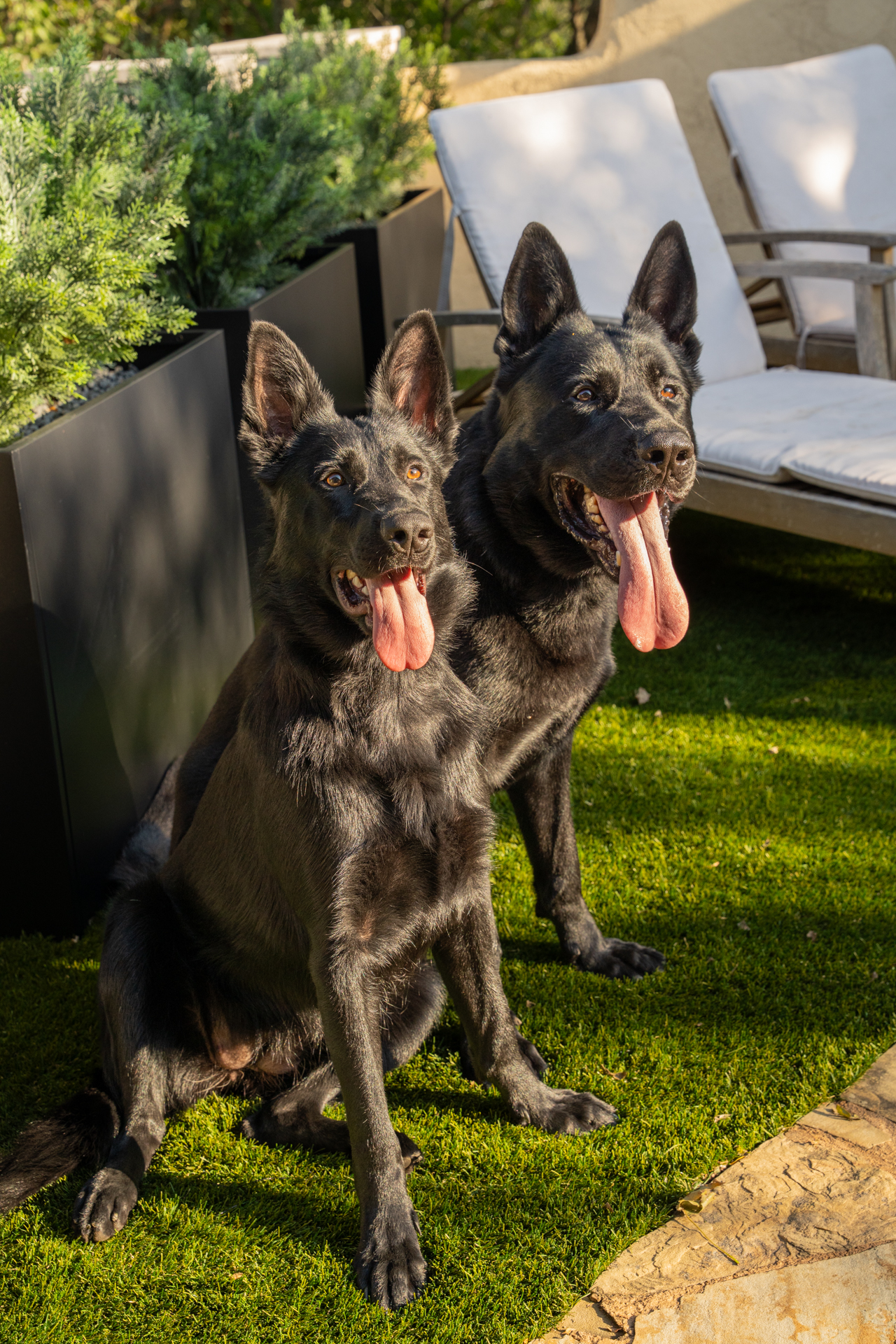
CPI serves private clients throughout Miami and Miami-Dade County through personal delivery. In central and south Miami-Dade, that includes Brickell, Coconut Grove, Coral Gables, Gables Estates, Pinecrest, Key Biscayne, and surrounding residential communities.
Along Miami Beach and the barrier communities, CPI serves Miami Beach, South of Fifth, Fisher Island, Palm, Hibiscus and Star Islands, Bal Harbour, Surfside, Indian Creek Village, Bay Harbor Islands, and nearby areas. In north Miami-Dade, service extends to Aventura, Sunny Isles Beach, Golden Beach, and surrounding communities.
CPI is based in Texas and personally delivers within the United States and to many international locations. The consultation will confirm the residence, timing, travel requirements, and current delivery terms before a placement moves forward.
The cost of a fully trained protection dog is tied to the individual dog and the placement, not simply the city or breed. Age, temperament, development, protection capability, customization, timing, and the needs of the household all influence the recommendation and price.
CPI will provide specific pricing after learning about the family and identifying suitable options. The conversation should also clarify what the current agreement includes, including dog selection, preparation, personal delivery, travel expenses, in-home instruction, continuing support, and the written terms that apply to the placement.
A private consultation is the appropriate place to discuss the investment because it allows CPI to explain the differences between dogs without reducing those differences to a price list.
Yes. Canine Protection International is based in the Dallas area, with an office in Frisco, Texas, and serves Miami through private matching, preparation, and personal delivery. CPI does not claim a Miami office or storefront. The consultation and written agreement should confirm current delivery timing, travel expenses, instruction, and support.
Potentially, but the individual dog and building environment must be considered. Elevators, lobbies, valet areas, neighbors, building staff, other dogs, limited outdoor access, and association rules can all affect suitability. CPI should know those details before recommending a dog, and the client is responsible for confirming the building's pet rules.
Climate should be part of the placement discussion, but it should not be reduced to breed alone. CPI considers the individual dog's energy, maturity, recovery, coat, ability to settle indoors, vehicle behavior, and the family's schedule. Outdoor activity, cooling, hydration, and veterinary guidance remain the owner's responsibility.
A family protection dog is developed to live safely inside the household, respond to the owner, remain neutral during normal activity, and use protection behavior only under clear control. A dog that reacts independently to territory or unfamiliar people may create more risk rather than less, especially in a social home or shared building.
The answer depends on the individual dog and the household. CPI considers children's ages, other animals, guest patterns, staff, service professionals, the family's experience, and the dog's social history before recommending a match. No responsible placement should rely on a blanket promise.
The process begins with a private consultation about the family, residence, shared spaces, property, routines, vehicles, travel, experience, and expectations. CPI then recommends dogs based on temperament, energy, social behavior, maturity, control, life history, and protection capability. Appearance and breed preference are considered, but they do not lead the decision.
CPI personally delivers the dog, helps with acclimation to the residence and family, makes appropriate training adjustments, and provides handling instruction. The work can include household introductions, building access, elevators, garages, vehicles, gates, property boundaries, and other routines relevant to the placement. Current travel expenses and delivery details should be confirmed during the consultation.
Pricing varies by the individual dog, level of development, customization, and placement needs. CPI provides specific pricing after learning about the household and identifying suitable options. The consultation should also clarify personal delivery, travel expenses, instruction, continuing support, and current written terms.
Describe an ordinary Tuesday in Miami and the other places the dog will know. Does the day begin in an elevator or through a private gate? Will the dog accept a concierge, housekeeper, nanny, contractor, or driver? Does it need to ride through school pickup, settle beside a home office, move between residences, spend time near a pool, or travel with the family? What level of affection, energy, and structure feels natural in your home?
Those details are how the right placement begins. CPI will help you determine whether a current dog fits or whether it is better to wait for one that does.
Canine Protection International: 5 Cowboys Way, Suite 300, Frisco, TX 75034 | (469) 653-1524
Personally delivering to Miami, Miami-Dade, and private clients worldwide.



.png)
