

A Scottsdale protection dog may live behind a private gate, move through a courtyard or pool area, watch service professionals arrive through different parts of the property, and then spend the hottest part of the day settled quietly inside with the family. The dog needs enough awareness to notice what changes, but enough control to let the family decide what matters.
Canine Protection International places fully trained family and estate protection dogs with private clients who want capability without unnecessary intensity. The dog should be able to accept authorized people, remain responsive at distance, travel calmly, and return to neutral when the situation is over.
CPI begins with the household rather than a breed preference. Family members, children, other animals, staff, gates, vehicles, outdoor areas, travel, activity, and protection expectations all influence which individual dog belongs in the home.
CPI is based in the Dallas area and serves Scottsdale clients through private consultation, individualized preparation, personal delivery, and continuing support.
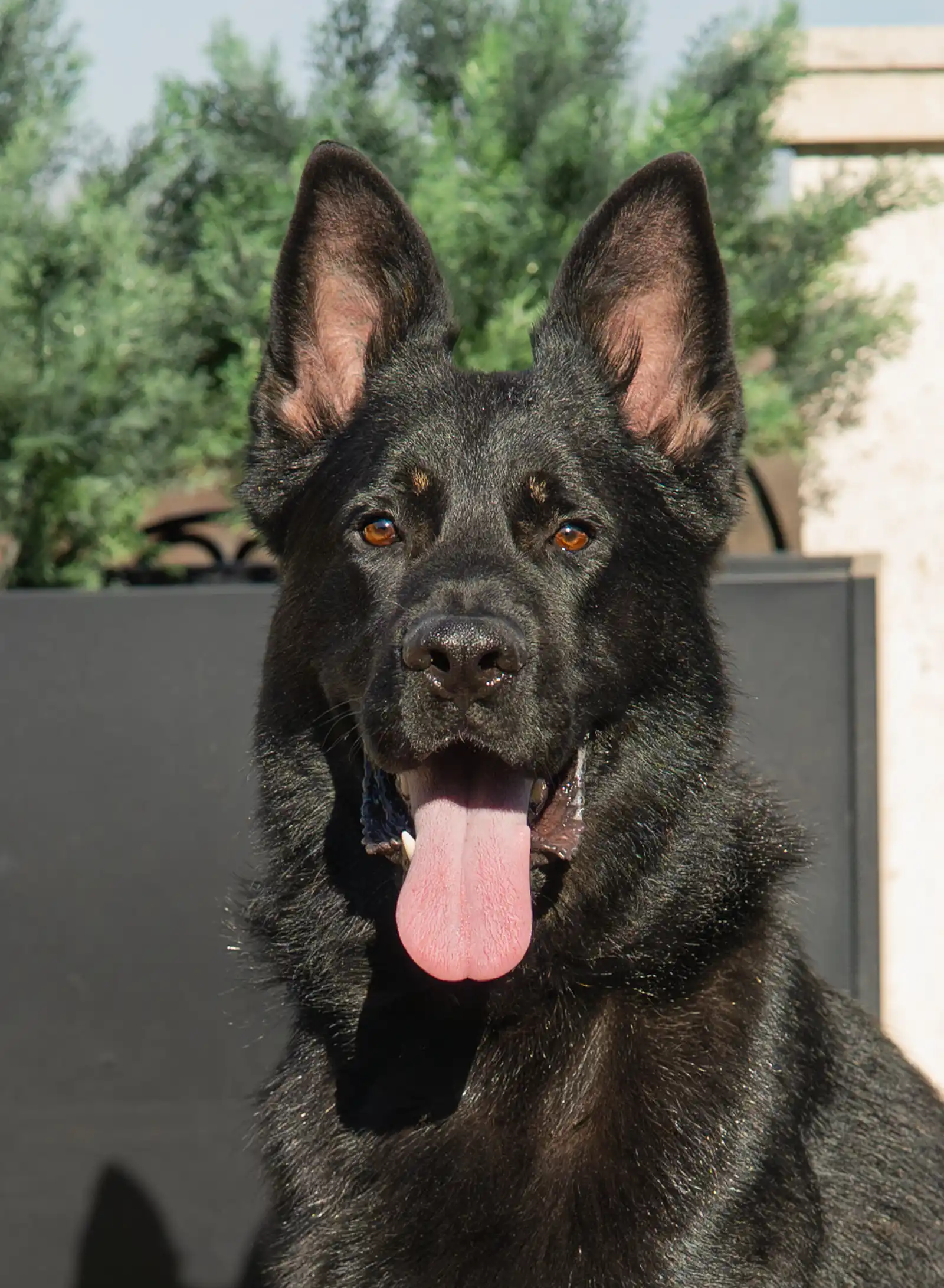
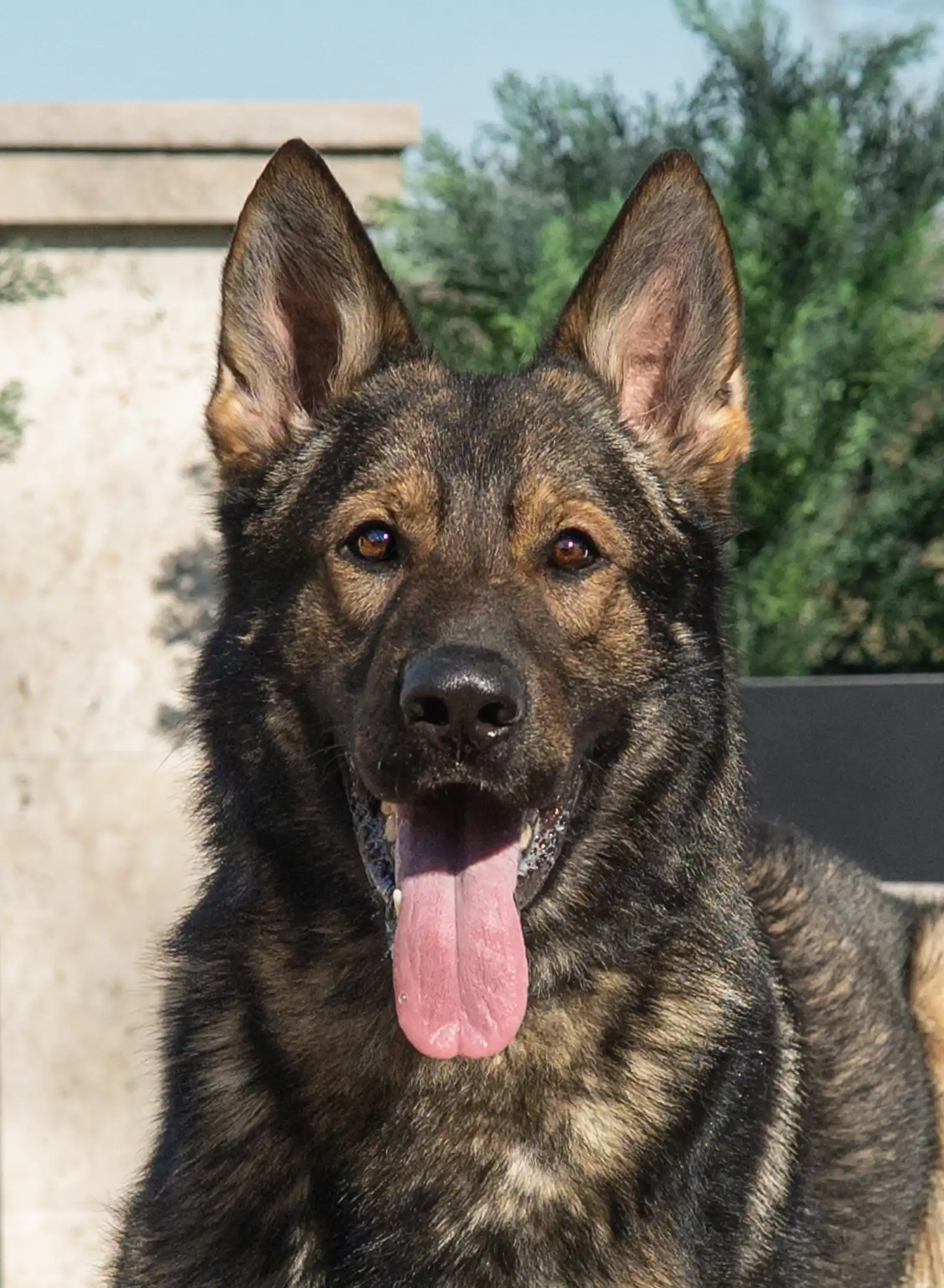
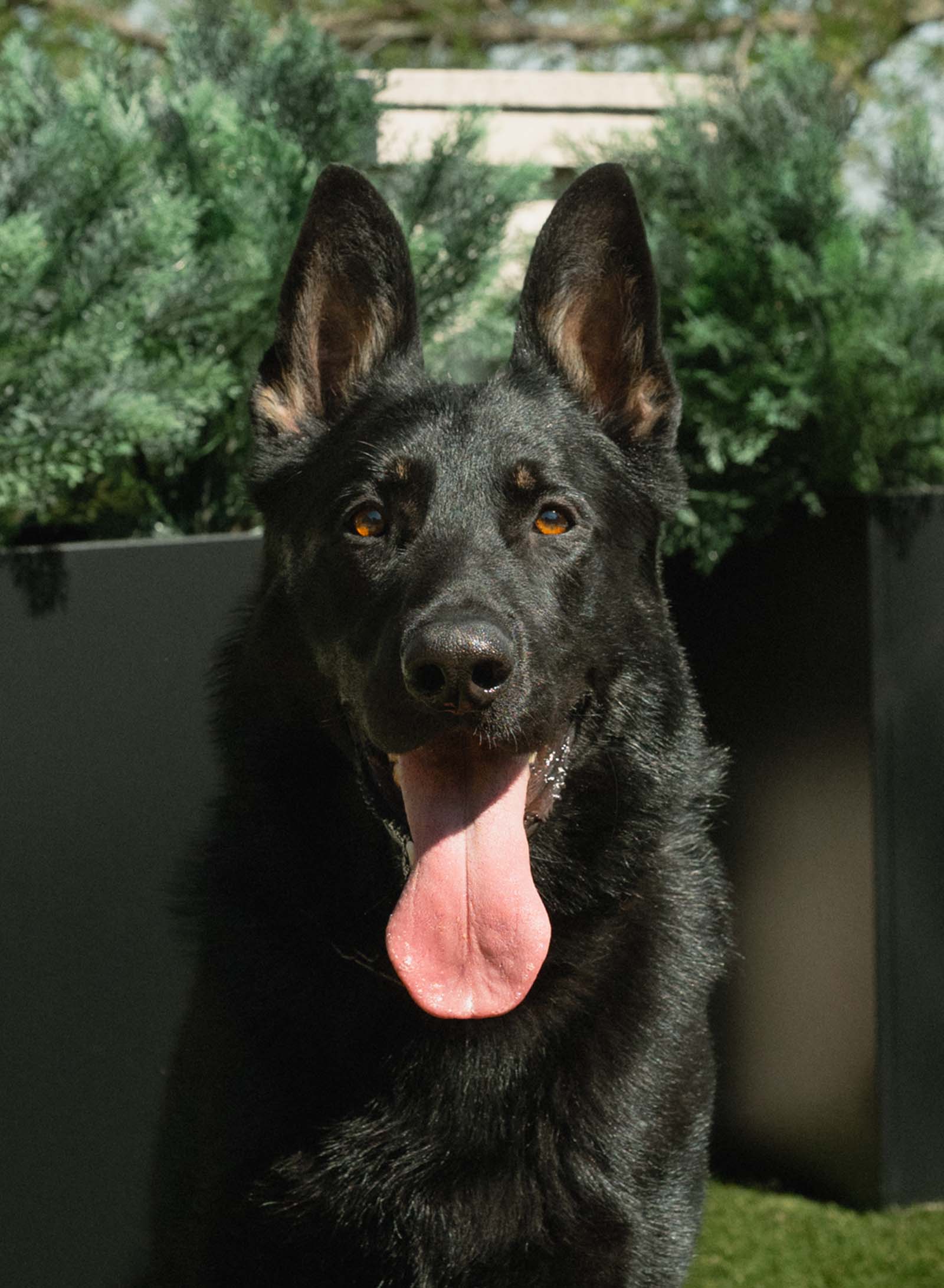
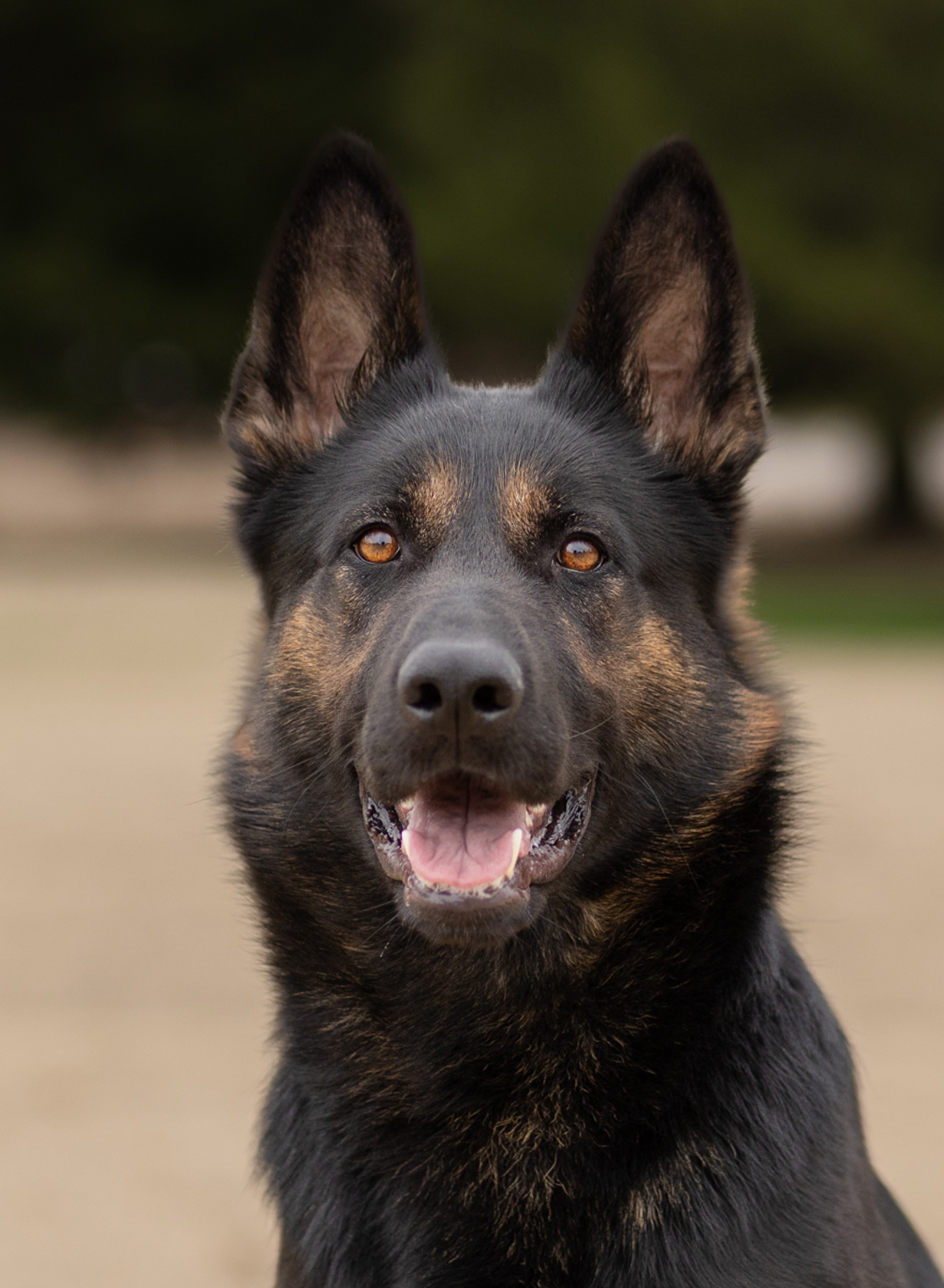
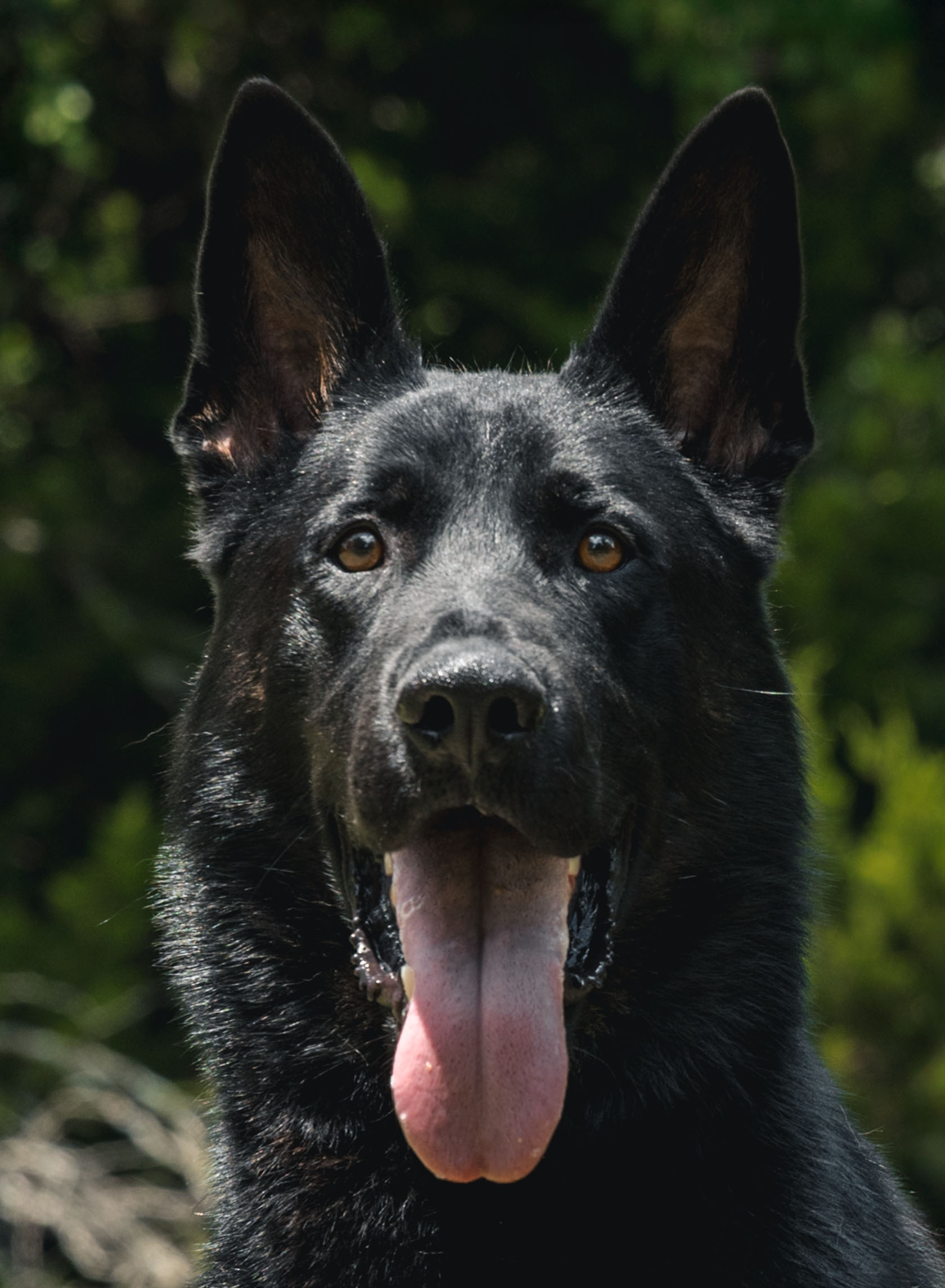
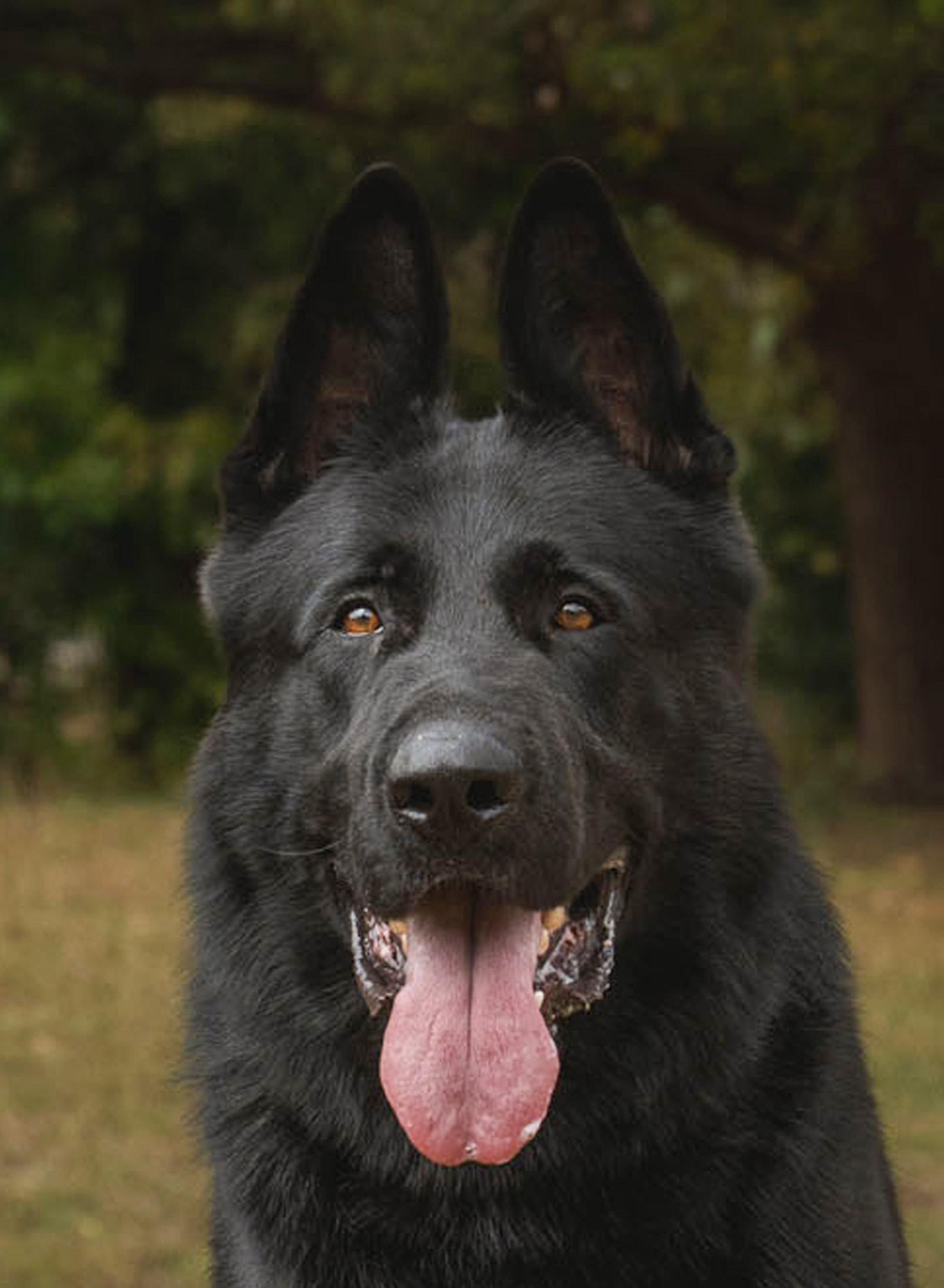
CPI develops a limited number of fully trained protection dogs at a time. The dogs shown here are the dogs currently being considered for placement. Availability changes as placements are completed and new dogs reach the appropriate stage of preparation.
A profile can help you begin to understand a dog, but it cannot tell you how that dog will feel inside your home. The right recommendation depends on temperament, energy, affection, control, protection capability, and the way those traits fit the life already taking place on the property.
No. You do not need to know which breed or individual dog is right for your household before contacting CPI. The consultation is designed to understand your lifestyle, family, property, staff, animals, travel, and expectations before suitable dogs are recommended.
CPI helps identify the right fit based on how the home actually works. In many cases, that means presenting one dog whose character and preparation make the recommendation clear rather than asking the family to sort through a long list of options.
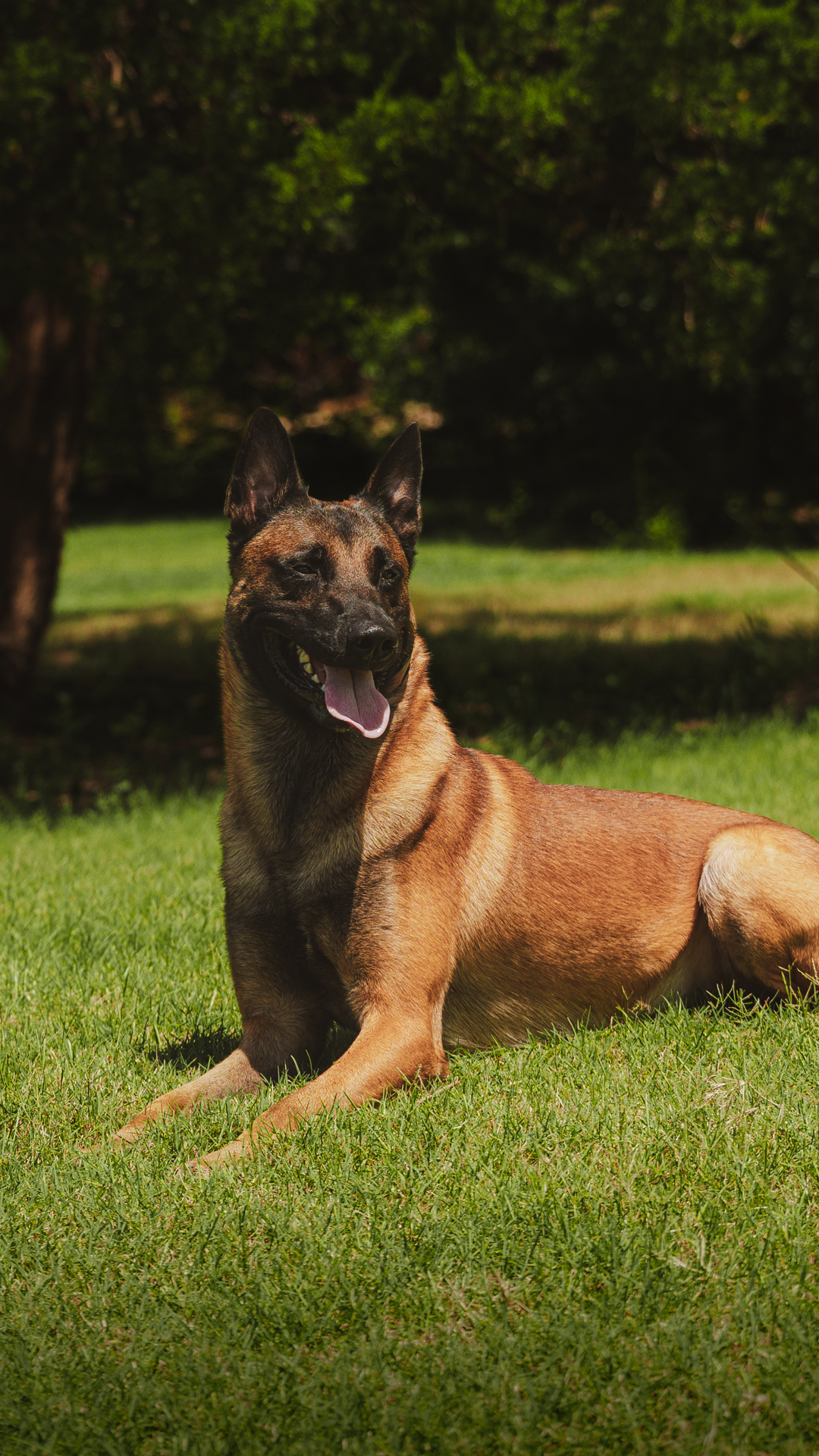
A large property can make a dog look impressive without proving that the dog is easy to live with. The more useful question is what happens when the side gate opens, a landscaper crosses the yard, children move from the house to the pool, or a guest arrives while the dog is resting nearby.
A refined protection dog should notice those changes without turning every movement into a confrontation. The dog can remain aware, stay connected to the handler, accept authorized access, and settle again without carrying tension through the rest of the household.
That recovery matters. Protection should have a clear beginning and a clear end. A dog that cannot release, refocus, or return to ordinary family life creates another responsibility for the household instead of reducing one.
For Scottsdale families, the strongest presence is often quiet. The dog is visible, attentive, and under control, but it does not need to patrol the property, challenge approved visitors, or perform intensity for the sake of appearance.
The layout of a Scottsdale residence can give a dog long sightlines, several entrances, and more distance from the family. Those features make handler connection more important, not less. The dog should understand that a wall, gate, driveway, courtyard, or guest house is part of the family environment, not territory it controls independently.
A staffed gate or long drive gives the family more information before someone reaches the residence. It should not give the dog permission to make its own decision. CPI prepares for controlled awareness, recall, and clear direction so the dog can remain composed as authorized people enter.
Scottsdale heat changes the household schedule. Outdoor activity may happen earlier, later, or in shorter periods, while more of the day takes place inside. A dog that can only settle after constant physical output may create friction in that routine.
CPI considers whether the dog can rest quietly, maintain manners when activity is limited, move calmly through garages and vehicles, and recover without becoming restless or demanding. Heat management remains an ownership and veterinary responsibility. The placement goal is a temperament that fits the routine rather than fights it.
Housekeepers, property managers, landscapers, pool service, contractors, drivers, and regular guests may each use different entrances and follow different schedules. CPI needs to understand who is authorized, how introductions should be handled, and which household member will give direction.
The dog should not become casual about strangers, but it should be able to accept familiar, approved movement without escalating. That distinction comes from temperament, training, repetition, and clear handling.
Some Scottsdale clients move between residences or travel regularly. When that is part of the household, CPI considers vehicle behavior, new rooms, staff at other properties, changes in routine, and who may handle the dog. The setting can change without changing the dog’s relationship to the family.
The objective is not a different set of rules for every property. It is a dog whose control, affection, awareness, and ability to settle remain recognizable wherever the family is living.

A fully trained protection dog should not require the family to choose between affection and capability. The dog should be safe to live with, responsive in ordinary situations, and able to protect when given clear direction.
The dog should be comfortable in the residence, vehicle, garage, courtyard, office, and public settings the family expects to use. Stability is shown by how little management the dog needs when nothing is wrong.
The handler should be able to give a command in a normal tone and expect a prompt response. Reliable control should not depend on repeated negotiation, physical struggle, or the dog deciding whether the instruction is worth following.
Capability matters, but control defines whether that capability belongs in a family home. The dog must engage when appropriate, remain connected to the handler, release when instructed, and return to a stable state.
Breed, size, color, and appearance may shape a family’s first impression. Temperament determines whether the dog will remain affectionate, confident, socially appropriate, and manageable over time. CPI recommends the individual dog, not a category.
CPI does not treat a Scottsdale placement as a standard dog plus a delivery address. The service is built around the relationship between the dog, the people, the property, and the way the household moves through daily life.
For a family residence, CPI evaluates affection, energy, social behavior, children, other animals, guests, public manners, travel, and the level of protection expected. The dog should become part of the household without becoming the center of every decision.
For a larger property, CPI also studies entrances, gates, walls, guest spaces, staff routes, vehicle approaches, outdoor areas, distance, and the person or people who will handle the dog. More property requires more clarity, not more independence.
CPI can prepare appropriate details before delivery or at the residence. Those details may include rooms the dog should not enter, vehicle position, behavior around another family animal, office routines, household boundaries, and other expectations that reduce friction after placement.
CPI personally delivers its fully trained family and estate protection dogs, acclimates the dog to the home and family, provides handling instruction, and customizes appropriate details during the transition. Delivery labor is included. Airfare, lodging, and vehicle expenses are the client’s responsibility.
The delivery is where training becomes the family’s routine. Commands are practiced in the residence, around the property, and in the situations that matter to the household.
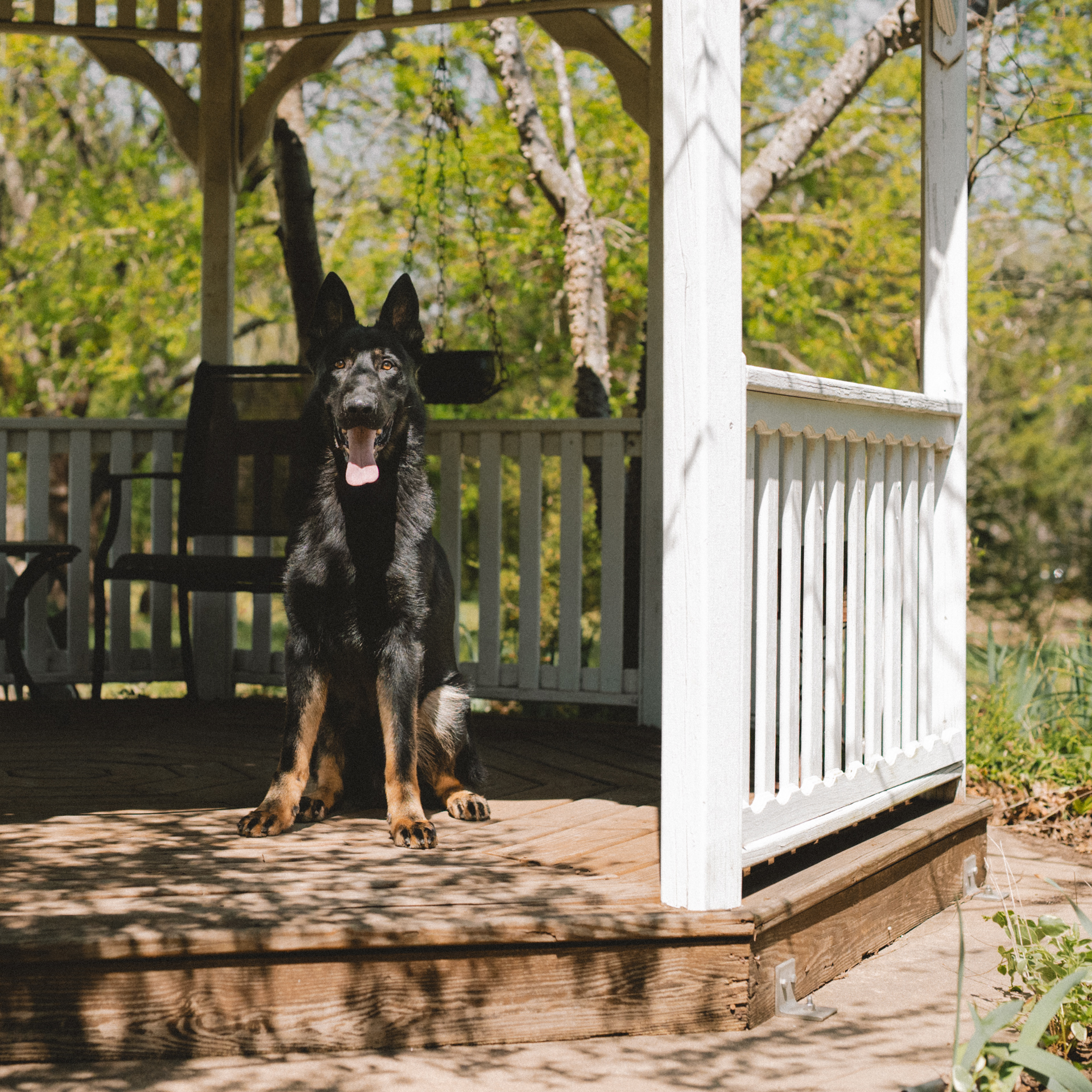

"We purchased 2 dogs from CPI (Brixton and Axel) both Germans. This company does a great job making sure the family & dogs are a good fit for each other and are always willing to help out with any issues or assistance that is needed with the dogs."
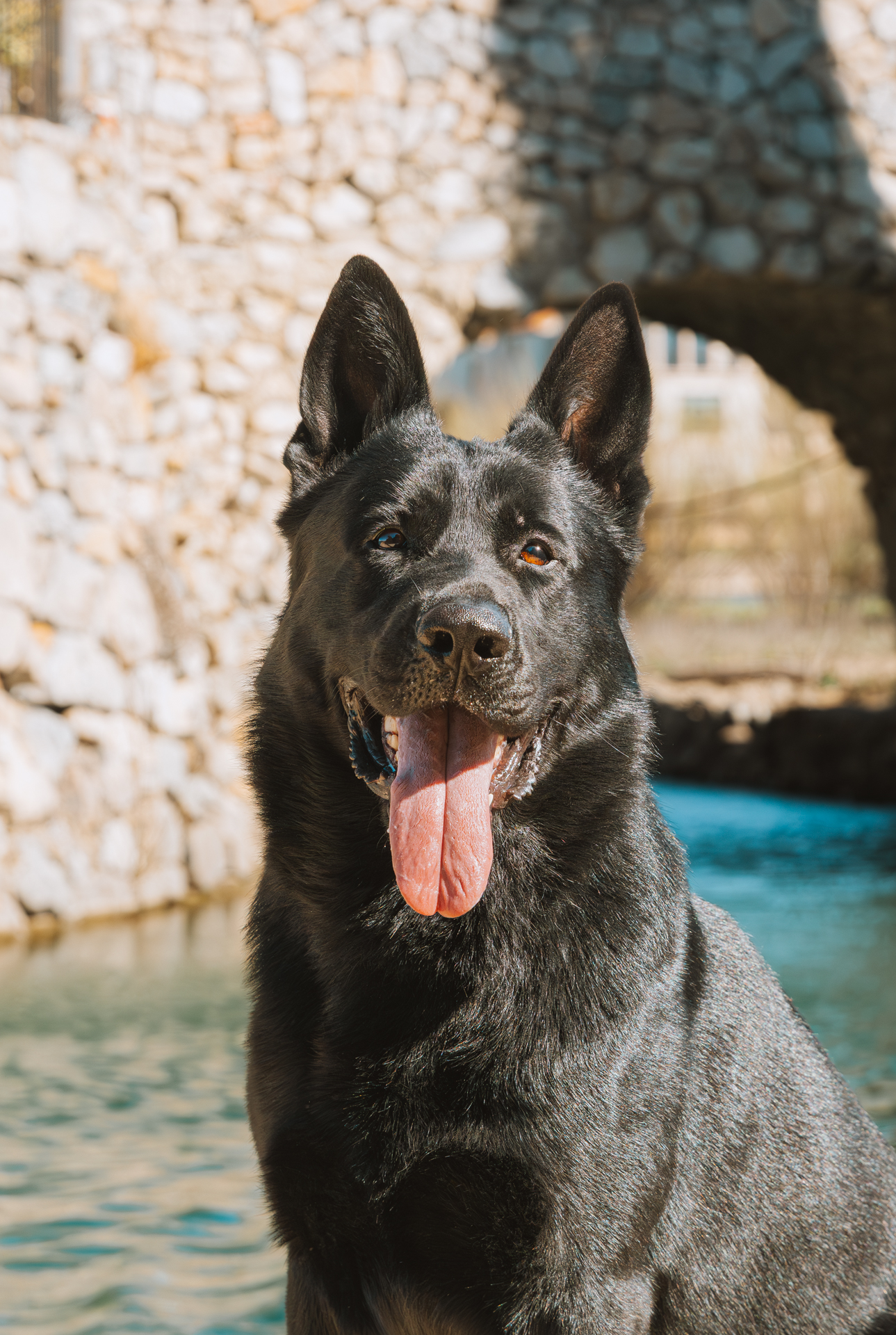
The first conversation is about the household, not a sales list. CPI asks who lives in the home, how the family spends its time, where the dog will go, what the property is like, which animals are already present, who enters regularly, and what the family expects from protection.
CPI identifies the dog whose temperament, energy, size, social character, control, and protection capability best fit the requirements. The recommendation may be one dog or, when useful, a small number of carefully selected options.
Training continues around the details that will matter after placement. The objective is to reduce friction before the dog arrives rather than asking the family to reshape its life around the dog.
CPI brings the dog to the client, introduces the dog to the home and family, teaches the handling system, and works through the routines and environments that will become part of daily life.
Questions often become more specific after the dog has lived in the household. CPI remains available to help the family protect the clarity, consistency, and confidence established during delivery.
Canine Protection International operates out of a state-of-the-art, 2,400-square-foot facility on private grounds near Dallas, Texas. This environment allows us to personalize every dog’s training, ensuring they meet the highest standards of obedience and protection.
Our process begins in Europe, where dogs are hand-selected for their temperament, intelligence, and guarding instincts. Once they arrive at our facility, we focus on advanced training tailored to real-life scenarios. From family environments to high-stress situations, CPI dogs are prepared to excel in every setting.
The price of a fully trained CPI protection dog reflects the individual dog, the depth of preparation, the protection capability, and the requirements of the placement. It is not a local delivery fee attached to a standardized product.
The consultation is the appropriate place to discuss current dogs, expected investment, timing, travel, and any additional preparation the household may require. CPI includes the labor for personal delivery with its fully trained family and estate protection dogs. The client is responsible for related airfare, lodging, and vehicle expenses.
A family should understand not only what the dog can do, but also who selected the dog, who prepared it, who will deliver it, and who will answer after the placement is complete.
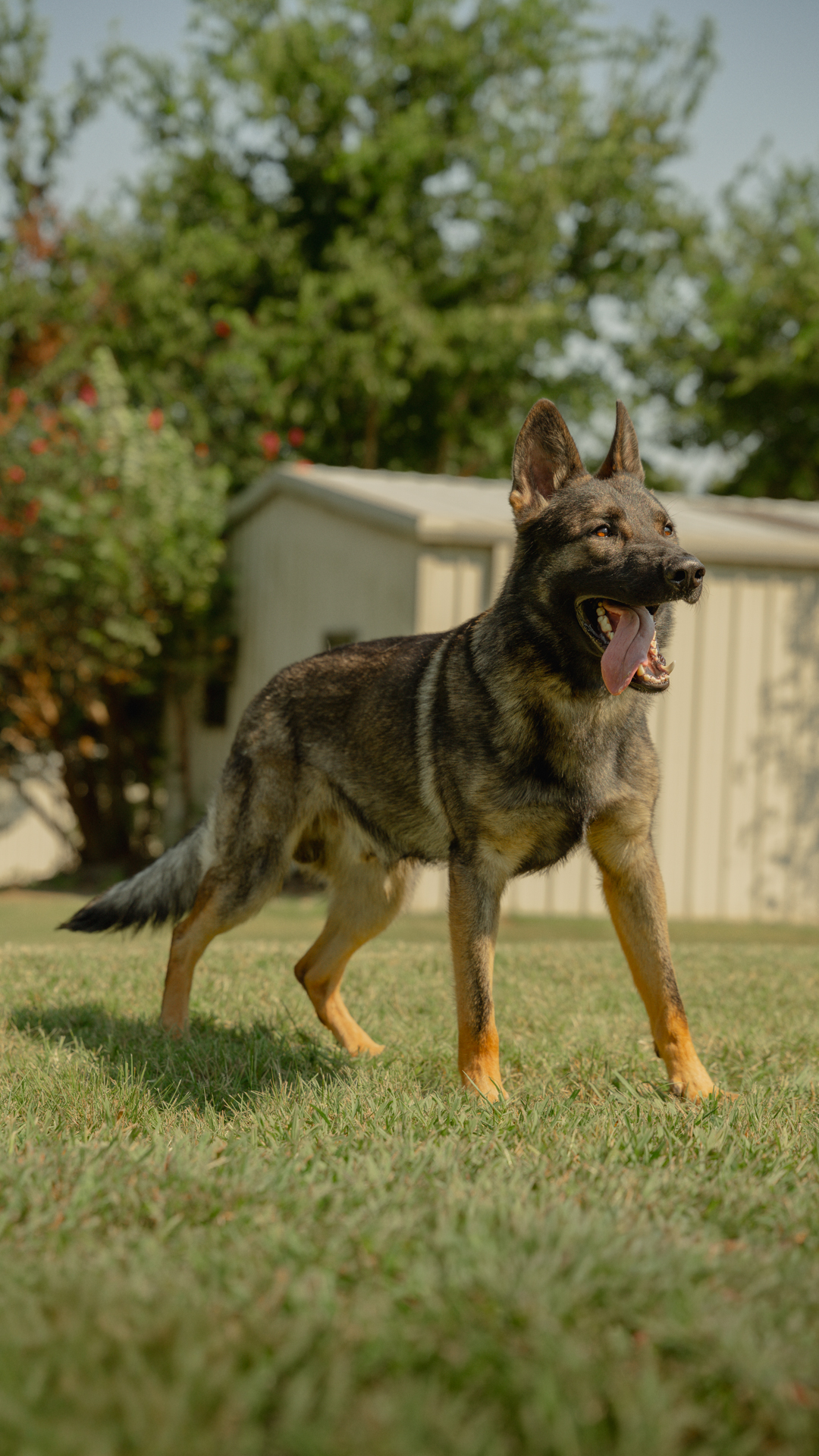
The most useful proof is behavior that can be repeated in front of the family. A dog should be able to notice movement at a gate without losing connection, recall away from a boundary, accept an authorized person, settle indoors, travel without unnecessary agitation, respond promptly, and return to neutral after protection work.
Those moments reveal more than a dramatic training clip. They show whether protection capability is supported by temperament, judgment, obedience, recovery, and trust in the handler.
Until a verified Scottsdale or Arizona client story is available, the most honest proof is the behavior and process a family can evaluate directly: the dog's stability, responsiveness, recovery, and the care taken during recommendation and personal delivery.
CPI serves Scottsdale and nearby private clients through consultation, individualized preparation, and personal delivery. The service area includes different kinds of residences, from established Scottsdale homes to gated desert estates and properties near the foothills.
North Scottsdale communities may include DC Ranch, Silverleaf, Desert Mountain, Troon North, Troon Village, Estancia, and Pinnacle Peak. Established Scottsdale areas may include Gainey Ranch and McCormick Ranch. Nearby placements may also serve Paradise Valley, Fountain Hills, Carefree, Cave Creek, Arcadia, Biltmore, and surrounding communities.
The neighborhood name is less important than the household reality. CPI needs to understand access, family, animals, staff, vehicles, travel, outdoor routines, and protection expectations at the actual residence.
A Scottsdale residence may offer privacy, space, views, and a steady flow of people who belong there. The right protection dog should make that life feel more secure without acting as though the property belongs to it.
Tell CPI who lives in the home, which animals are present, where staff and service professionals enter, how the indoor and outdoor spaces are used, how travel affects the routine, and what kind of relationship the family wants with the dog. Those details reveal far more than a breed preference.
The placement begins with a private consultation. CPI then recommends the dog whose temperament, control, affection, and capability fit the life already taking place in the home.



.png)
