

A protection dog in Los Angeles may begin the morning behind a private gate, ride through city traffic, wait near a curb or valet area, settle in an office, and return to a home where children, staff, guests, and service professionals move through different entrances. The dog should not become a different animal every time the setting changes.
Canine Protection International places fully trained family and estate protection dogs with private clients who expect real protection capability without making daily life feel guarded or theatrical. The dog should notice what changes, remain responsive to the family, and relax when the moment is ordinary.
The process begins with the household. CPI learns how the family lives, where the dog will go, who regularly enters the property, which animals are already present, and what kind of affection, energy, presence, and control will feel natural before recommending a dog.
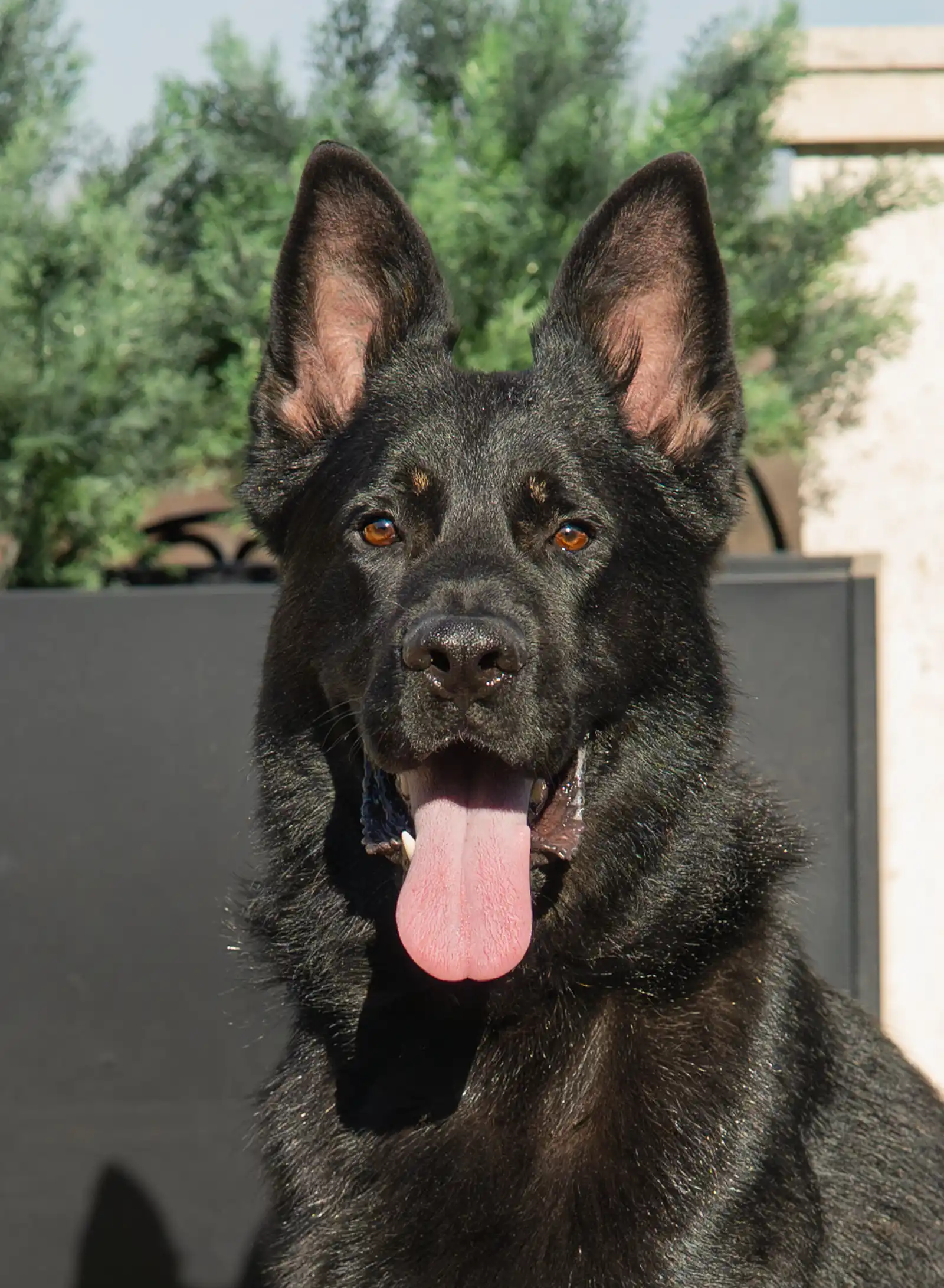
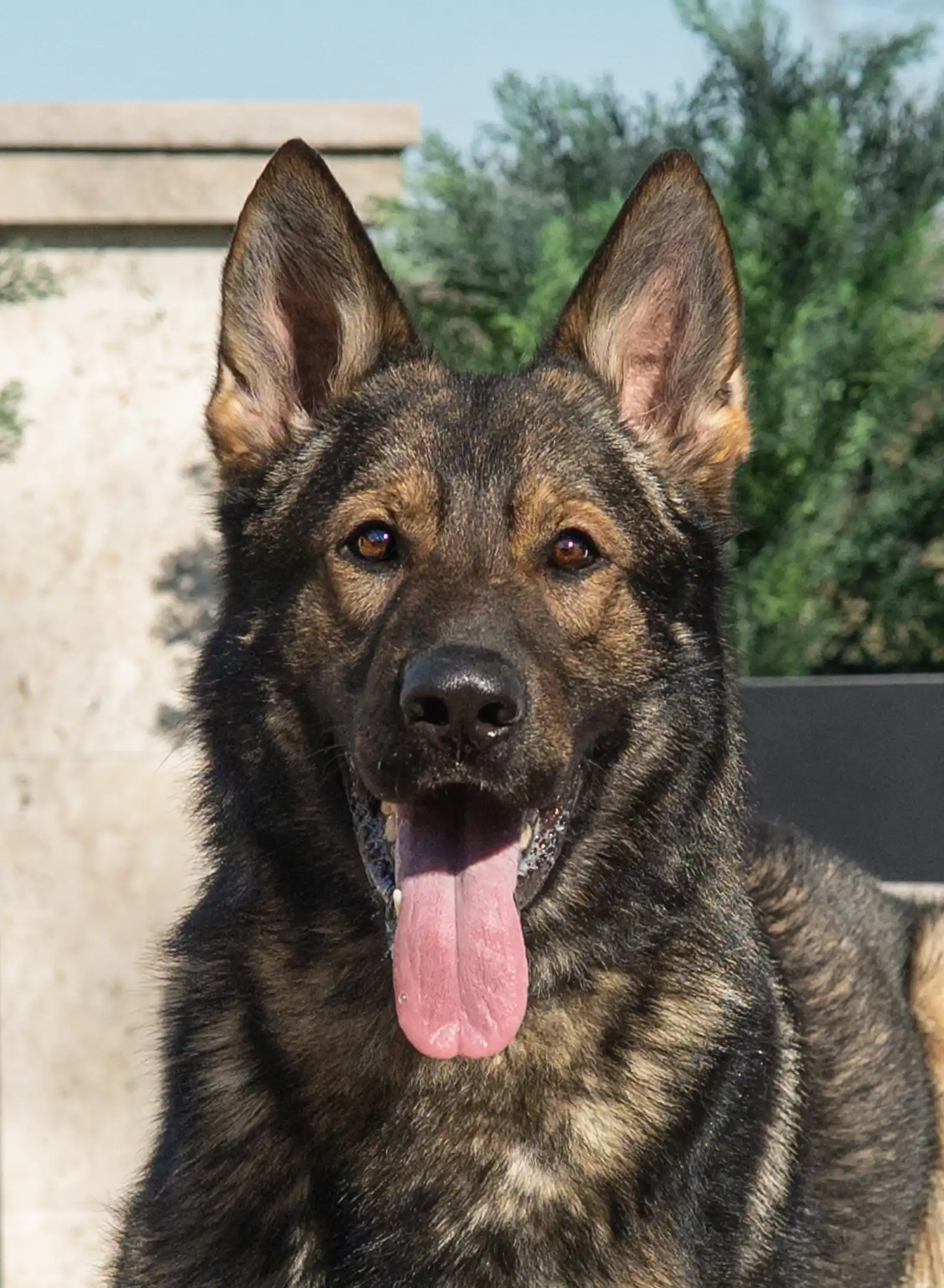
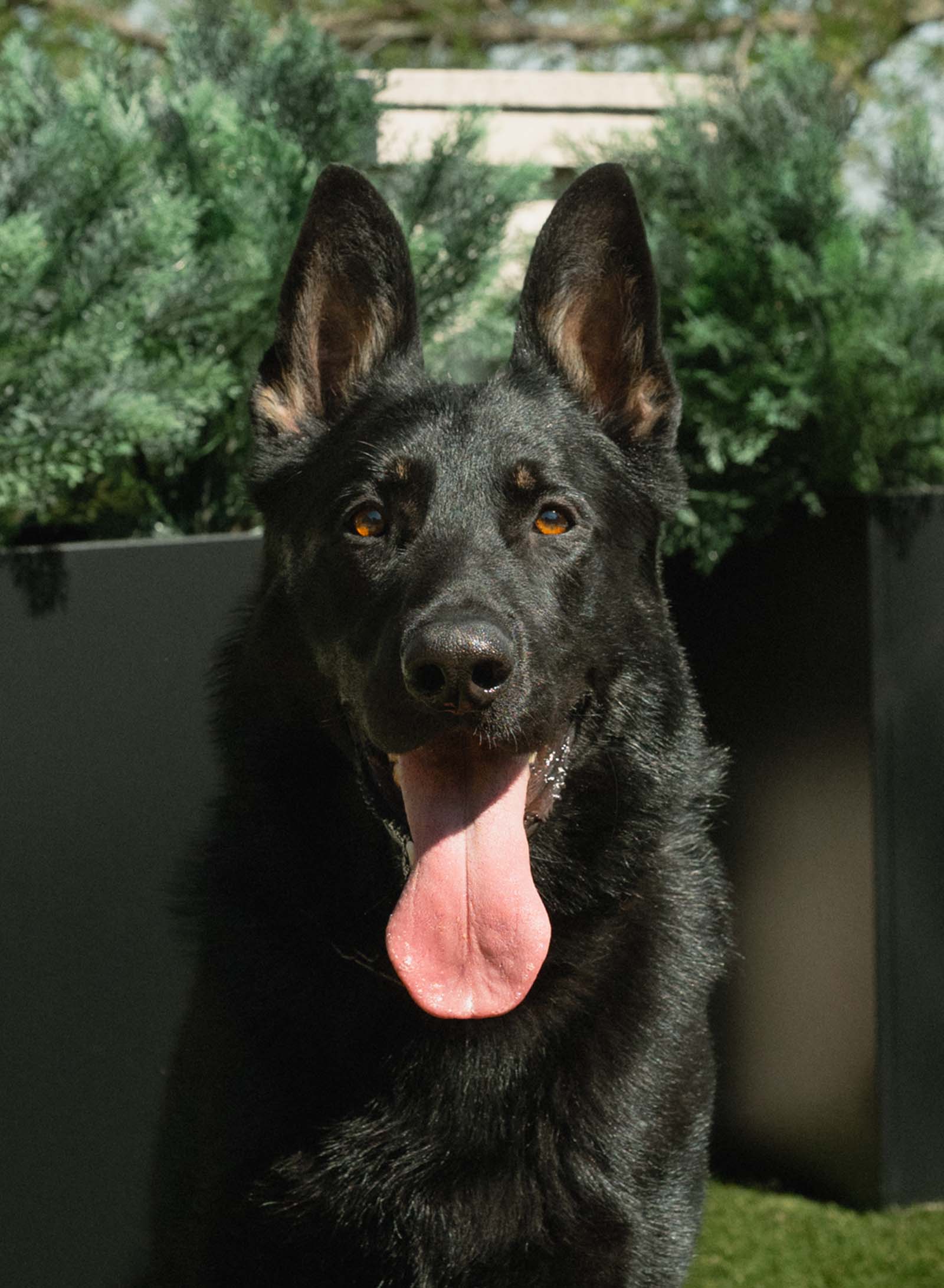
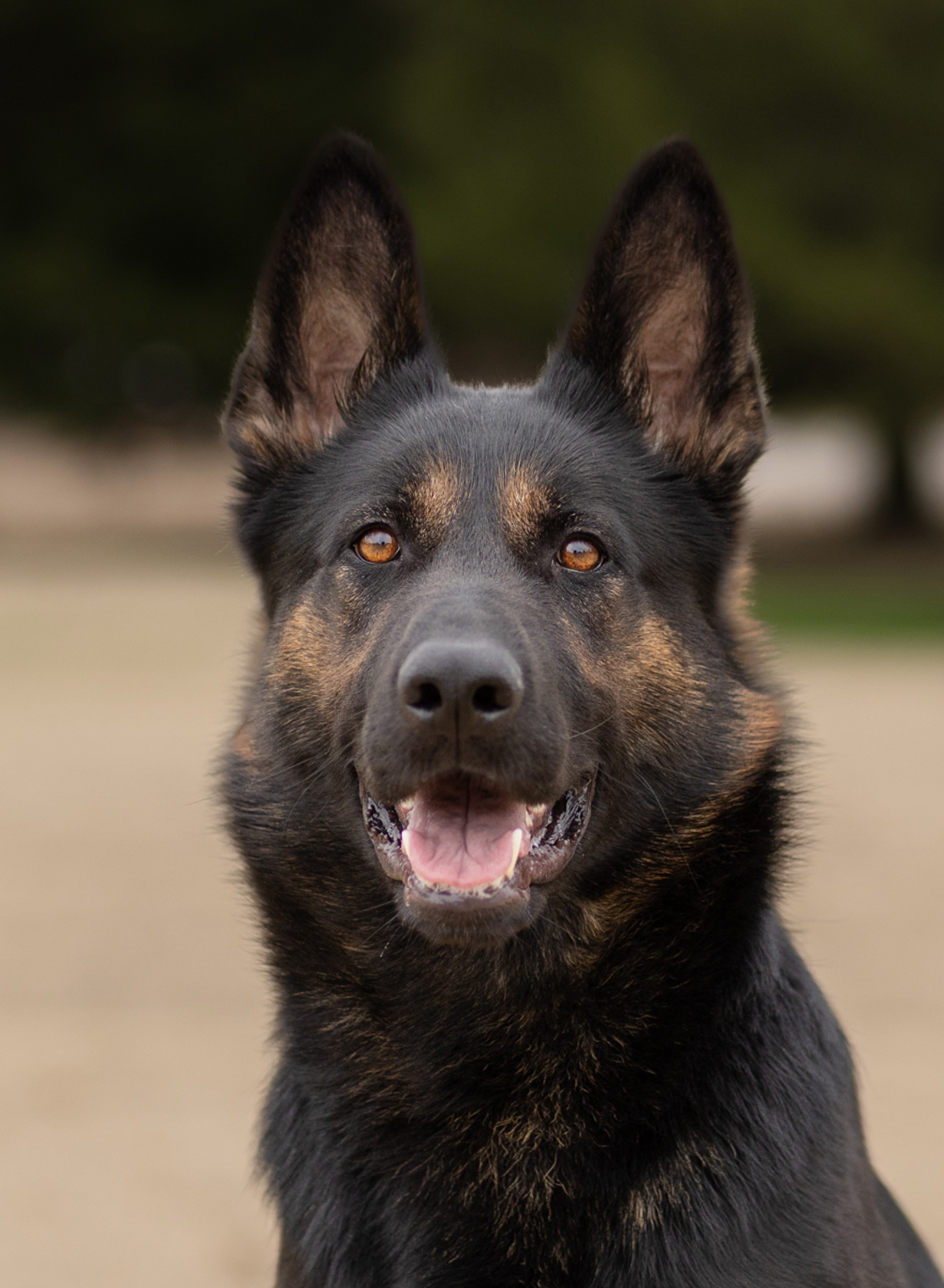
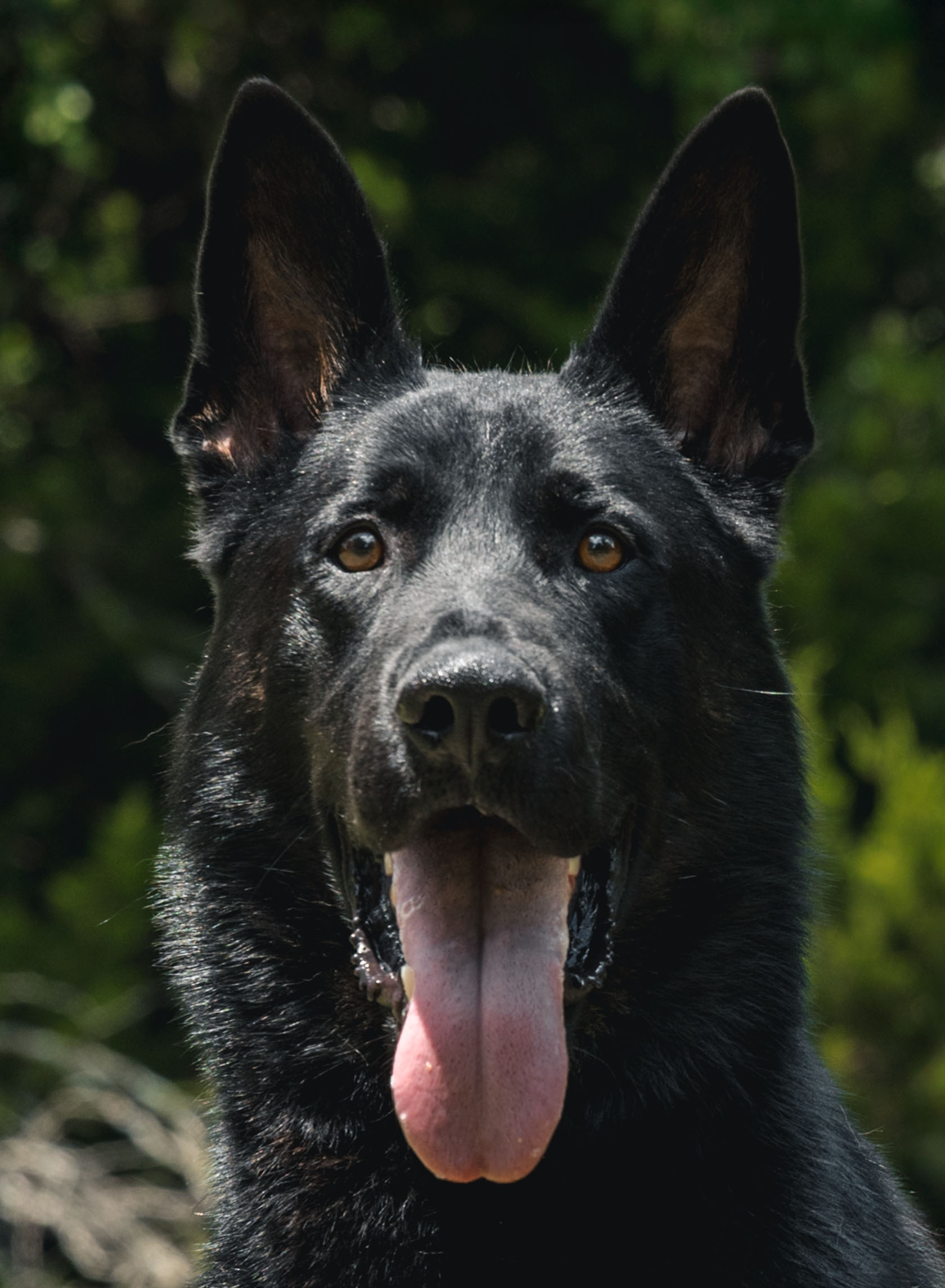
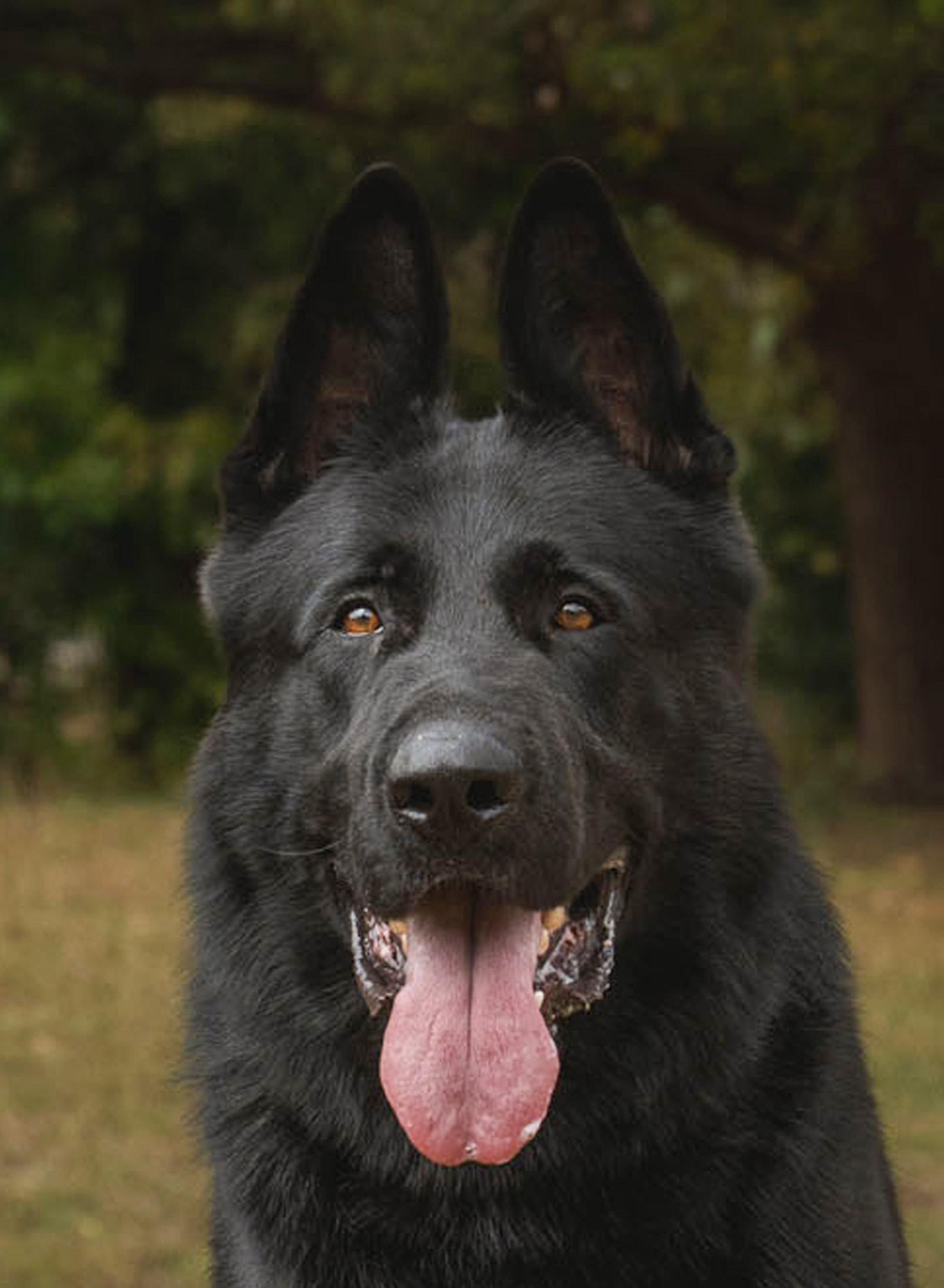
CPI develops a limited number of fully trained protection dogs at a time. The dogs shown here are the dogs currently being considered for placement. Availability changes as placements are completed and new dogs reach the appropriate stage of preparation.
A profile can help you begin to understand a dog, but it is not a substitute for a thoughtful recommendation. The right dog is the one whose temperament, energy, affection, control, and protection capability make sense inside your household.
You do not need to know which breed or individual dog is right for your household before contacting CPI. The consultation is designed to understand your lifestyle, family, property, and expectations before suitable dogs are recommended.
CPI helps identify the right fit based on lifestyle, family, property, and expectations. In many cases, that means presenting one dog whose character and preparation make the recommendation clear rather than asking the family to sort through a long list of options.
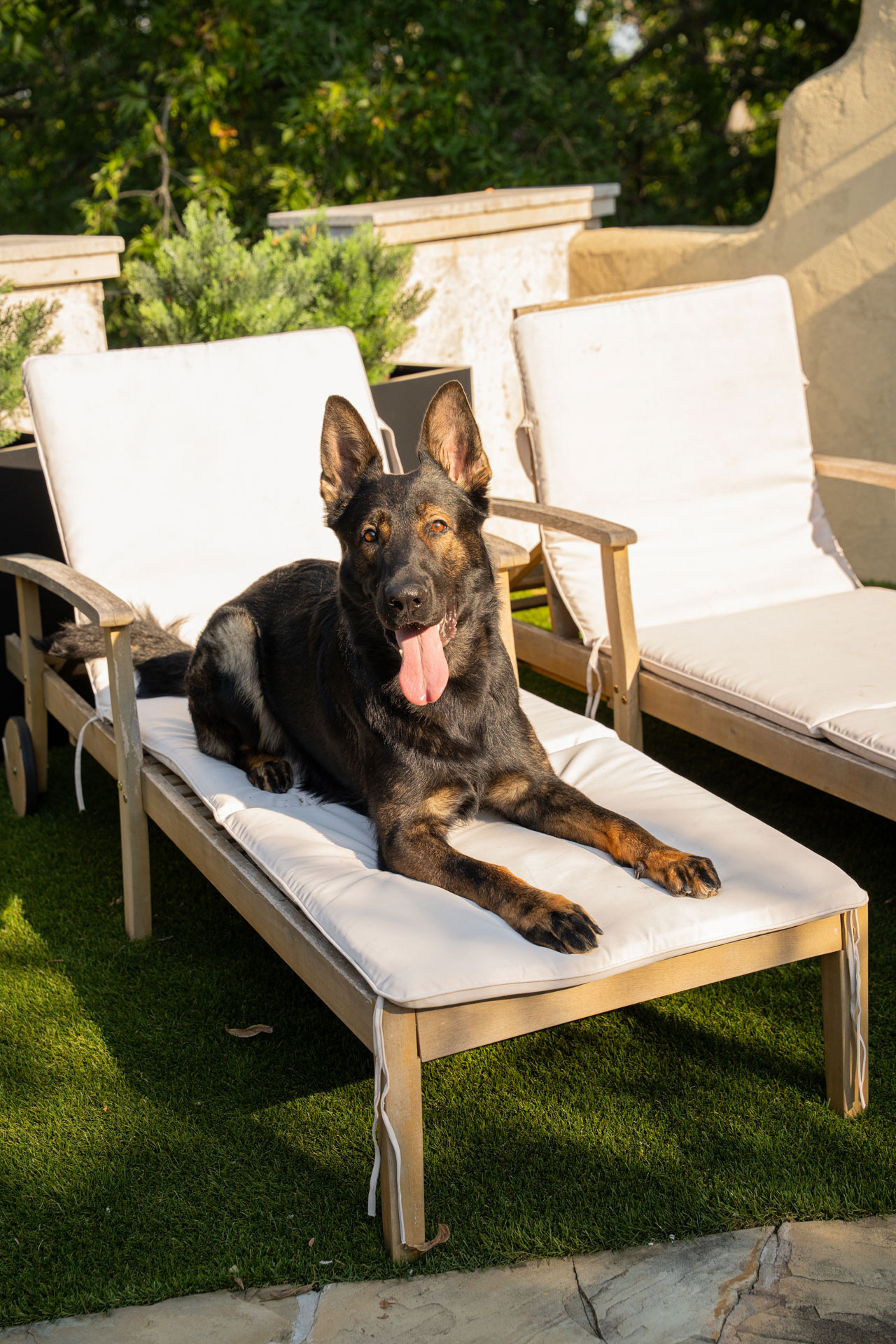
The best protection dog for a Los Angeles household is not simply the dog with the strongest demonstration. It is the dog that can pass through the ordinary transitions of the family's day without becoming harder to live with each time the environment changes.
A gate opens. A driver steps out of a vehicle. A housekeeper enters through a service door. Children move from the pool to the kitchen. Friends arrive for dinner. The dog should recognize that something has changed, look to the family for direction, and return to a relaxed state when no response is required.
That ability to recover matters. A dog that stays emotionally elevated after every sound, arrival, or movement may appear alert, but it adds pressure to the home. Refined protection is quieter. The dog can remain aware without making everyone else manage its awareness.
For many clients, this is the difference between owning a trained dog and living naturally with a CPI dog. Protection remains available, but it does not become the center of the household.
Los Angeles residences can create distinct zones within the same property: a street-facing gate, long drive, garage, main entrance, service entrance, guest house, pool area, and landscaped outdoor rooms. A dog should not assume that distance from the main house gives it permission to make independent decisions.
CPI prepares the dog to stay connected to the handler across those transitions. The family defines who belongs, where the dog should be, and when its protection capability is called forward.
For many Los Angeles families, the vehicle is not a short trip between home and a neighborhood destination. It is a repeated part of the day. The dog may wait while doors open, people pass, luggage is loaded, fuel is added, or the family changes drivers and vehicles.
The dog should enter cleanly, ride quietly, exit under direction, and distinguish an ordinary approach from a situation in which the family gives a protection command. That control allows the dog to travel more often rather than becoming something the family leaves behind.
Household staff, security personnel, drivers, gardeners, contractors, and recurring service professionals may have legitimate access to the property. The right dog can acknowledge their arrival without escalating because a familiar uniform, tool, or entrance changed.
This begins with selecting a socially stable dog and continues through boundaries, introductions, repetition, and personal delivery in the home.
Warm days often shift exercise and outdoor time earlier or later while the dog spends more of the afternoon inside, in a vehicle, or moving through shaded areas. Energy, recovery, coat, physical condition, and the ability to settle indoors should be considered as part of the individual match.
CPI does not reduce that decision to breed. The question is how the individual dog lives within the family's actual climate, schedule, property, and travel routine.

A protection dog should not need an empty room, a wide sidewalk, or a controlled demonstration to appear manageable. The dog should be able to enter a residence, wait through movement around a doorway, ride in the family vehicle, settle while conversations continue, and recover quickly after something unexpected.
That composure is not passive. It is what allows the dog to notice changes without treating every change as a problem.
CPI places a high value on obedience that the family can use naturally. Commands should be understood in a normal voice. The dog should move with the handler, respect thresholds, hold position, come when called, and disengage when directed.
The practical question is not how impressive control looks in a training video. It is whether the family can rely on it during an ordinary, imperfect day.
A CPI dog is trained to respond when directed and to stop when directed. Protection is not built around constant suspicion, uncontrolled territorial behavior, or the expectation that the dog should independently decide what every person intends.
The stronger standard is a dog with real capability that remains under family control before, during, and after the moment it is needed.
Breed alone does not determine whether a dog belongs with children, other animals, household staff, frequent guests, travel, or a particular activity level. CPI evaluates the individual dog and recommends the fit that makes sense for the people who will live with that dog every day.
For a family, the dog must be safe to include. That means affection without pressure, awareness without nervousness, and the ability to lower energy when the household becomes quiet. Children, grandparents, other pets, and regular guests are part of the placement discussion from the beginning.
Larger properties introduce distance, gates, service entries, contractors, outdoor spaces, and more than one place where daily life happens. CPI prepares the dog to remain connected to the handler rather than allowing the size of the property to create independent or uncontrolled behavior.
For a Los Angeles placement, final preparation may include gated entries, vehicle loading, valet or curbside transitions, household staff, service access, outdoor gathering areas, office behavior, second residences, and the family's regular travel pattern.
Preparation can include vehicle behavior, thresholds, household boundaries, staff routines, other animals, office settings, and the places where the dog will be expected to settle. The objective is not a collection of tricks. It is a smoother first day and a clearer long-term relationship.
CPI personally delivers fully trained family and estate protection dogs. Delivery labor includes acclimation to the home and family, appropriate customization, and handling instruction. Travel expenses such as airfare, hotel, and vehicle rental remain the responsibility of the client.
The delivery is where training becomes your routine. Commands are practiced in the residence, around the property, and in the situations that matter to the household.
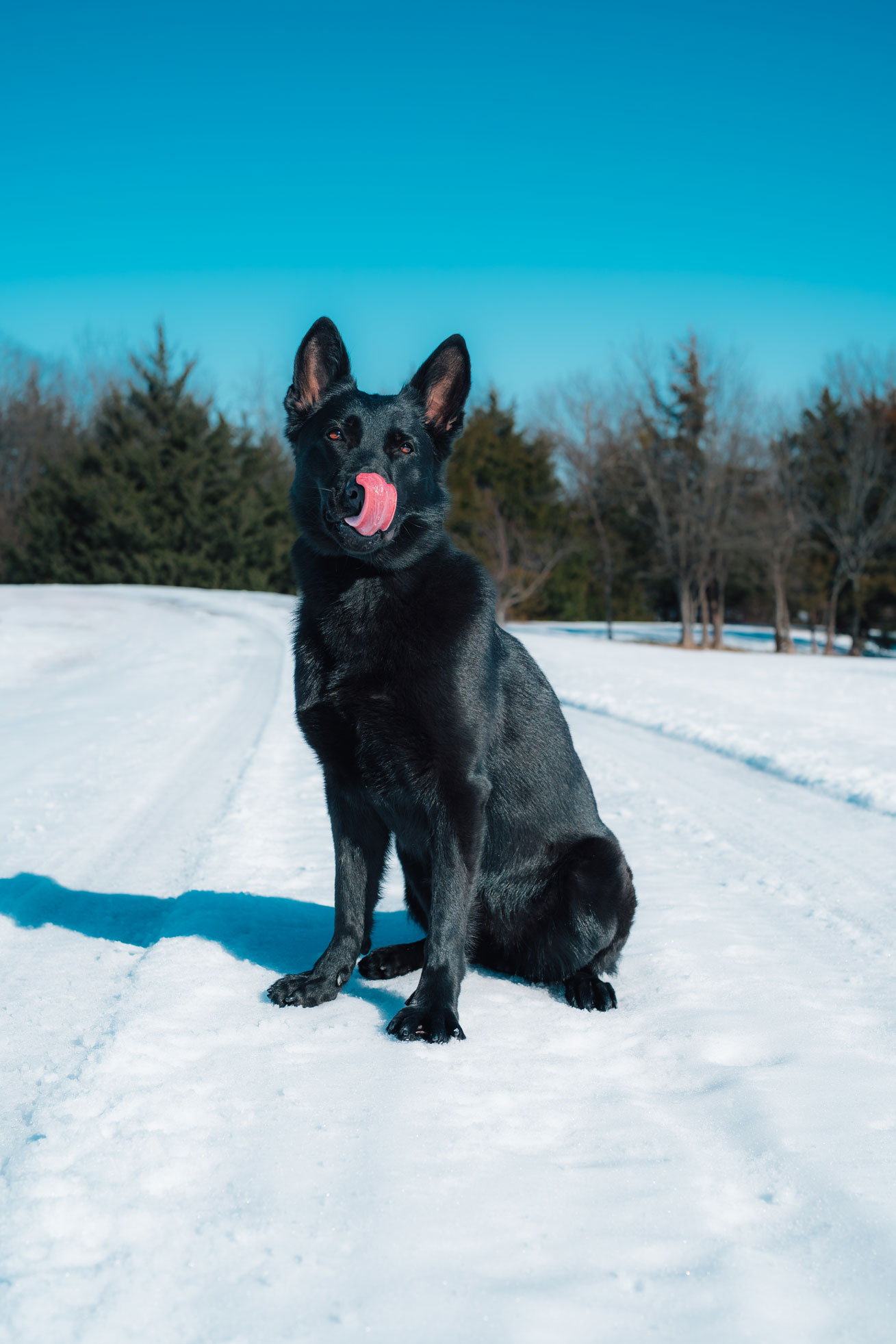

"We purchased 2 dogs from CPI (Brixton and Axel) both Germans. This company does a great job making sure the family & dogs are a good fit for each other and are always willing to help out with any issues or assistance that is needed with the dogs."
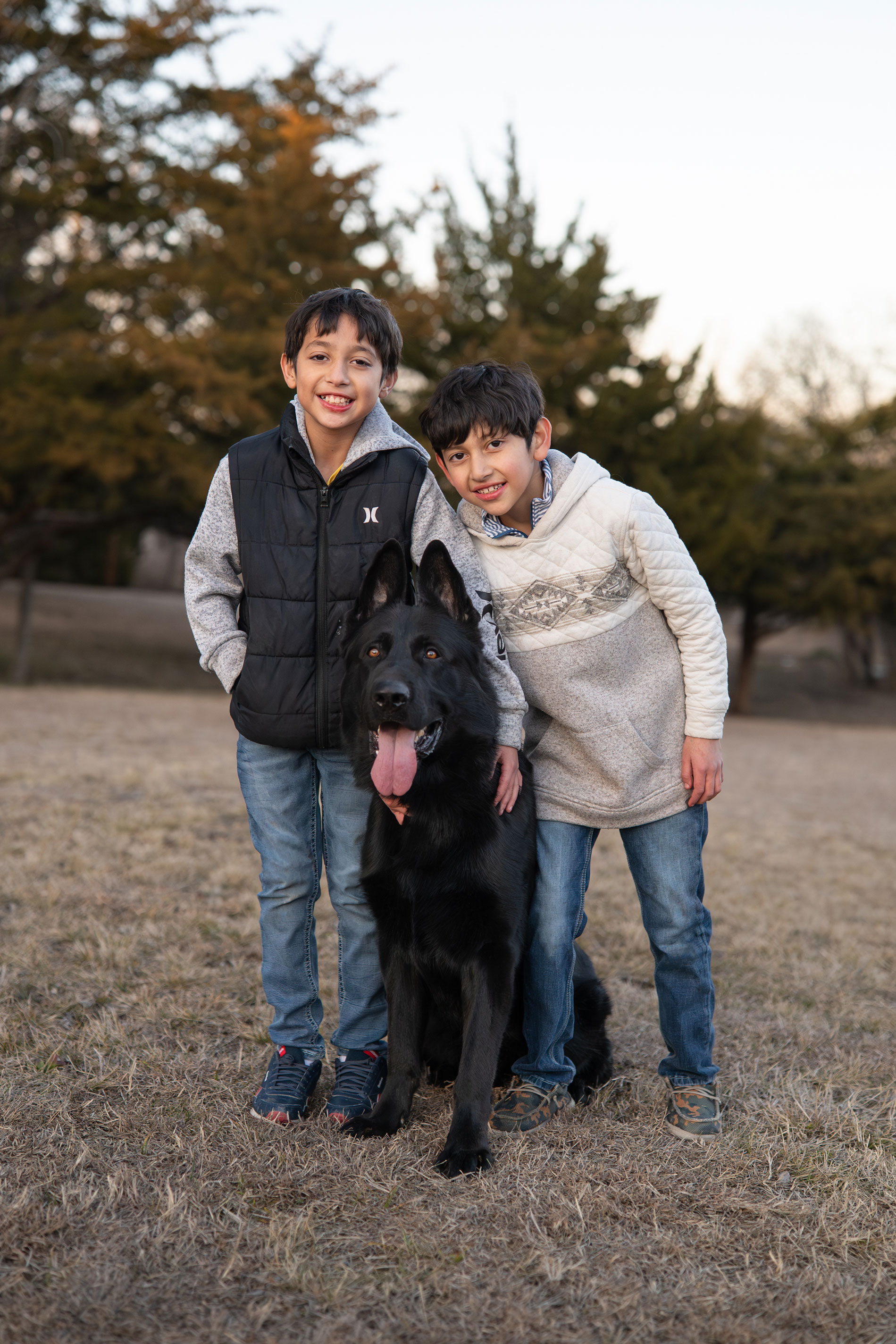
The first conversation is about the household, not a sales list. CPI asks who lives in the home, how the family spends its time, where the dog will go, what the property is like, which animals are already present, and what the family expects from protection.
CPI identifies the dog whose temperament, energy, size, social character, control, and protection capability best fit the requirements. The recommendation may be one dog or, when useful, a small number of carefully selected options.
Training continues around the details that will matter after placement. The objective is to reduce friction before the dog arrives rather than asking the family to reshape its life around the dog.
CPI brings the dog to the client, introduces the dog to the home and family, teaches the handling system, and works through the routines and environments that will become part of daily life.
Questions often become more specific after the dog has lived in the household. CPI remains available to help the family protect the clarity, consistency, and confidence established during delivery.
Canine Protection International operates out of a state-of-the-art, 2,400-square-foot facility on private grounds near Dallas, Texas. This environment allows us to personalize every dog’s training, ensuring they meet the highest standards of obedience and protection.
Our process begins in Europe, where dogs are hand-selected for their temperament, intelligence, and guarding instincts. Once they arrive at our facility, we focus on advanced training tailored to real-life scenarios. From family environments to high-stress situations, CPI dogs are prepared to excel in every setting.
The price of a fully trained CPI protection dog reflects the individual dog, the depth of preparation, the protection capability, and the requirements of the placement. It is not a local delivery fee attached to a standardized product.
The consultation is the appropriate place to discuss current dogs, expected investment, timing, travel, and any additional preparation the household may require. CPI includes the labor for personal delivery with its fully trained family and estate protection dogs. The client is responsible for related airfare, lodging, and vehicle expenses.
A family should understand not only what the dog can do, but also who selected the dog, who prepared it, who will deliver it, and who will answer after the placement is complete.
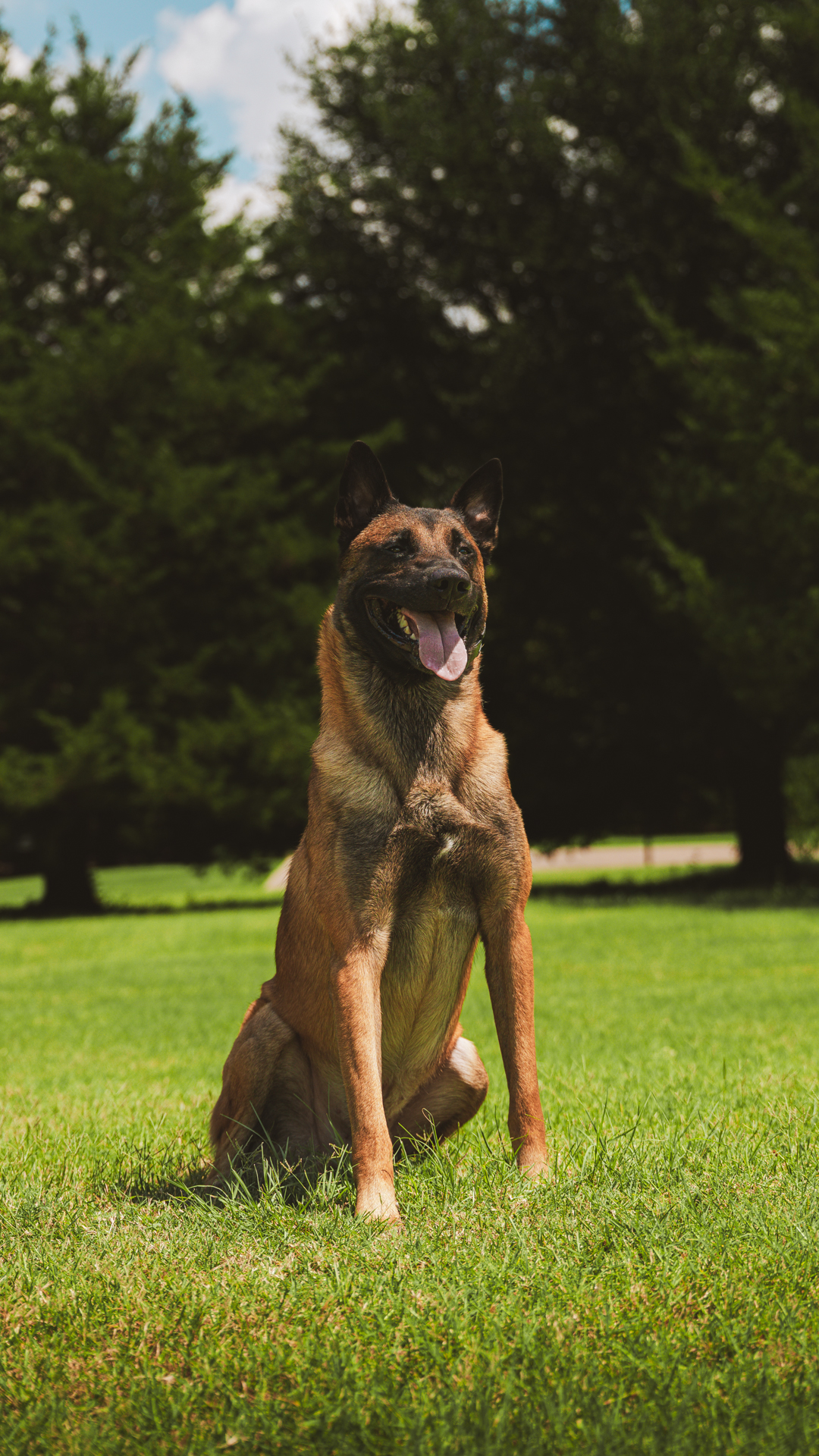
Fredo was placed by CPI with a client in Los Angeles. His profile is useful not because it offers a dramatic local story, but because it shows the kind of foundation that matters before a dog enters a complex household.
He was raised in a family environment, regularly interacted with children, lived around other working dogs, and was comfortable with car travel and family outings. CPI described him as respectful and easygoing while also clear-headed and committed in challenging protection work.
Those details belong together. Family experience without protection capability is incomplete. Protection capability without social stability and everyday manageability is equally incomplete. The placement standard is the individual dog that can carry both.
Fredo's published profile gives a concrete view of that foundation. It shows why a family should look beyond a dramatic demonstration and understand the history, temperament, and everyday behavior of the individual dog being considered.
CPI serves private clients throughout Los Angeles and the surrounding county through consultation, tailored preparation, and personal delivery. The region includes very different living environments, from shared urban access to gated homes, coastal properties, and larger family residences. Each placement is built around the actual household rather than a general idea of Los Angeles life.
In central and west Los Angeles, relevant areas include Beverly Hills, Bel Air, Holmby Hills, Brentwood, Pacific Palisades, Hancock Park, Los Feliz, and nearby communities. Coastal and gated placements may include Malibu, Manhattan Beach, Palos Verdes Estates, Rolling Hills, and surrounding areas. Larger properties and family residences may also be found in Calabasas, Hidden Hills, Pasadena, and San Marino.
The consultation is not limited by a neighborhood list. It is designed to understand the residence, people, access patterns, travel, and expectations that define the placement.
No. You do not need to select a breed or individual dog first. CPI uses the consultation to understand your household, children, other animals, staff, property, travel, activity level, and protection expectations before recommending suitable dogs.
No. CPI is based in the Dallas area and lists its office in Frisco, Texas. Los Angeles clients are served through private consultation, preparation, personal delivery, and continuing support rather than through a local kennel or storefront.
The right dog can live comfortably around authorized people when temperament, introductions, boundaries, control, and household routines are addressed correctly. CPI asks about staff and recurring visitors before recommending a dog and reinforces those expectations during preparation and delivery.
Vehicle behavior is an important part of real family life. CPI can prepare the dog to load, ride, wait, and exit under direction, with additional customization based on the family's vehicles and routines.
Suitability depends on the individual dog and the household. CPI evaluates family experience, social behavior, energy, temperament, and compatibility before making a recommendation. Children and existing animals should be discussed in detail during the consultation.
Licensing, rabies vaccination, leash, building, community, insurance, and property-specific requirements can vary across Los Angeles County and its municipalities. Los Angeles County states that dogs in its jurisdiction must be licensed and that dogs older than four months require rabies vaccination. Clients should confirm the rules that apply to their exact address.
Price depends on the individual dog, development, level of training, protection capability, and placement requirements. CPI discusses current dogs, investment, timing, and travel during the consultation rather than presenting a generic Los Angeles price.
CPI personally delivers the dog, helps acclimate it to the home and family, customizes details where appropriate, and provides handling instruction. CPI includes delivery labor for its fully trained family and estate protection dogs, while the client is responsible for related travel expenses.
A protection dog should not ask your family to become someone else. The right placement should enter the life you already built, understand its boundaries, and make that life feel more secure without making it feel smaller.
Tell CPI who lives in the home, how the property functions, where the dog will travel, who regularly enters, and what you want the dog to feel like as part of the family. From there, CPI can identify the dog whose character and capability belong in that picture.
You do not need to arrive with a breed or profile selected. You need a clear conversation about the household.



.png)
