Guidance on family protection dogs, training, temperament, ownership, and the decisions that shape a successful placement.
Head Trainer and Owner of Canine Protection International
In today’s world, the need for personal protection is more real than ever. We’d like to share a recent experience that illustrates just how much peace of mind an elite family protection dog can provide.
You might assume your dog will step in if something goes wrong, but protection is not automatic. Most untrained dogs act on instinct, and instinct can be unpredictable. Some dogs bark or stand their ground, while others freeze, flee, or misread the situation. Professional training helps turn natural protective tendencies into calm, controlled, and reliable behavior.
If you’re wondering what is the best dog for protection and family, the answer goes beyond breed; it’s about finding a well-trained, stable dog that balances companionship with reliable protection. This guide explains how the right combination of temperament, training, and lifestyle fit creates the ideal family protection dog.
TL;DR: True dog training off leash control isn’t about showing off at the park. It’s about maintaining complete command during high-stress, real-world situations. This guide explains what off-leash control really means in a crisis and how professional structure turns obedience into dependable performance.
TL;DR: Understanding the types of German Shepherds is essential when choosing the right dog for your lifestyle, whether you want a working partner or a show companion. This guide explains the key differences between working and show lines so you can make a confident, informed decision.
TL;DR: The psychology of deterrence shows that preventing a threat is far more powerful than reacting to one. In this blog, you’ll discover how presence, especially through trained protection dogs, creates effective deterrence by influencing behavior before danger escalates.
TL;DR: When evaluating big protective dog breeds, size alone does not determine real-world protection ability. This guide explains how genetics, temperament, and obedience training matter more than sheer mass when choosing the right protective dog for your family.
TL;DR
TL;DR:
In today's protection dog market, the word "elite" appears on virtually every website, social media post, and marketing material. We at CPI coined "Elite Family & Estate Protection Dogs" over 30 years ago, a term originally reserved for truly exceptional animals with specialized training that set us as the leader in the industry. Now, "elite" has devolved into meaningless marketing jargon, appearing on every protection dog company website, leaving potential owners confused and often misled about what they're purchasing. In fact, it's now hard to find a dog from any company that isn't marketed as elite. This inflation of terminology doesn't just damage industry credibility; it potentially puts families at risk when they believe they've purchased a comprehensively trained family protection dog but instead receive an animal unprepared for real-world threats.
Protection dogs are valuable companions and deterrents against home invasions, but certain training approaches may not be functional, and could open you up to liability. Having your protection dog trained to independently search your home for intruders is a request we often get from clients, and is one we can certainly train and deliver, but we often don't recommend this choice as it presents several serious concerns that owners should carefully consider.
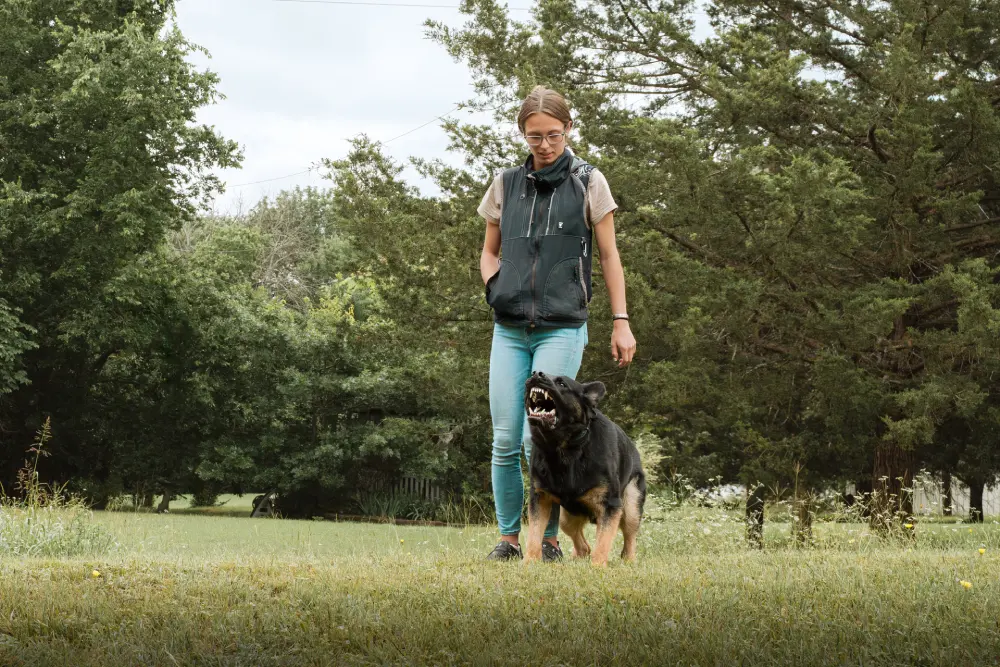
When considering a personal protection dog, one of the most critical factors is the dog’s level of control and responsiveness. At CPI, we believe in training protection dogs to respond easily to off-leash commands, in obedience, and protection. Functionality is what we train for, and in most cases, having your dog on a leash while performing protection is simply not functional. Off-leash training is more than a convenience; it’s an important skill that will keep you safe and improves the bond between dog and handler.
In recent months, a troubling trend has emerged: the homes of high-profile athletes, including NFL stars Patrick Mahomes and Travis Kelce, have been targeted by organized crime rings. These sophisticated groups exploit public records and social media to identify when athletes are away, often during games, to execute burglaries.