

A protection dog in Chicago may need to wait quietly in a high-rise elevator, move past dogs and people on a close sidewalk, ride through a parking garage, and then settle for hours while winter weather moves more of the family's routine indoors. On another day, that same dog may be at a larger North Shore or suburban property with more distance, more entrances, and more outdoor space.
Canine Protection International places fully trained family and estate protection dogs for households that need capability without carrying unnecessary tension into daily life. The dog should remain clear, responsive, affectionate, and manageable whether the environment feels crowded, quiet, cold, or unfamiliar.
CPI begins with the family and the environments the dog will actually use. Residence type, shared spaces, children, staff, other animals, vehicles, travel, winter routine, and the relationship the family wants with the dog all shape the recommendation.
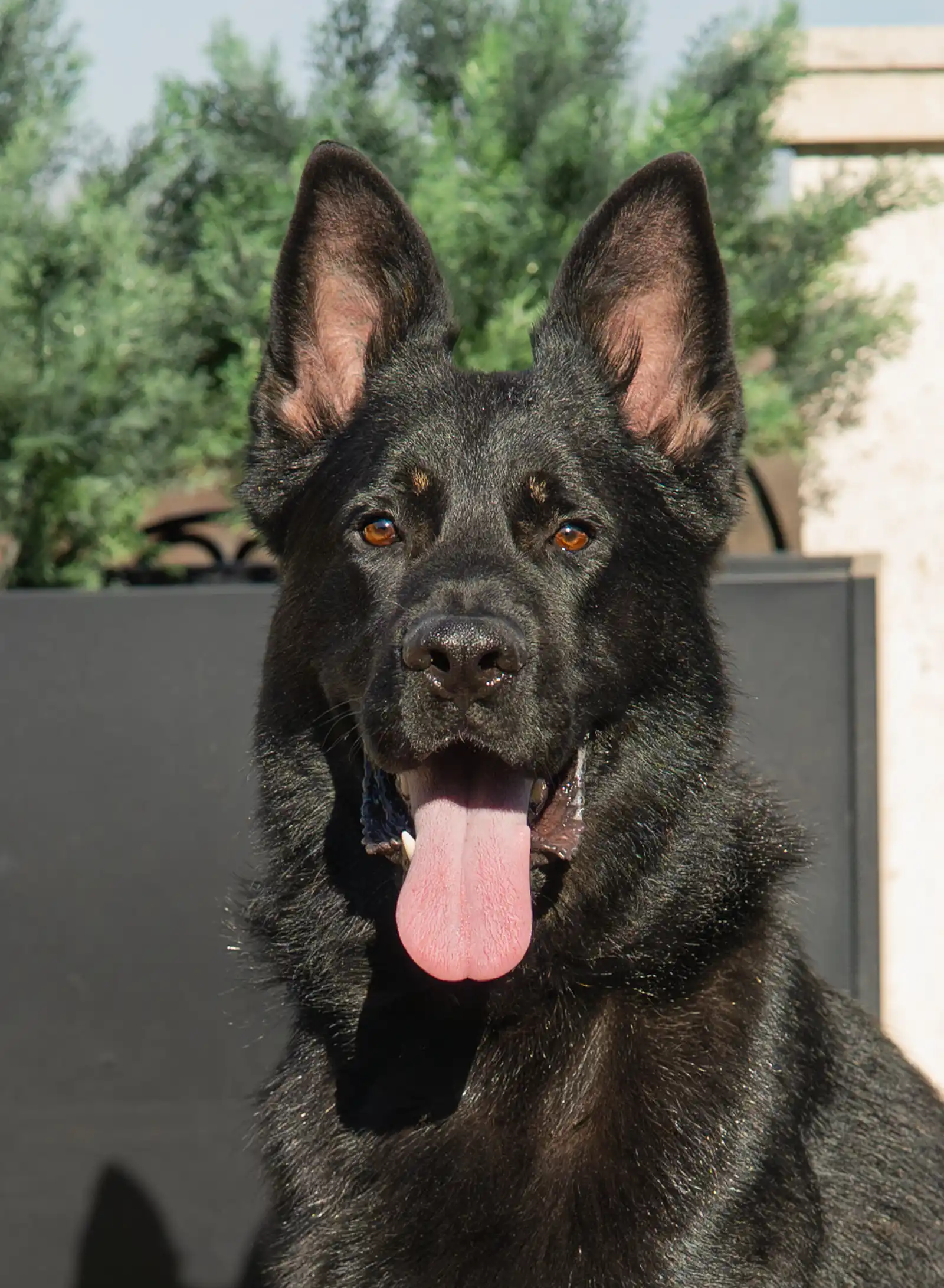
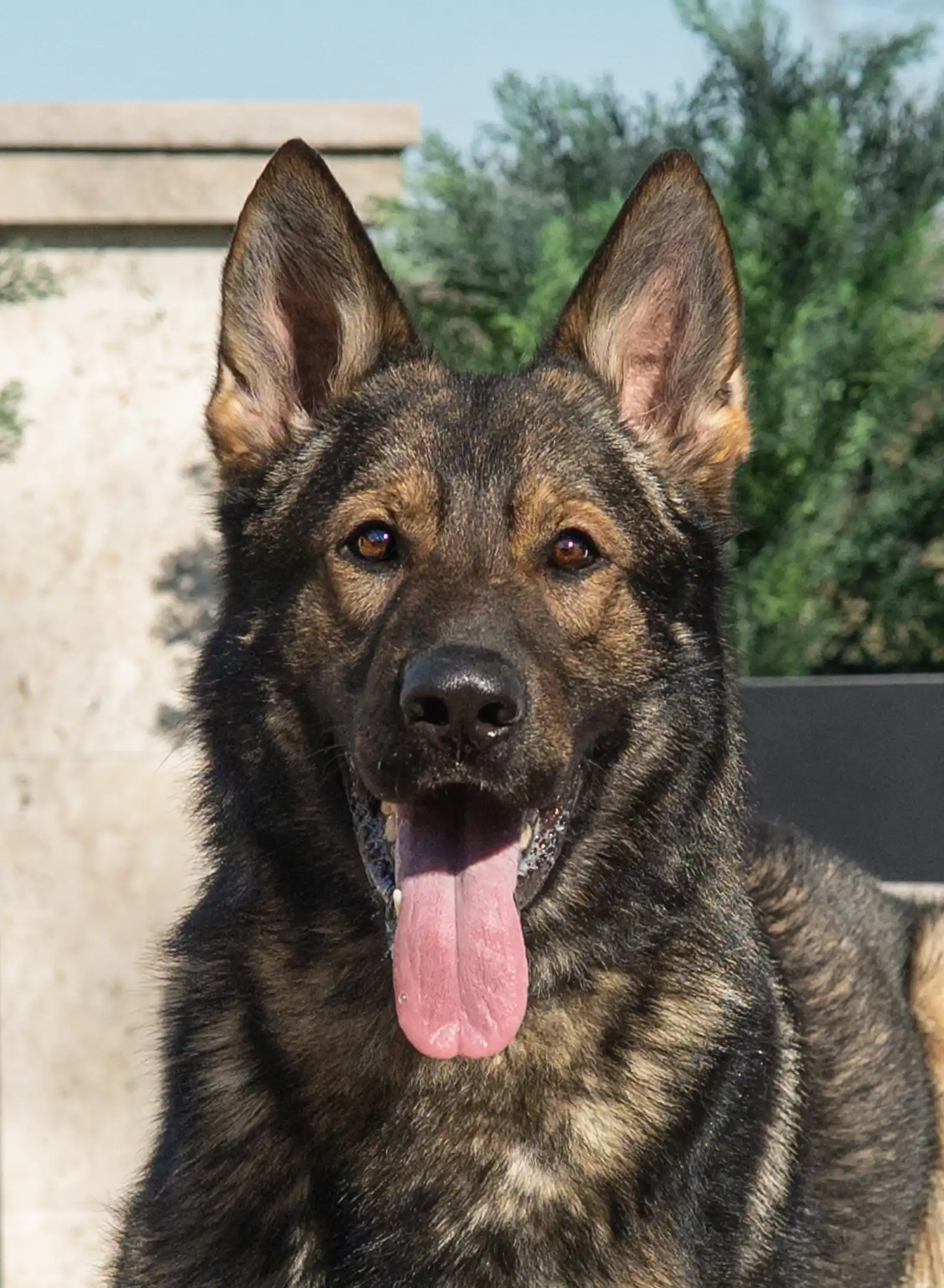
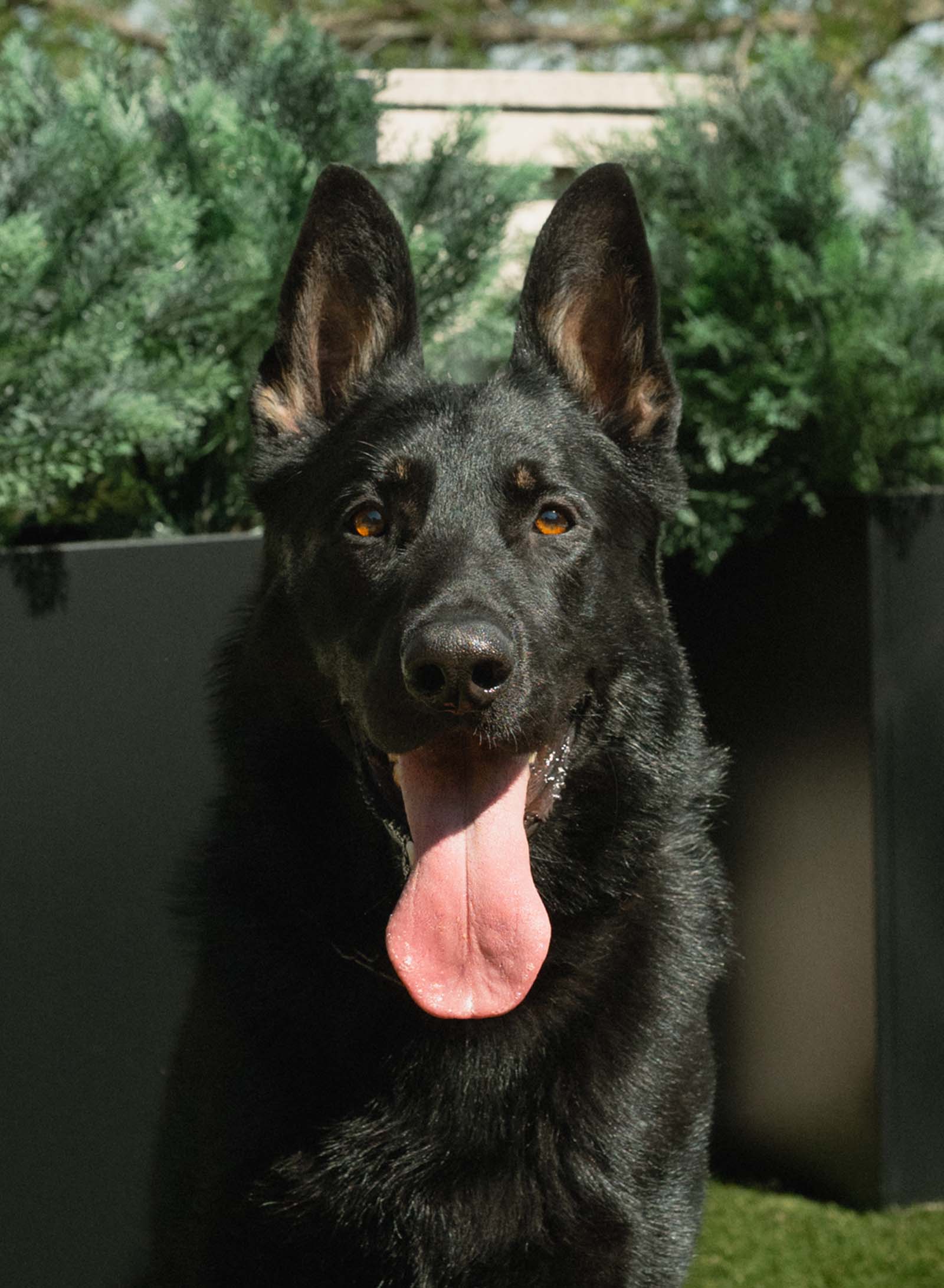
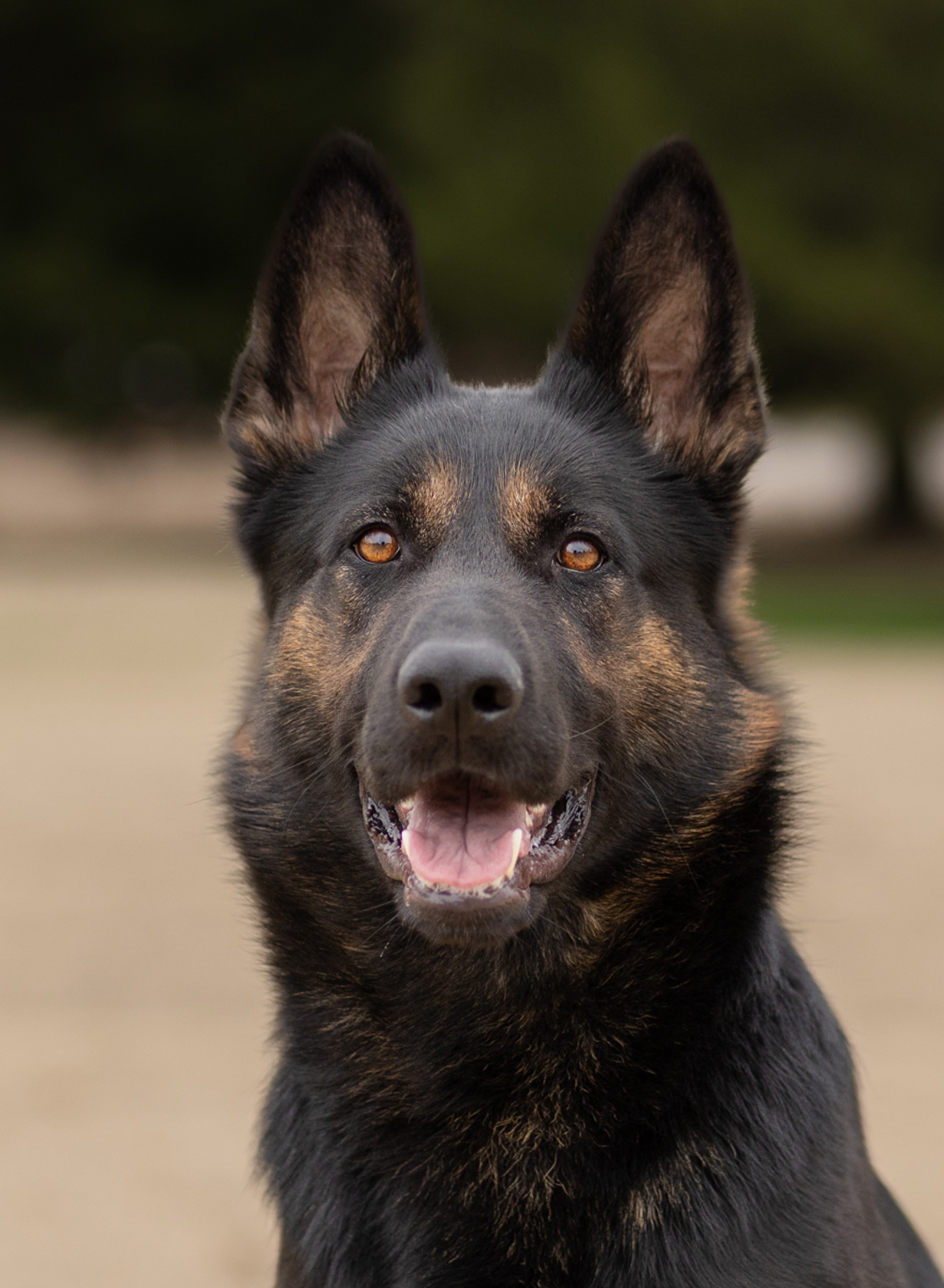
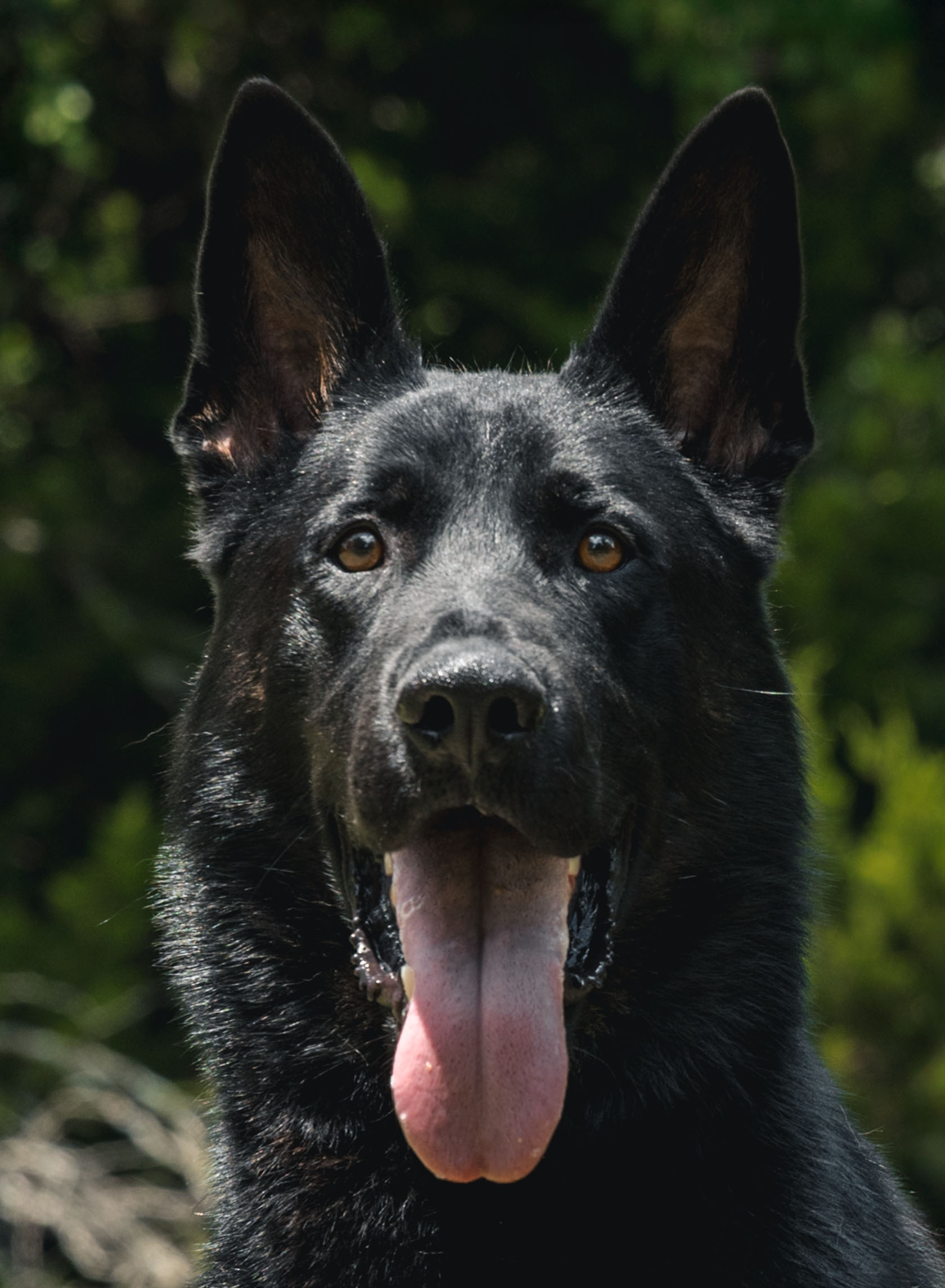
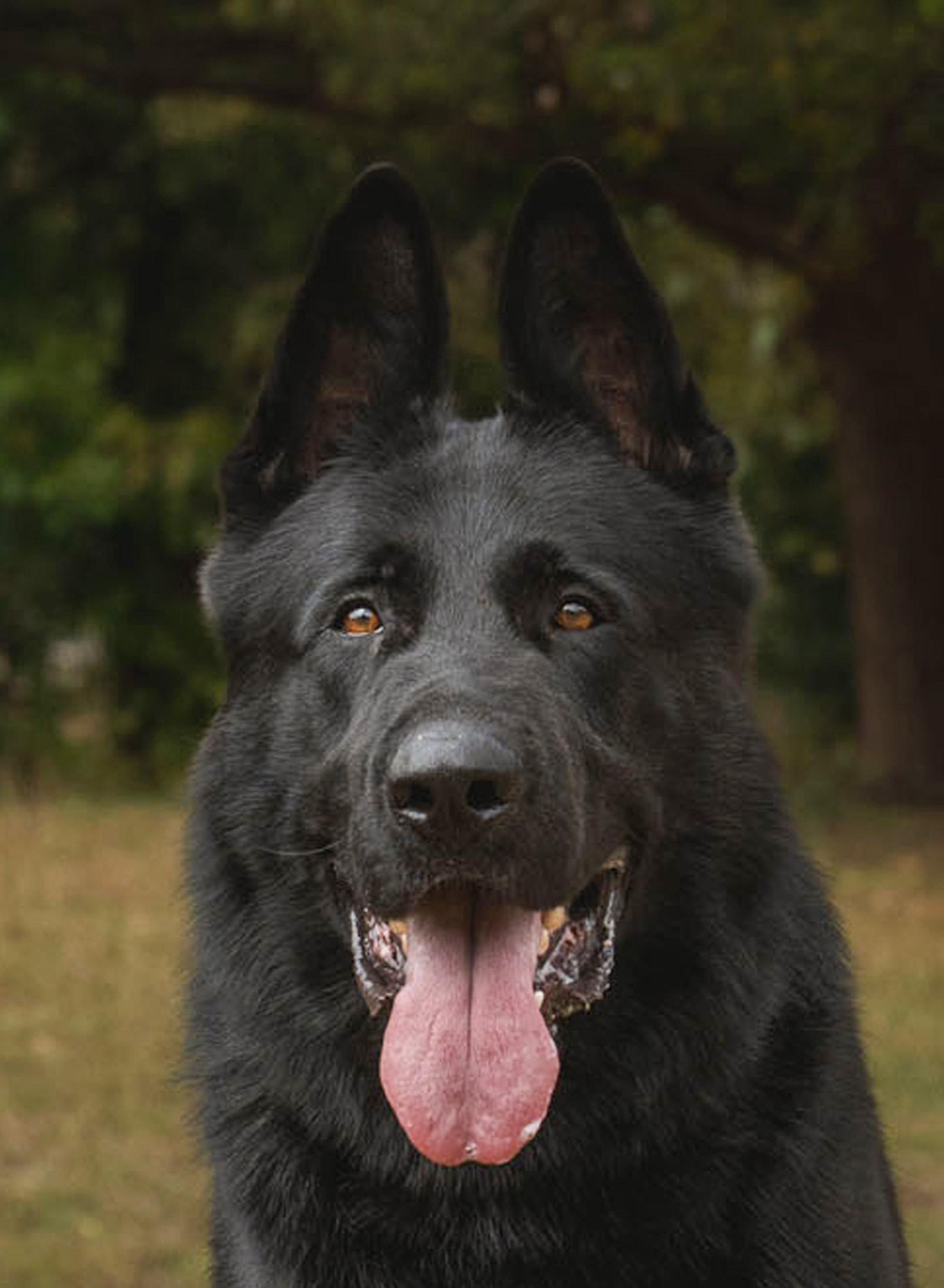
CPI develops a limited number of fully trained protection dogs at a time. The dogs shown here are the dogs currently being considered for placement. Availability changes as placements are completed and new dogs reach the appropriate stage of preparation.
A profile can help you begin to understand a dog, but it is not a substitute for a thoughtful recommendation. The right dog is the one whose temperament, energy, affection, control, and protection capability make sense inside your household.
You do not need to know which breed or individual dog is right for your household before contacting CPI. The consultation is designed to understand your lifestyle, family, property, and expectations before suitable dogs are recommended.
CPI helps identify the right fit based on lifestyle, family, property, and expectations. In many cases, that means presenting one dog whose character and preparation make the recommendation clear rather than asking the family to sort through a long list of options.
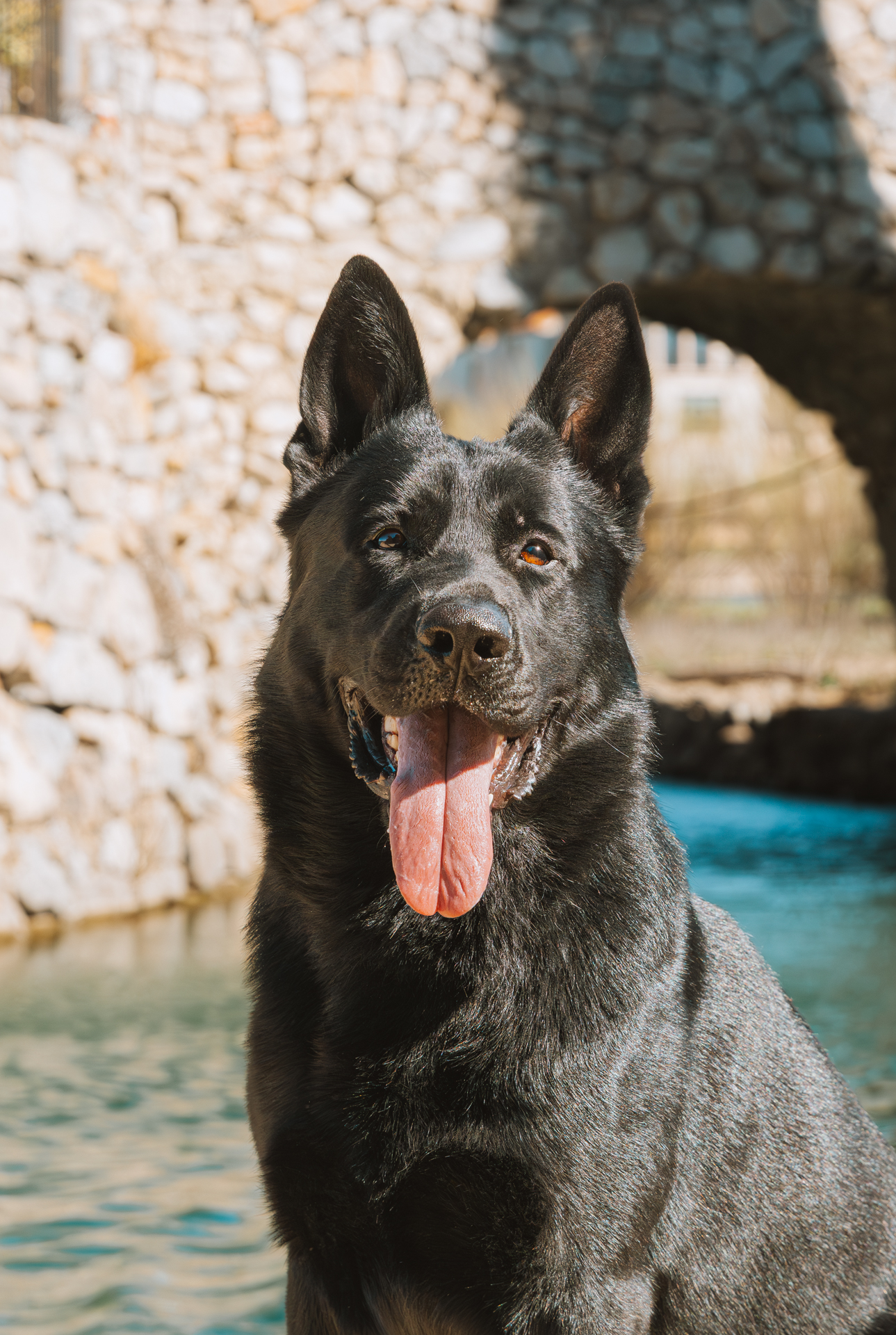
Chicago exposes the difference between a dog that has learned exercises and a dog that has learned how to live. Training has to remain available when the entry is wet, the sidewalk is narrow, the elevator stops on every floor, everyone is wearing heavier clothing, and the dog has spent more of the day indoors than usual.
The dog should move with the handler instead of taking over the space. It should allow a neighbor to enter an elevator, ignore the ordinary movement of building staff, wait while boots and coats are managed, and settle again once the family is home.
Cold, wind, snow, road salt, and early darkness change the rhythm of the household. They can shorten outdoor sessions and increase the importance of quiet indoor behavior. The right dog does not need constant stimulation to remain emotionally steady.
Protection belongs in this life when it is dependable through the unremarkable days as well as the dramatic ones. The dog remains capable, but the family does not have to organize the household around managing the dog.
In a Gold Coast or Streeterville high-rise, there may be little distance between the residence door, elevator, lobby, garage, and sidewalk. A dog that crowds thresholds, scans every person, or pulls the handler into the next space can make normal movement unnecessarily difficult.
CPI values a dog that understands position, waits for direction, moves through doors cleanly, and can share space without becoming socially careless or suspicious. Neutrality is not weakness. It is control preserved in close quarters.
Heavy coats alter silhouettes. Hoods and scarves obscure faces. Snow equipment appears in hallways and garages. Salt, slush, wind, and slippery floors change footing and handling. The dog should accept those changes without losing clarity.
Preparation is practical. The family should be able to manage paws and equipment, move through tight entries, and give familiar commands while the environment looks different from summer.
A dog may spend longer stretches inside during difficult weather. That makes the ability to settle near the family, remain quiet during work or dinner, and rest without inventing a job especially important.
A protection dog should be present without being restless. The household should feel the dog's companionship and awareness, not a constant demand for activity or attention.
Families may move between a Chicago residence and a home in Winnetka, Lake Forest, Hinsdale, Oak Brook, or another surrounding community. More space changes the distances and access points, but it should not change who directs the dog.
The dog should remain connected to the handler at the curb, in a garage, through a yard, near a gate, and inside the home. Property size should expand the family's life, not the dog's authority.

A protection dog should not need an empty room, a wide sidewalk, or a controlled demonstration to appear manageable. The dog should be able to enter a residence, wait through movement around a doorway, ride in the family vehicle, settle while conversations continue, and recover quickly after something unexpected.
That composure is not passive. It is what allows the dog to notice changes without treating every change as a problem.
CPI places a high value on obedience that the family can use naturally. Commands should be understood in a normal voice. The dog should move with the handler, respect thresholds, hold position, come when called, and disengage when directed.
The practical question is not how impressive control looks in a training video. It is whether the family can rely on it during an ordinary, imperfect day.
A CPI dog is trained to respond when directed and to stop when directed. Protection is not built around constant suspicion, uncontrolled territorial behavior, or the expectation that the dog should independently decide what every person intends.
The stronger standard is a dog with real capability that remains under family control before, during, and after the moment it is needed.
Breed alone does not determine whether a dog belongs with children, other animals, household staff, frequent guests, travel, or a particular activity level. CPI evaluates the individual dog and recommends the fit that makes sense for the people who will live with that dog every day.
For a family, the dog must be safe to include. That means affection without pressure, awareness without nervousness, and the ability to lower energy when the household becomes quiet. Children, grandparents, other pets, and regular guests are part of the placement discussion from the beginning.
Larger properties introduce distance, gates, service entries, contractors, outdoor spaces, and more than one place where daily life happens. CPI prepares the dog to remain connected to the handler rather than allowing the size of the property to create independent or uncontrolled behavior.
For a Chicago placement, final preparation may include elevators, lobbies, parking garages, narrow entries, winter clothing and equipment, paw handling, indoor settling, vehicles, staff routines, children, other pets, and movement between a city residence and a larger property.
Preparation can include vehicle behavior, thresholds, household boundaries, staff routines, other animals, office settings, and the places where the dog will be expected to settle. The objective is not a collection of tricks. It is a smoother first day and a clearer long-term relationship.
CPI personally delivers fully trained family and estate protection dogs. Delivery labor includes acclimation to the home and family, appropriate customization, and handling instruction. Travel expenses such as airfare, hotel, and vehicle rental remain the responsibility of the client.
The delivery is where training becomes your routine. Commands are practiced in the residence, around the property, and in the situations that matter to the household.
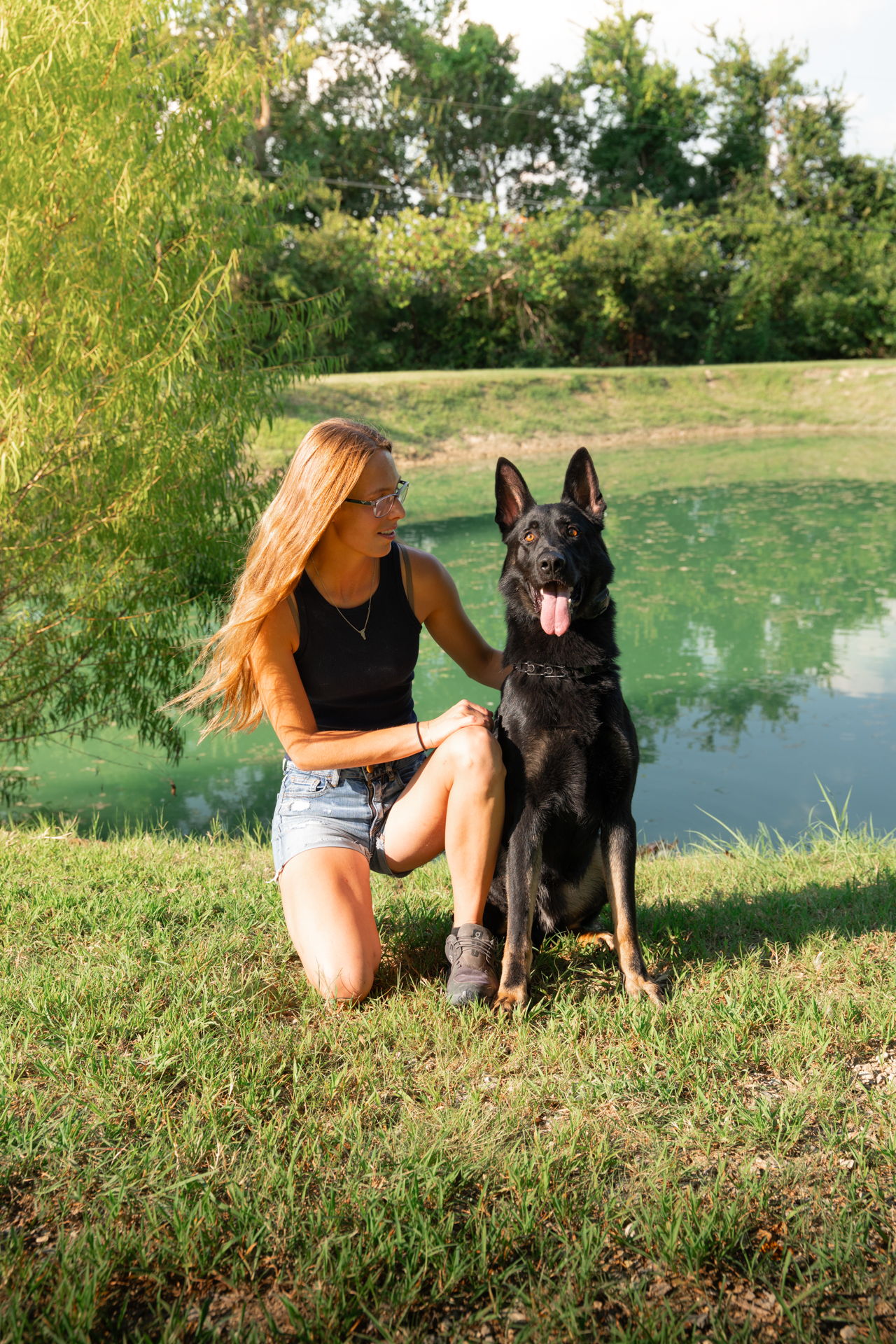

"We purchased 2 dogs from CPI (Brixton and Axel) both Germans. This company does a great job making sure the family & dogs are a good fit for each other and are always willing to help out with any issues or assistance that is needed with the dogs."
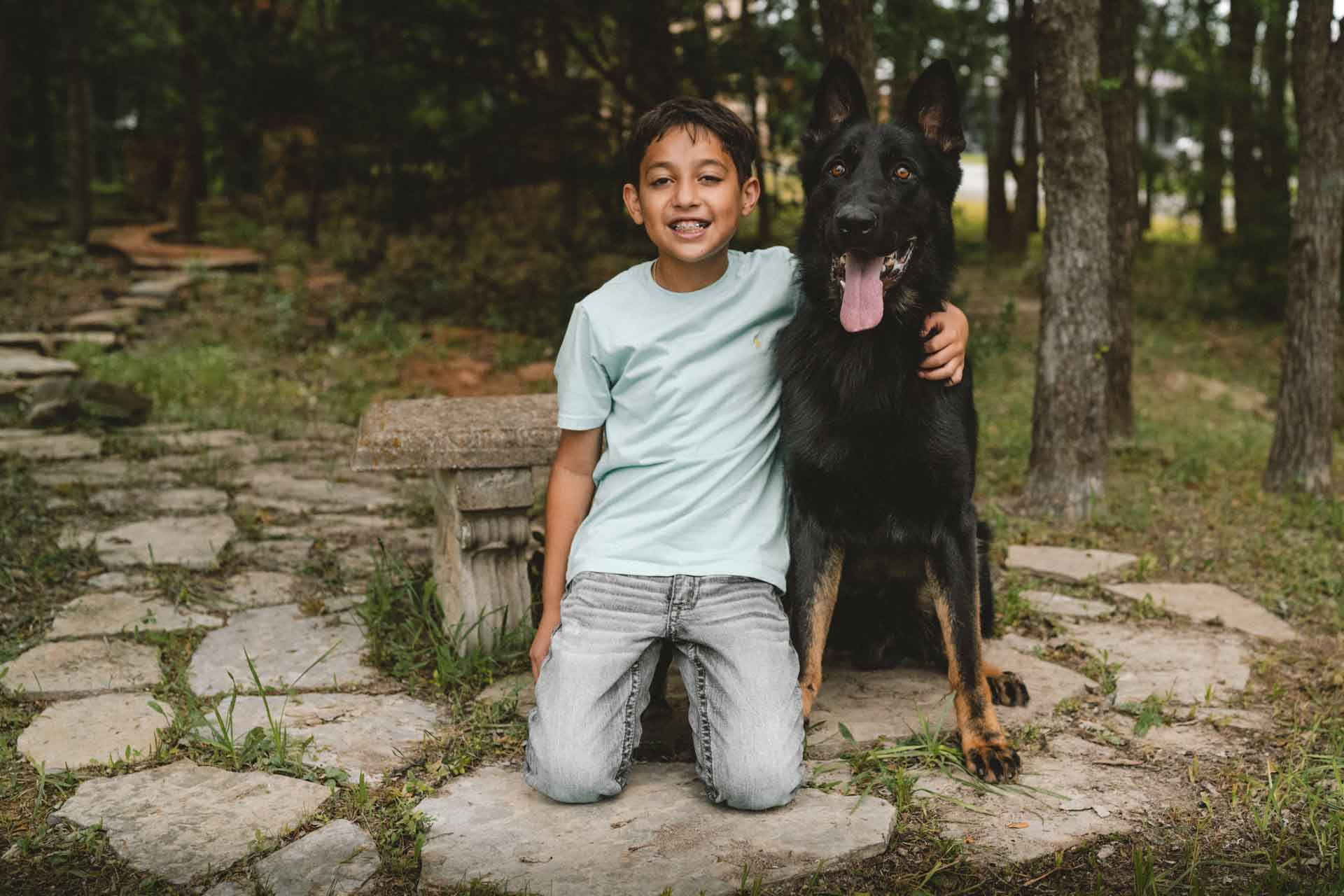
The first conversation is about the household, not a sales list. CPI asks who lives in the home, how the family spends its time, where the dog will go, what the property is like, which animals are already present, and what the family expects from protection.
CPI identifies the dog whose temperament, energy, size, social character, control, and protection capability best fit the requirements. The recommendation may be one dog or, when useful, a small number of carefully selected options.
Training continues around the details that will matter after placement. The objective is to reduce friction before the dog arrives rather than asking the family to reshape its life around the dog.
CPI brings the dog to the client, introduces the dog to the home and family, teaches the handling system, and works through the routines and environments that will become part of daily life.
Questions often become more specific after the dog has lived in the household. CPI remains available to help the family protect the clarity, consistency, and confidence established during delivery.
Canine Protection International operates out of a state-of-the-art, 2,400-square-foot facility on private grounds near Dallas, Texas. This environment allows us to personalize every dog’s training, ensuring they meet the highest standards of obedience and protection.
Our process begins in Europe, where dogs are hand-selected for their temperament, intelligence, and guarding instincts. Once they arrive at our facility, we focus on advanced training tailored to real-life scenarios. From family environments to high-stress situations, CPI dogs are prepared to excel in every setting.
A training clip can easily show a dog barking, engaging, or holding a position in a controlled setting. Those demonstrations do not answer the questions that determine whether the dog belongs in a Chicago household.
Ask how the dog enters an elevator when another person is already inside. Ask whether it can wait while a child drops a glove, a doorman opens a door, or someone brushes past on a narrow sidewalk. Ask how it behaves after exercise when the family needs it to settle for the evening.
For a larger property, ask whether the dog remains responsive at a distance, accepts authorized arrivals, and comes back down emotionally after a protection exercise. The important proof is not a single impressive moment. It is consistency across the moments that surround it.
The more useful proof is specific to the dog being considered: how it enters shared spaces, recovers after activity, responds to ordinary proximity, and settles when the family needs quiet. CPI can discuss those behaviors and the dog's preparation during the consultation.
CPI serves private clients throughout Chicago and surrounding communities through consultation, individualized preparation, and personal delivery. The region includes high-rise residences, established city homes, North Shore properties, and larger suburban estates, each with different access, movement, and seasonal demands.
Within the city, relevant settings include Gold Coast, Lincoln Park, Streeterville, River North, Old Town, Lakeview, and other neighborhoods where close public movement and shared building spaces shape daily handling. North Shore placements may include Winnetka, Kenilworth, Glencoe, Highland Park, Lake Forest, and Bannockburn. Western suburban placements may include Hinsdale, Oak Brook, Burr Ridge, Western Springs, and nearby communities.
The consultation determines what matters at the actual residence, including entrances, building rules, vehicles, outdoor space, other animals, staff, and the family's seasonal routine.
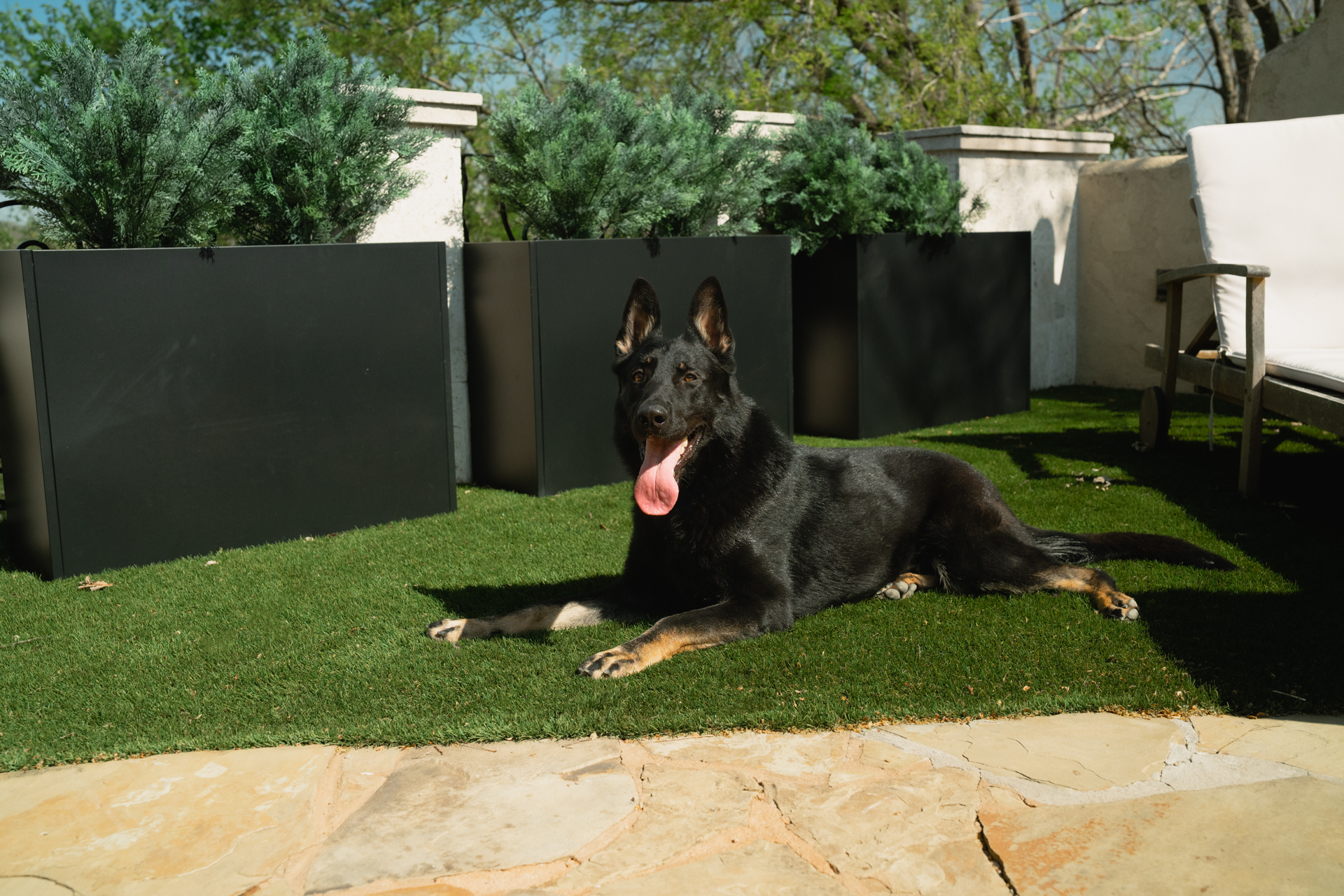
The price of a fully trained CPI protection dog reflects the individual dog, the depth of preparation, the protection capability, and the requirements of the placement. It is not a local delivery fee attached to a standardized product.
The consultation is the appropriate place to discuss current dogs, expected investment, timing, travel, and any additional preparation the household may require. CPI includes the labor for personal delivery with its fully trained family and estate protection dogs. The client is responsible for related airfare, lodging, and vehicle expenses.
A family should understand not only what the dog can do, but also who selected the dog, who prepared it, who will deliver it, and who will answer after the placement is complete.
No. CPI first learns about your family, residence, shared spaces, children, other animals, activity level, winter routine, travel, and protection expectations. That information is used to recommend suitable dogs.
The right individual dog can, provided it has the temperament, body awareness, obedience, neutrality, and ability to settle required for elevators, lobbies, garages, and close sidewalks. Residence type should be discussed before a dog is recommended.
Winter can change footing, outdoor timing, clothing, equipment, entry routines, and the amount of time the dog spends indoors. CPI considers energy, recovery, handling, coat care, and indoor settling as part of the individual fit, without reducing the decision to breed alone.
Yes, when the dog's temperament and training fit both settings. The dog should remain responsive in close shared spaces and on a larger property, with the family maintaining the same clear handling system in each residence.
No. CPI is based in the Dallas area and lists its office in Frisco, Texas. Chicago clients are served through private consultation, preparation, personal delivery, and continuing support rather than through a local office or kennel.
The Chicago Office of the City Clerk states that dogs four months or older must be registered with the city and must have a current rabies vaccination. Building, association, insurance, suburban municipality, and park requirements may differ, so clients should confirm the rules for every residence they use.
Price varies by the individual dog, depth of development, training, protection capability, and placement requirements. CPI discusses current dogs, investment, timing, and travel privately rather than publishing a generic Chicago price.
CPI personally delivers the dog, acclimates it to the home and family, customizes appropriate details, and provides handling instruction. Delivery labor is included for CPI's fully trained family and estate protection dogs; the client pays related travel expenses.
The dog you choose for Chicago should make sense in February as clearly as it does in June. It should move through the building, vehicle, sidewalk, home, and larger property with the same relationship to the family.
Tell CPI how the household changes with the seasons, where the dog will live, who will handle it, which spaces are shared, and whether the family moves between residences. Those details help CPI recommend the dog whose stability and capability remain useful throughout the year.
Begin with a private conversation. The dog recommendation follows from the life it is being asked to join.



.png)
