

A protection dog in San Francisco may need to wait at the top of a staircase, move through a narrow garage, share an elevator, and step onto a sidewalk where dogs, deliveries, bicycles, and people pass at close range. A powerful dog should not make those spaces feel narrower.
Canine Protection International places fully trained family and estate protection dogs with private clients who expect real capability and physical control. The dog should move at the handler's pace, understand position, ignore ordinary proximity, and settle when the family returns inside.
CPI begins with the people and places that will shape the dog's life. Residence access, stairs, elevators, vehicles, dog walkers, staff, children, other animals, public routines, travel, and additional homes in Marin or on the Peninsula all influence the individual recommendation.
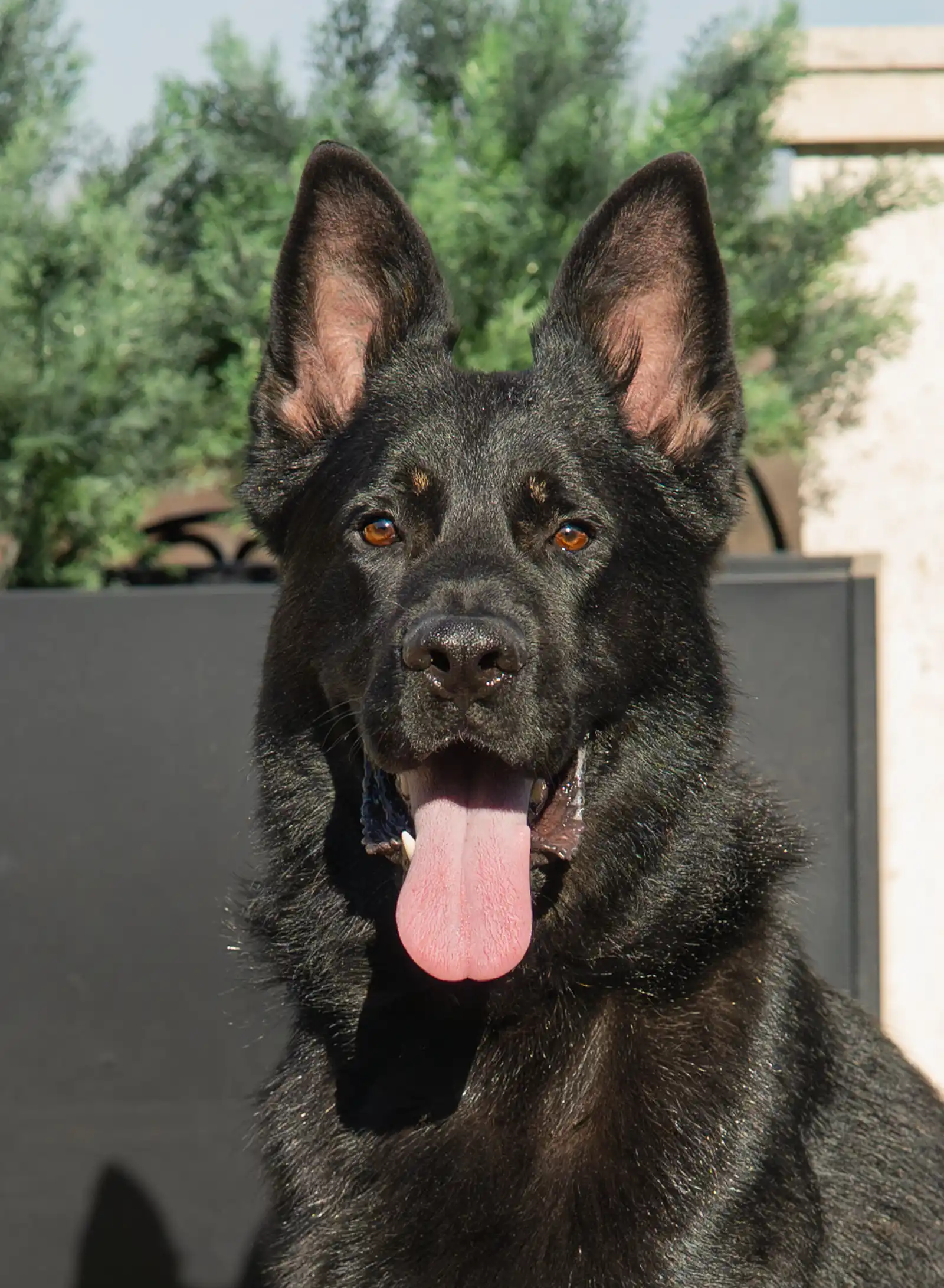
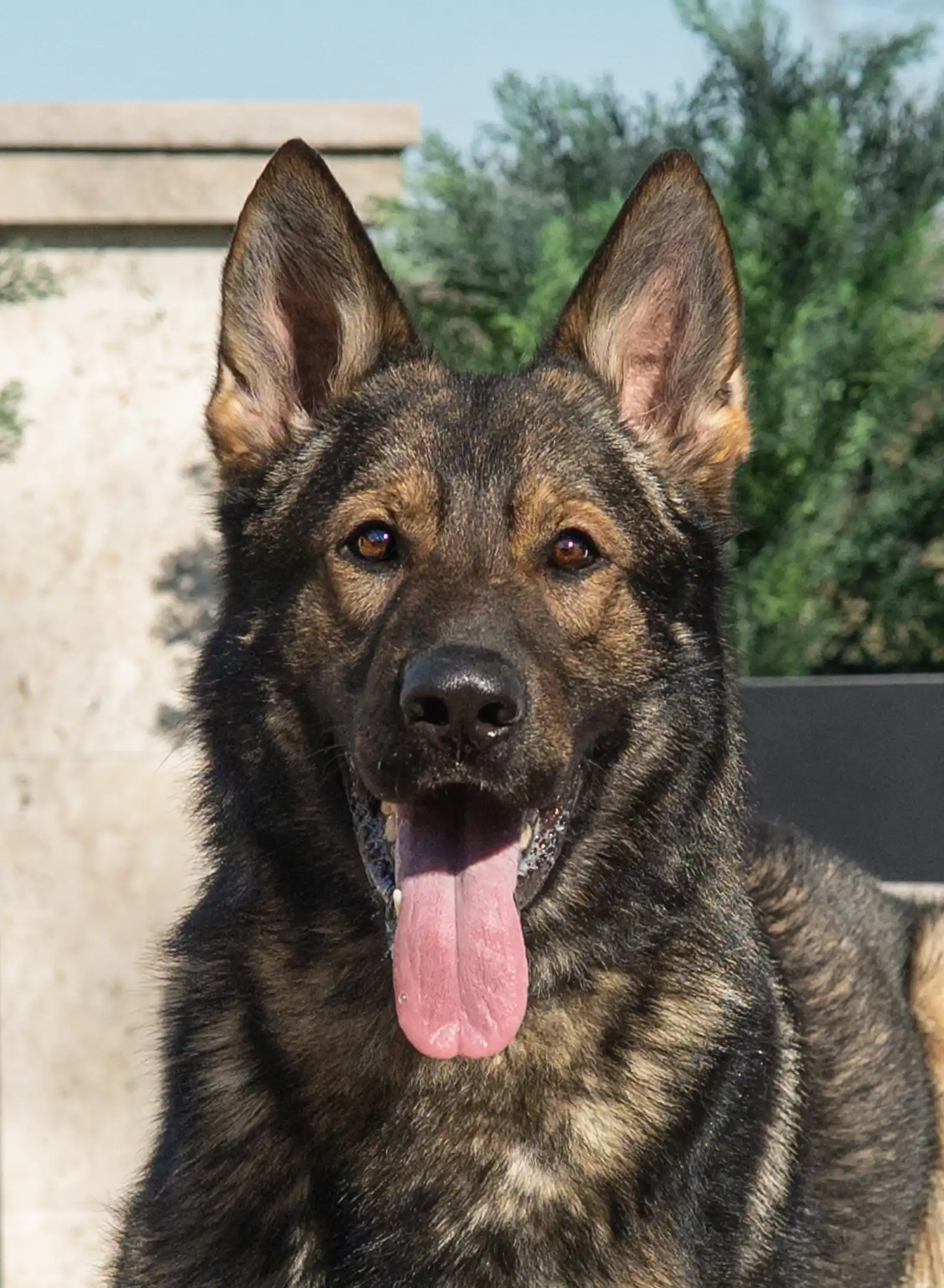
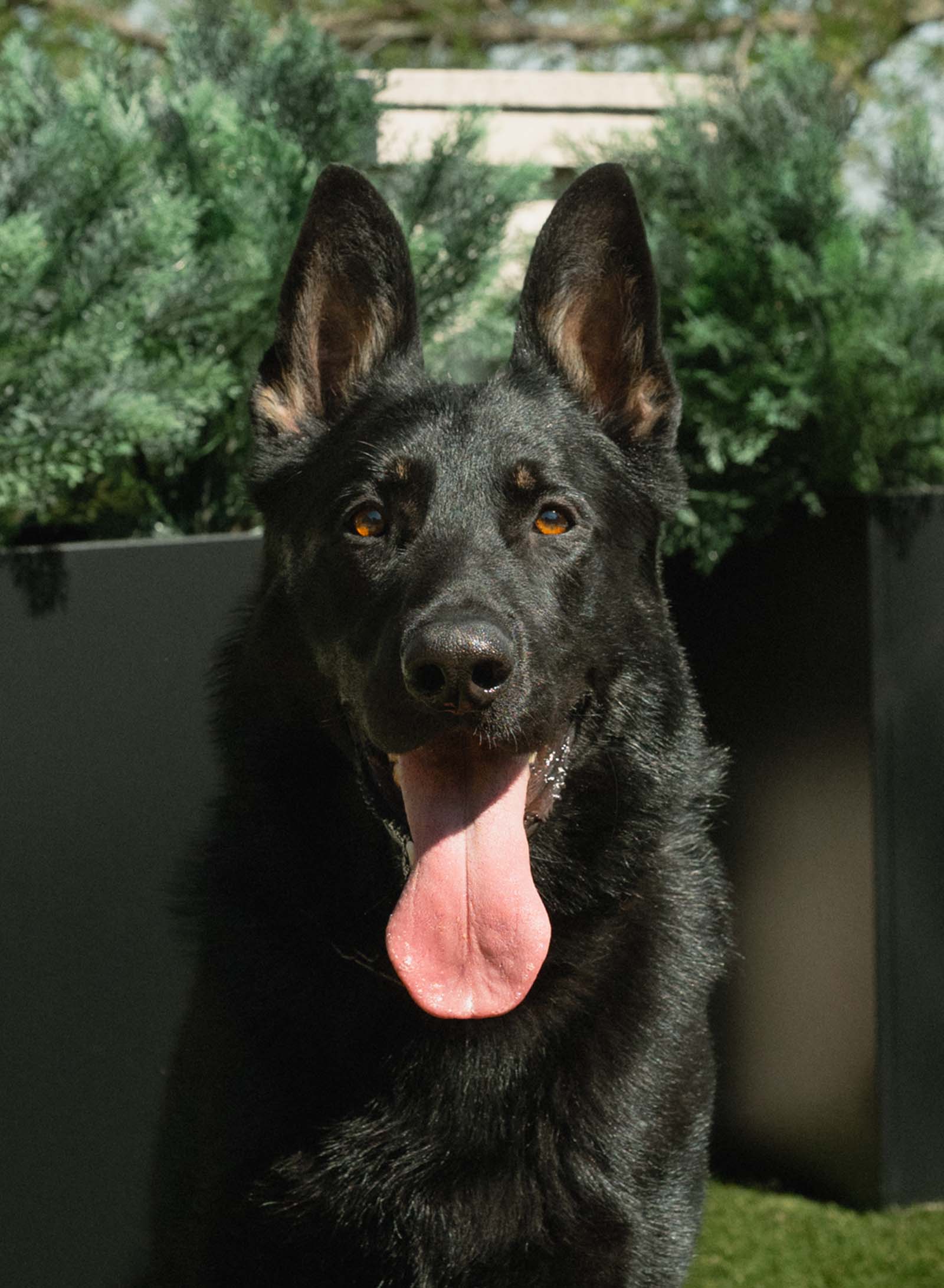
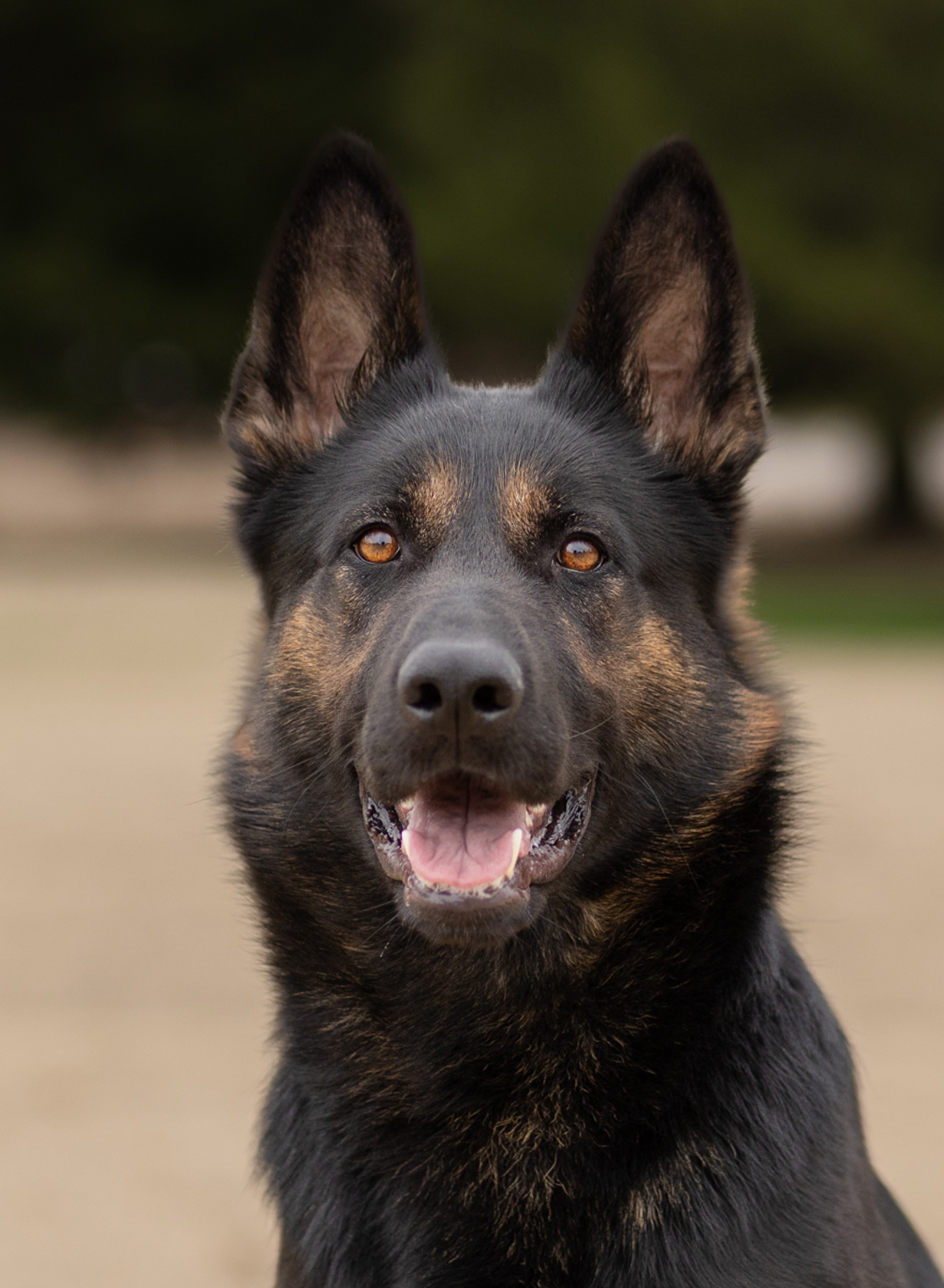
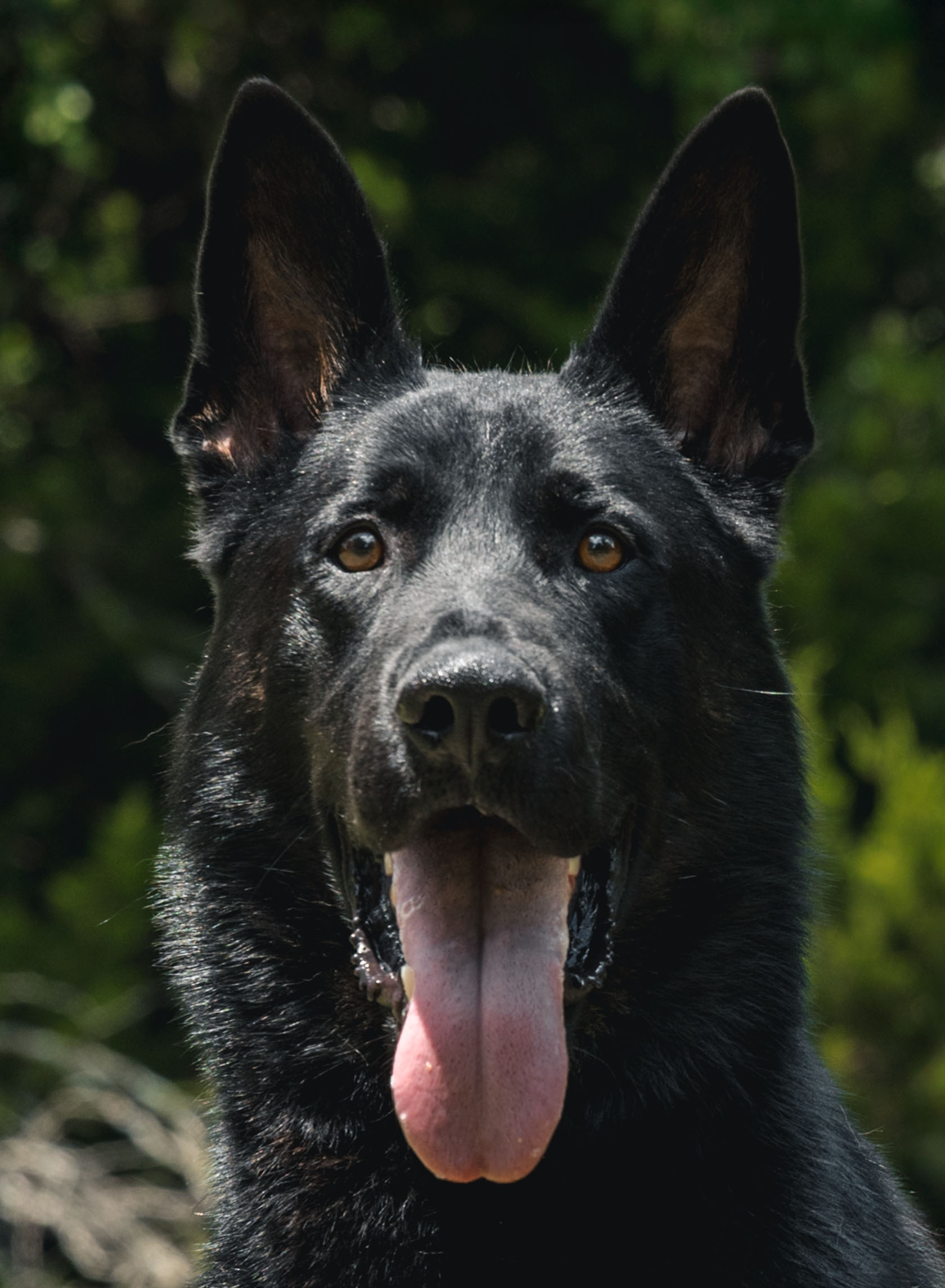
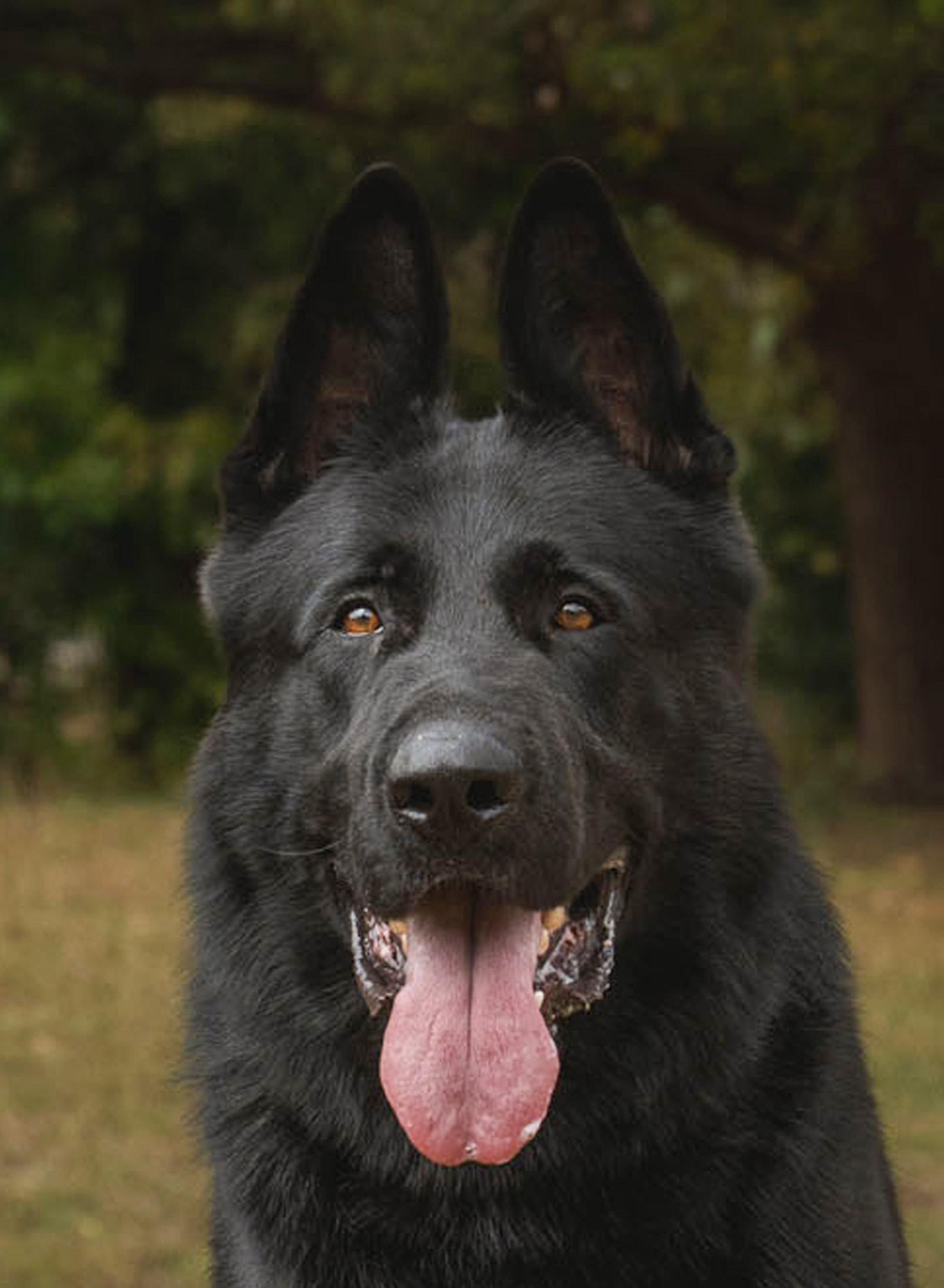
CPI develops a limited number of fully trained protection dogs at a time. The dogs shown here are the dogs currently being considered for placement. Availability changes as placements are completed and new dogs reach the appropriate stage of preparation.
A profile can help you begin to understand a dog, but it is not a substitute for a thoughtful recommendation. The right dog is the one whose temperament, energy, affection, control, and protection capability make sense inside your household.
You do not need to know which breed or individual dog is right for your household before contacting CPI. The consultation is designed to understand your lifestyle, family, property, and expectations before suitable dogs are recommended.
CPI helps identify the right fit based on lifestyle, family, property, and expectations. In many cases, that means presenting one dog whose character and preparation make the recommendation clear rather than asking the family to sort through a long list of options.
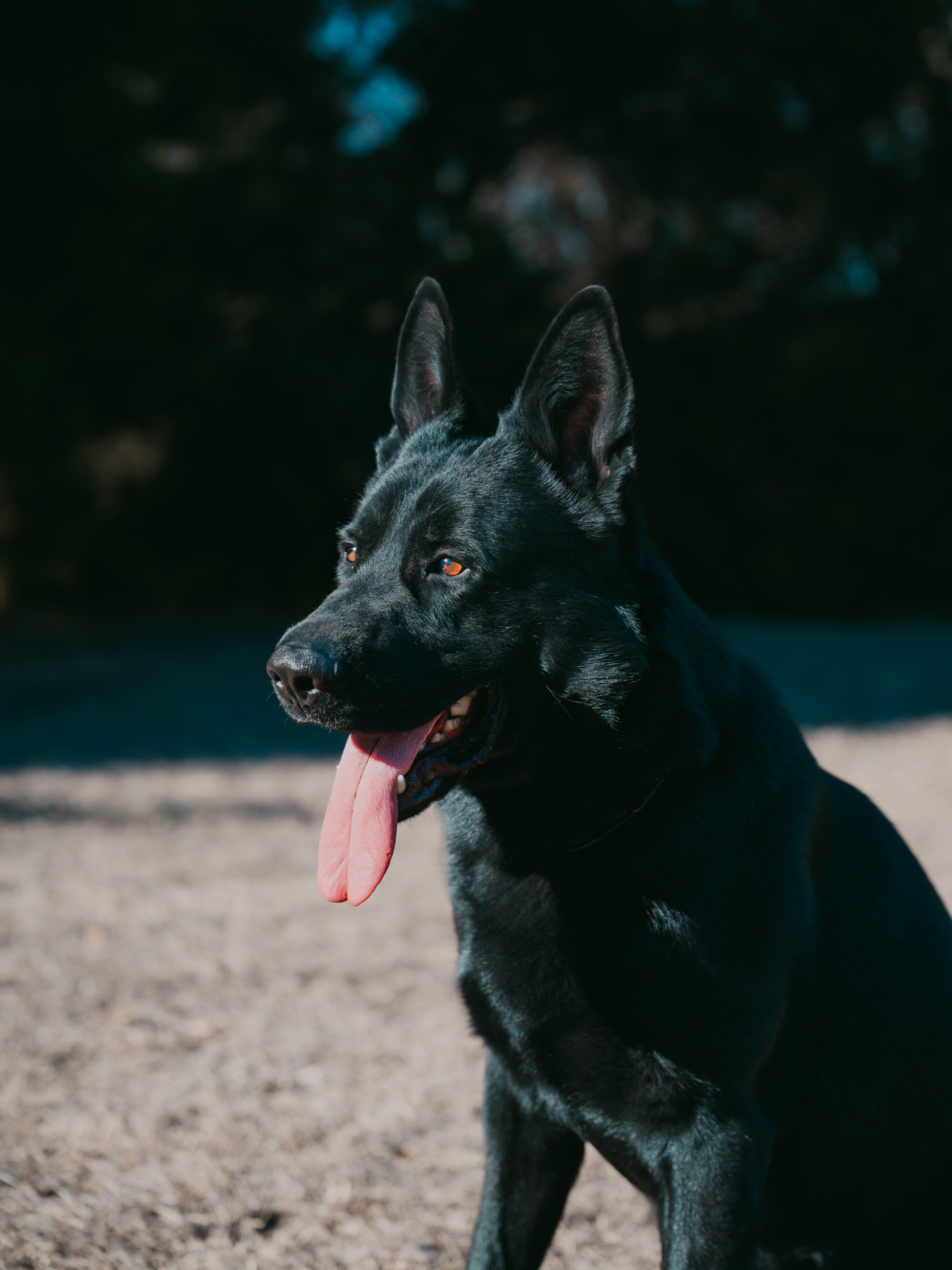
Control is easy to describe in an open training field. San Francisco reveals whether it exists when there is little extra room. The dog must know where its body belongs, how quickly to move, when to wait, and how to let ordinary people and dogs pass without turning proximity into conflict.
A garage door opens onto a sloped drive. A neighbor appears at the bottom of the steps. A dog walker approaches with several dogs. A delivery is made through a shared entry. The right dog can register each change while remaining physically and emotionally connected to the handler.
That connection is especially important when more than one person will handle the dog. A spouse, adult child, staff member, or professional dog walker may not have the same strength, timing, or relationship with the dog. The placement should account for that reality rather than assuming every handler can manage every dog.
Protection belongs in the household when the dog adds confidence without adding friction to every departure, arrival, walk, or set of stairs.
A large dog that rushes a threshold or leans into the leash can create a real physical problem on steep streets, exterior steps, and narrow interior stairs. The dog should wait, descend at a usable pace, and stay in a position that gives the handler balance and space.
This is not merely an obedience detail. It affects which individual dog is appropriate for the people who will handle it every day. Size, energy, movement, responsiveness, and natural consideration of the handler all matter.
San Francisco dog ownership often involves close passes. Another dog may appear around a corner, a jogger may move from behind, or a group may narrow the available path. A protection dog should not claim the sidewalk or require everyone else to create distance.
Neutrality allows the handler to maintain direction. The dog can see another animal or person, remain in position, and continue without staring, crowding, or building emotional pressure.
Some households rely on professional dog walkers, assistants, drivers, housekeepers, or other staff. That does not automatically mean every protection dog should be handled independently by every person.
CPI should know who will give commands, walk the dog, enter the home alone, or transport it. The individual dog and delivery plan can then be selected around realistic authority, strength, experience, and access.
A family may move between a San Francisco residence and a property in Belvedere, Tiburon, Ross, Hillsborough, Atherton, Woodside, or another surrounding community. The larger setting changes distance and access, but it should not change who directs the dog.
The dog should remain responsive near gates, grounds, vehicles, guests, staff, and other animals. Space should allow the family to live more freely, not encourage the dog to become independent or territorial without direction.

A protection dog should not need an empty room, a wide sidewalk, or a controlled demonstration to appear manageable. The dog should be able to enter a residence, wait through movement around a doorway, ride in the family vehicle, settle while conversations continue, and recover quickly after something unexpected.
That composure is not passive. It is what allows the dog to notice changes without treating every change as a problem.
CPI places a high value on obedience that the family can use naturally. Commands should be understood in a normal voice. The dog should move with the handler, respect thresholds, hold position, come when called, and disengage when directed.
The practical question is not how impressive control looks in a training video. It is whether the family can rely on it during an ordinary, imperfect day.
A CPI dog is trained to respond when directed and to stop when directed. Protection is not built around constant suspicion, uncontrolled territorial behavior, or the expectation that the dog should independently decide what every person intends.
The stronger standard is a dog with real capability that remains under family control before, during, and after the moment it is needed.
Breed alone does not determine whether a dog belongs with children, other animals, household staff, frequent guests, travel, or a particular activity level. CPI evaluates the individual dog and recommends the fit that makes sense for the people who will live with that dog every day.
For a family, the dog must be safe to include. That means affection without pressure, awareness without nervousness, and the ability to lower energy when the household becomes quiet. Children, grandparents, other pets, and regular guests are part of the placement discussion from the beginning.
Larger properties introduce distance, gates, service entries, contractors, outdoor spaces, and more than one place where daily life happens. CPI prepares the dog to remain connected to the handler rather than allowing the size of the property to create independent or uncontrolled behavior.
For a San Francisco placement, final preparation may include stairs, sloped entries, elevators, garages, narrow sidewalks, vehicles, other dogs, dog walkers, staff, children, pets, shared access, and movement between the city, Marin, and Peninsula residences.
Preparation can include vehicle behavior, thresholds, household boundaries, staff routines, other animals, office settings, and the places where the dog will be expected to settle. The objective is not a collection of tricks. It is a smoother first day and a clearer long-term relationship.
CPI personally delivers fully trained family and estate protection dogs. Delivery labor includes acclimation to the home and family, appropriate customization, and handling instruction. Travel expenses such as airfare, hotel, and vehicle rental remain the responsibility of the client.
The delivery is where training becomes your routine. Commands are practiced in the residence, around the property, and in the situations that matter to the household.
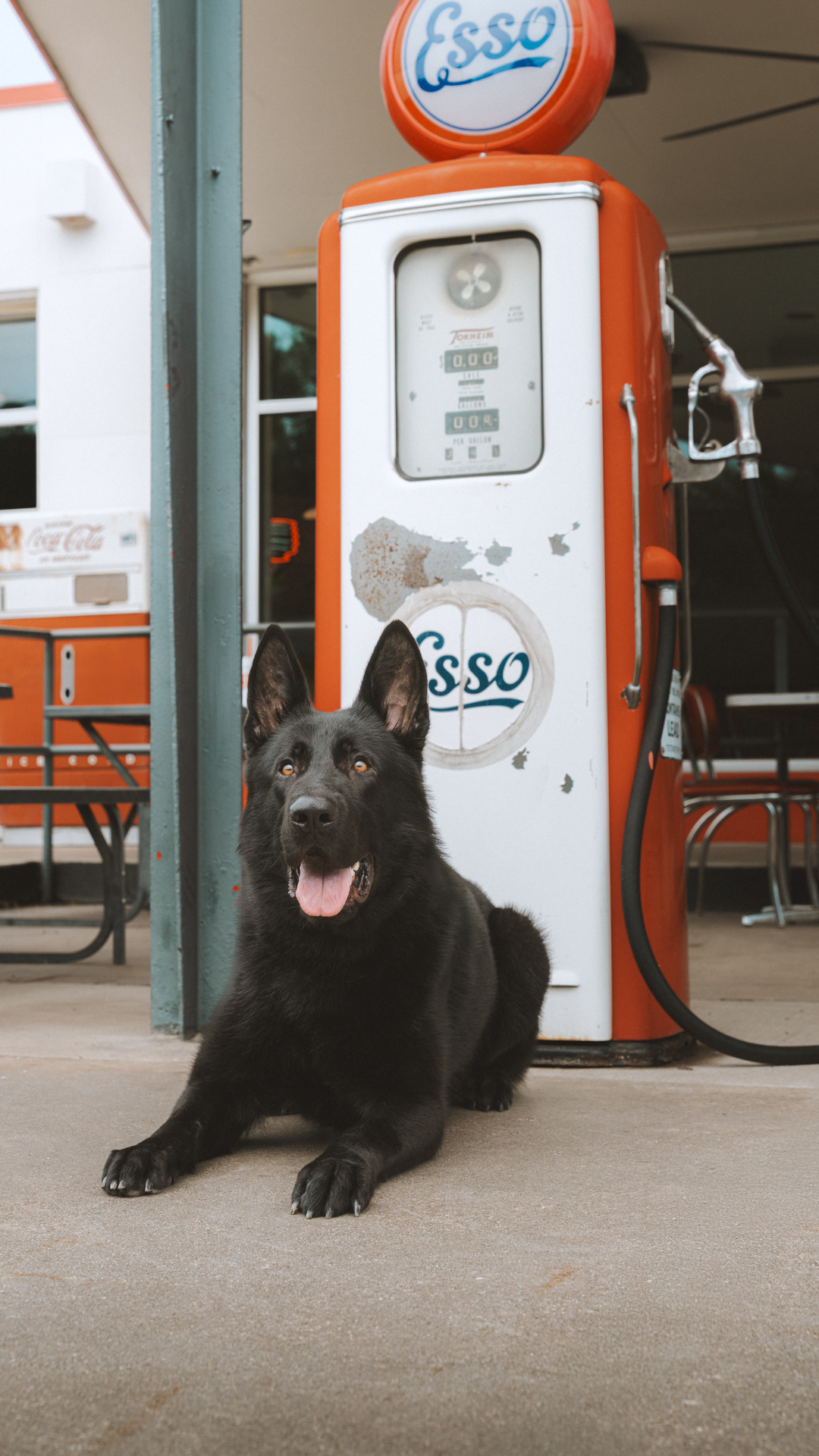
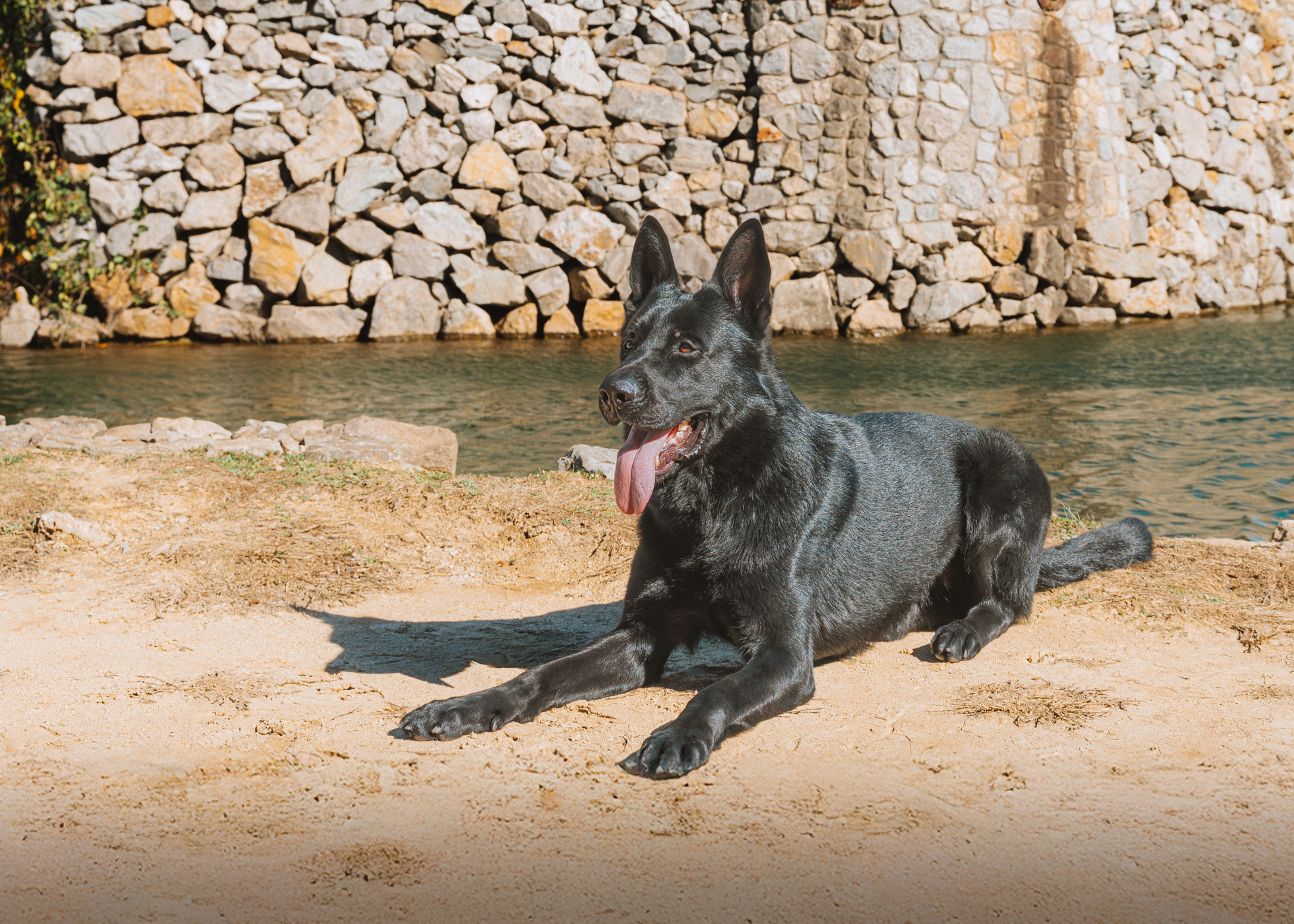
"We purchased 2 dogs from CPI (Brixton and Axel) both Germans. This company does a great job making sure the family & dogs are a good fit for each other and are always willing to help out with any issues or assistance that is needed with the dogs."
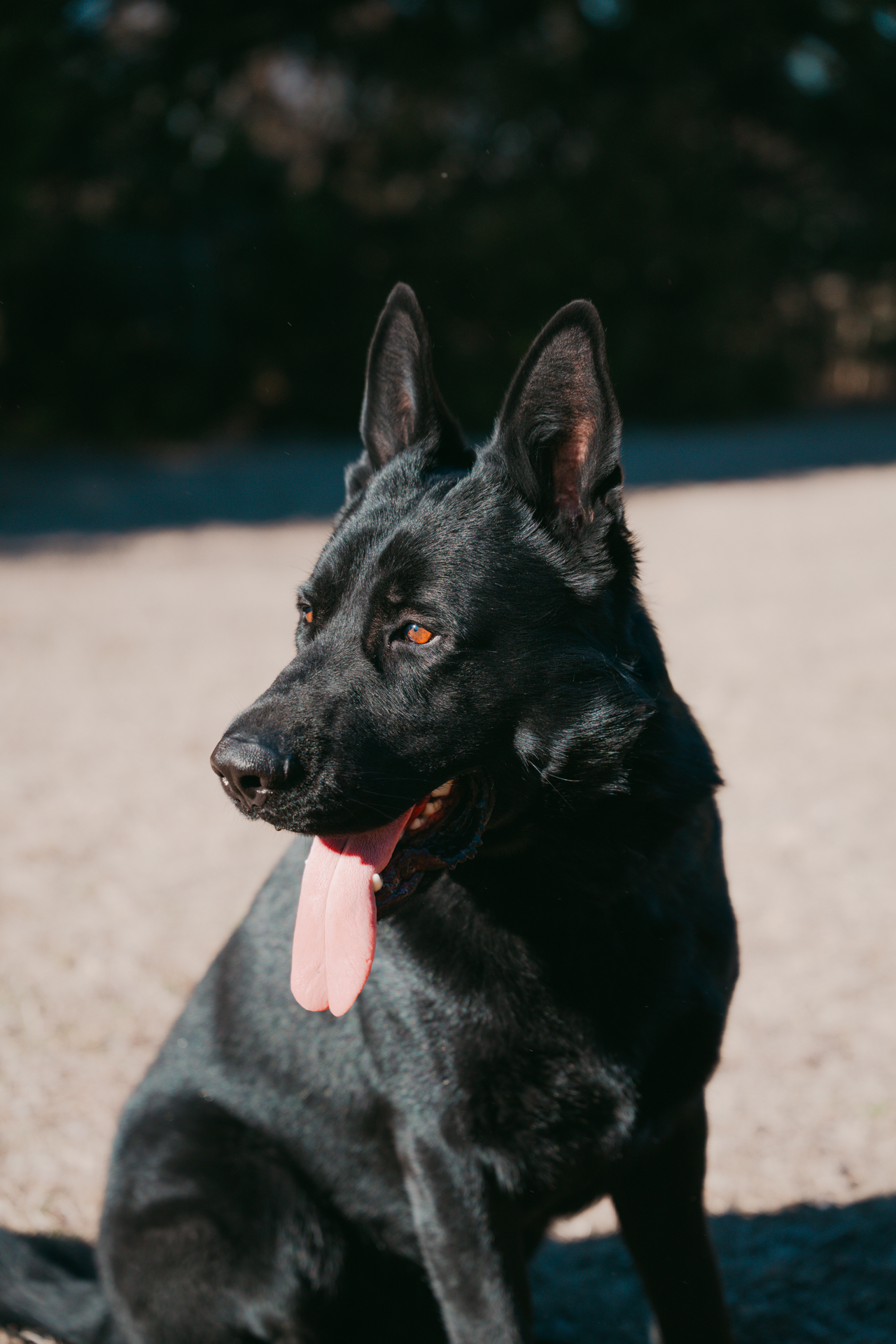
The first conversation is about the household, not a sales list. CPI asks who lives in the home, how the family spends its time, where the dog will go, what the property is like, which animals are already present, and what the family expects from protection.
CPI identifies the dog whose temperament, energy, size, social character, control, and protection capability best fit the requirements. The recommendation may be one dog or, when useful, a small number of carefully selected options.
Training continues around the details that will matter after placement. The objective is to reduce friction before the dog arrives rather than asking the family to reshape its life around the dog.
CPI brings the dog to the client, introduces the dog to the home and family, teaches the handling system, and works through the routines and environments that will become part of daily life.
Questions often become more specific after the dog has lived in the household. CPI remains available to help the family protect the clarity, consistency, and confidence established during delivery.
Canine Protection International operates out of a state-of-the-art, 2,400-square-foot facility on private grounds near Dallas, Texas. This environment allows us to personalize every dog’s training, ensuring they meet the highest standards of obedience and protection.
Our process begins in Europe, where dogs are hand-selected for their temperament, intelligence, and guarding instincts. Once they arrive at our facility, we focus on advanced training tailored to real-life scenarios. From family environments to high-stress situations, CPI dogs are prepared to excel in every setting.
CPI serves private clients across San Francisco and the surrounding Bay Area through consultation, individualized preparation, and personal delivery. The region includes compact city residences, staffed buildings, larger Marin properties, and Peninsula estates, each with different access, movement, and handling demands.
Within San Francisco, relevant areas include Pacific Heights, Presidio Heights, Sea Cliff, Cow Hollow, Marina, Russian Hill, Nob Hill, Noe Valley, and nearby neighborhoods. Marin placements may include Belvedere, Tiburon, Ross, Kentfield, Mill Valley, and surrounding communities. Peninsula and nearby estate settings may include Hillsborough, Atherton, Woodside, Portola Valley, Los Altos Hills, Palo Alto, and related areas when they are part of the client's real household pattern.
CPI serves the family rather than the ZIP code. The consultation focuses on who handles the dog, how the residence is accessed, where the family travels, which animals and staff are present, and what protection should feel like inside daily life.
The price of a fully trained CPI protection dog reflects the individual dog, the depth of preparation, the protection capability, and the requirements of the placement. It is not a local delivery fee attached to a standardized product.
The consultation is the appropriate place to discuss current dogs, expected investment, timing, travel, and any additional preparation the household may require. CPI includes the labor for personal delivery with its fully trained family and estate protection dogs. The client is responsible for related airfare, lodging, and vehicle expenses.
A family should understand not only what the dog can do, but also who selected the dog, who prepared it, who will deliver it, and who will answer after the placement is complete.
.jpg)
Protection work matters, but it should not be the only part of the dog a family evaluates. San Francisco clients should ask to see the dog move through the physical realities of daily handling.
Does the dog wait before stairs? Can it descend without pulling? Does it yield at a doorway, enter a vehicle from a tight garage, and remain neutral when another dog passes close by? Can it accept handling from the actual people who will be responsible for it?
At a larger property, can the dog remain responsive at a distance, accept authorized arrivals, and settle after activity? These are the behaviors that connect capability to a real household rather than a controlled demonstration.
The most useful proof is specific to the dog being considered. CPI can discuss the dog's history, temperament, public behavior, physical manageability, household experience, and current preparation so the family can evaluate the individual dog rather than a generic demonstration.
No. CPI first learns about your residence, stairs, shared spaces, vehicles, children, pets, staff, dog walkers, travel, activity, and protection expectations. That context is used to recommend suitable dogs.
The right dog can be, but size alone does not answer the question. Body awareness, pace, obedience, leash behavior, energy, responsiveness, and the strength and experience of each handler should all influence the individual match.
Possibly, depending on the dog and the person. Every regular handler should be disclosed before placement. CPI can evaluate the authority, experience, physical ability, access, and routines involved rather than assuming third-party handling will be appropriate.
Yes, when the individual dog fits both environments. CPI can prepare thresholds, vehicles, public manners, property boundaries, staff routines, other animals, and consistent commands across residences.
No. CPI is based in the Dallas area and lists its office in Frisco, Texas. San Francisco clients are served through private consultation, tailored preparation, personal delivery, and continuing guidance rather than through a local facility.
San Francisco requires dogs over four months old to have a current license and rabies vaccination. City rules generally require dogs to be leashed or tethered outside designated exercise areas. Clients should also confirm building, association, insurance, dog-walker, park, and additional-residence requirements.
Price depends on the individual dog, development, training, protection capability, and placement requirements. CPI discusses current dogs, investment, timing, and travel privately rather than publishing a generic San Francisco price.
CPI personally delivers the dog, acclimates it to the home and family, customizes appropriate details, and provides handling instruction. Delivery labor is included for CPI's fully trained family and estate protection dogs, while the client is responsible for related travel expenses.
The right protection dog for San Francisco should move through the city without taking it over. It should respect the handler's space, pace, and direction, then remain equally clear when the family reaches a quieter or larger property.
Tell CPI who will handle the dog, where the stairs and shared spaces are, whether a dog walker or staff member is involved, which animals live in the home, where the family travels, and what kind of presence feels natural inside the residence.
That conversation allows CPI to recommend the dog whose physical manageability, temperament, affection, control, and protection capability belong in the life the family already leads.



.png)
