Will an Adult Protection Dog Bond with a New Family? Yes — Here's How
Will an Adult Protection Dog Bond with a New Family?
Back to the Blog
Short Answer: Will an Adult Protection Dog Bond?
Yes. An adult protection dog can form a close, affectionate bond with a new family. At Canine Protection International (CPI), we select dogs that enjoy human connection and teach their owners how to communicate through familiar handling, praise, and affection. We often see that bond begin to develop by the second or third day of personal delivery. Raising a dog from puppyhood is not a requirement for a strong relationship.
One of the most understandable questions about a trained adult is whether it will still think of the trainer as its person. Families may imagine that the important relationship has already happened and that they will inherit only the trained behaviors.
That is not how CPI approaches a placement. The dog's preparation is intended to support a future life with its family. Delivery introduces the people to the dog's language, and everyday life gives them the opportunity to build a relationship of their own. For the full placement process, see our family protection dog buying guide.
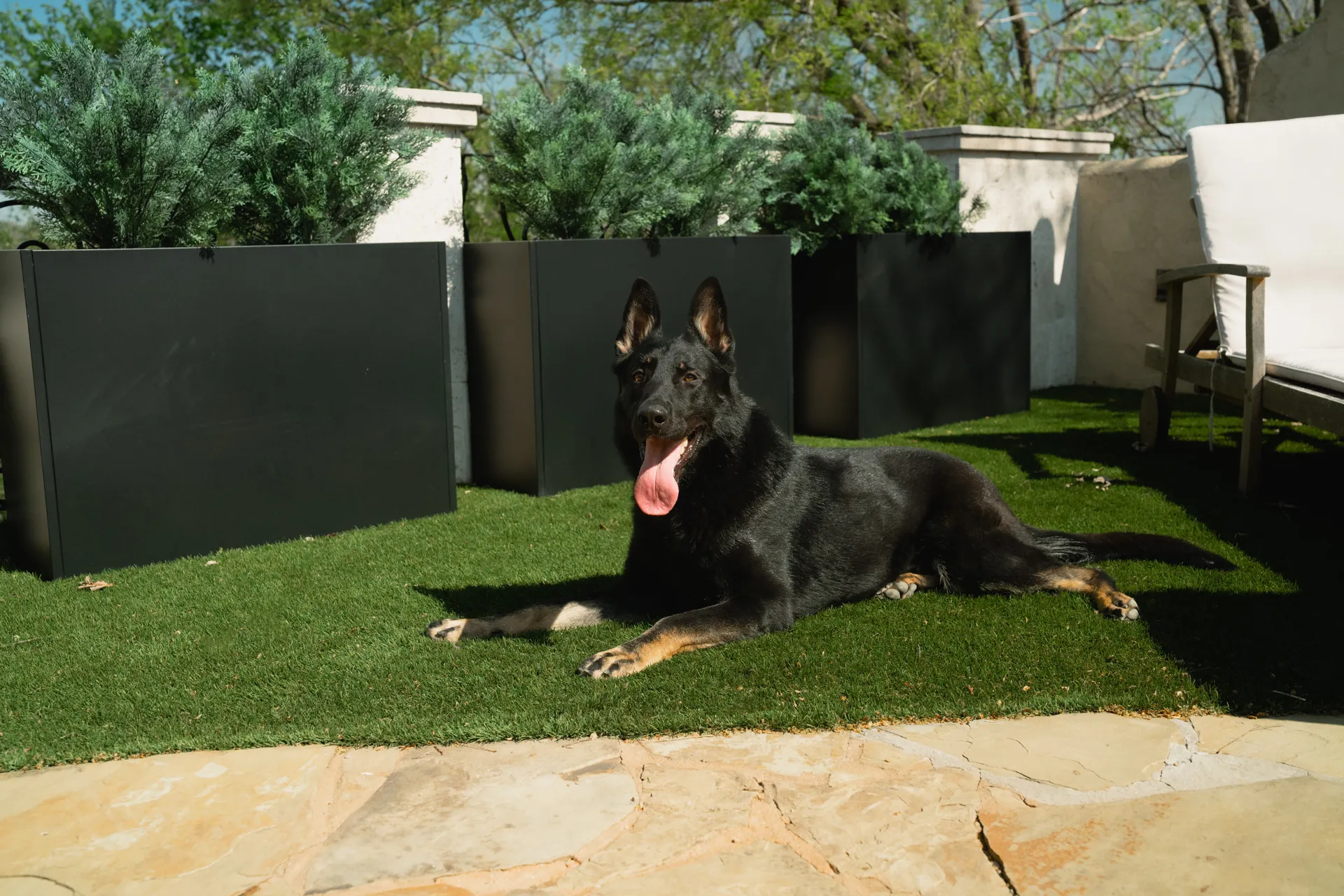
How an Adult Protection Dog Builds a Relationship with a New Family
A relationship develops through what the dog and people experience together. Daily care, shared activity, clear communication, affection, and quiet companionship all give the dog information about its new home. You do not need to recreate the trainer's personality to become important to the dog.
The American Kennel Club's discussion of adding an adult dog to a family addresses the misconception that adult dogs cannot bond with new owners. Age alone does not prevent a new relationship. For a protection placement, the additional task is transferring established handling so the family can communicate confidently from the beginning.
An adult protection dog can form new relationships
A good relationship with a trainer can be useful evidence that a dog enjoys human connection and responds to familiar handling. It does not use up the dog's ability to form other relationships. The relevant question is how the provider prepares the transition to the new people.
At CPI, we look for affection, social appropriateness, and natural responsiveness. Those qualities matter because the dog is joining a household, not just performing a job. The family's desired relationship is part of the matching conversation: how close they want the dog to be, what shared activities they enjoy, and how the dog will spend ordinary days.
The working-line German Shepherds and Belgian Malinois we select thrive on close bonds and human interaction. Shared activities, praise, and affection are important parts of their lives with us and with the families they join. Their desire for connection is one of the qualities we value in a family protection dog.
Why the Match Matters Before the First Meeting
At CPI, the relationship starts with understanding your family. We consider the dog's energy, handling needs, and style of seeking attention alongside the way you want to live together. A thoughtful match gives that relationship a strong foundation before the first meeting.
Consider two families. One wants a dog that spends much of the day near an adult working from home and joins regular quiet walks. Another wants a companion for a more active routine with frequent outings. Both can offer an excellent life, but they may value different qualities in a dog.
CPI's consultation covers the desired relationship as well as children, animals, property, visitors, and protection expectations. We usually recommend one dog, occasionally two when both are equally suitable. The recommendation should explain why the individual is likely to be enjoyable for the people who will live with it.
This is why you do not need to choose a dog from a photograph before contacting us. Appearance can attract your attention. A conversation about daily life helps establish a more meaningful fit.
Personal Delivery Makes the Dog's Language Understandable
A trained adult arrives with an established way of understanding and responding to people. When we talk about teaching clients to speak the dog's language, we mean more than the words used for commands. We mean the familiar handling and everyday interaction through which the dog receives direction, praise, and affection.
During CPI's three full days of personal delivery, Alex Bois explains the dog's background, commands, and expectations, then helps the family practice relevant handling. The whole family is welcome to participate, with instruction suited to each person's age, role, and comfort. As owners learn to communicate in ways the dog already understands, the bond can begin to develop very quickly. You do not need prior protection dog experience or professional training skills.
This is practical instruction for everyday life: moving in and out of the car, relaxing at home, welcoming visitors, and handling the dog in appropriate public settings. Our finished dogs perform without owners needing toys or treats; praise, affection, and clear communication are part of the familiar interaction we teach. We use toys and treats during development, then prepare the dog to work without depending on them.
Bonding is not a reason to postpone the training transfer. During delivery, CPI dogs perform their functional obedience and protection exercises while owners learn the handling, with protection work conducted under professional supervision. Feeling fully at home and learning the household's routine continue afterward, but the family should not have to wait for a deeper bond to access the dog's training. Our article on protection dog delivery and the first weeks at home explains that handover in more depth.
Affection and Clear Expectations Belong Together
Families do not have to choose between enjoying their dog and maintaining its training. CPI's approach includes praise, affection, and relationship as part of everyday handling. The dog should be a welcome presence in the home, not held at an emotional distance to preserve its working ability.
At the same time, affection works best within understandable routines. If one adult encourages a behavior and another discourages it, the dog receives conflicting information. Agree on the practical details with CPI and keep the household's approach consistent.
Consistency does not require every person to interact identically. A dog may enjoy different activities with different family members. What matters is that those relationships fit within the same basic expectations and do not create competing instructions.
Include ordinary quiet time
Not every interaction needs to be a lesson. Sitting together while the household settles for the evening, walking at an appropriate pace, or having the dog nearby during normal activity can be valuable parts of living together.
The purpose is to allow the new relationship to become familiar without making each moment a test. A family should be able to enjoy its dog while remaining attentive to the plan developed at delivery.
What Bonding Progress Can Look Like
Avoid measuring the relationship by one dramatic sign of attachment. A dog does not need to follow someone constantly or become distressed when separated to demonstrate affection. Comfortable, responsive participation in family life is a more useful thing to observe.
Notice the everyday moments that make the relationship feel natural: clearer handling, comfortable time together, and activities the dog enjoys with different family members. If you have a question, those specific observations help CPI offer useful guidance. There is no need to turn bonding into a daily scorecard.
These are conversation prompts, not a checklist your family must complete. Contact CPI whenever you have a question. We are happy to help you understand what you are seeing and keep the transition moving smoothly.
How Long Does Bonding with an Adult Protection Dog Take?
At CPI, we are often amazed by how quickly our dogs begin bonding with their new owners. By the second or third day of personal delivery, we often see a close connection already developing as the family becomes comfortable interacting with the dog and offering familiar praise and affection.
That early connection is a rewarding beginning, and the relationship continues to deepen through everyday life together. Each dog and family settles into its own rhythm. Our experience during delivery is an observation of how quickly a bond can begin, not a deadline for completing the transition.
As you settle into life together, notice whether handling feels more natural, the routine is working, and everyone has the guidance they need. CPI remains available to answer questions as the relationship grows.
Step-by-Step Guide to Supporting the New Relationship
Step 1: Tell CPI what companionship means to your family
Describe affection, activity, work schedules, travel, and the people who will be most involved. Be candid about experience and comfort around dogs. This helps the recommendation reflect the relationship you want, not simply the protection capability you requested.
Step 2: Participate in the handling transfer
The whole family is welcome to participate in CPI's three-day delivery. Adults who will regularly handle the dog practice directly with Alex, while other family members join in ways appropriate to their age and role. Ask questions and learn why the handling works. Clear, familiar interaction gives you and the dog a shared starting point.
Step 3: Keep the initial plan understandable
Use the communication and household expectations taught at delivery. Avoid adding new methods because of a video or advice from someone unfamiliar with the dog. Ask CPI before making a change that affects the established handling system.
Step 4: Build a life together beyond formal practice
Make room for appropriate exercise, care, affection, and quiet companionship. These are part of ownership, not distractions from it. Let different family members develop suitable shared routines while adults maintain responsibility for handling.
Step 5: Describe questions through specific observations
Whenever a question comes up, tell CPI what happened, where you were, and what you wanted the dog to understand. Alex or Abby can help clarify the interaction. You do not need to wait for a small uncertainty to become a problem before contacting us.
Step 6: Use lifetime support as the household evolves
Contact Alex or Abby whenever you have questions, including when work schedules, homes, family members, or travel patterns change. CPI's lifetime support helps you maintain clear communication and enjoy the relationship as your life together evolves.
Adult Protection Dog Bonding FAQs
Will an adult protection dog bond with a new family?
Yes. At CPI, we select adults that enjoy human connection and help the family build a relationship through familiar handling, praise, affection, and daily life together. A previous bond with the trainer does not prevent the dog from becoming an affectionate member of your family.
Do we need to raise a puppy to have the strongest bond?
No. Raising a puppy is not a prerequisite for affection or trust. CPI does not sell puppies; we prepare selected adults for family life and teach owners the communication the dog already understands. For the separate buying decision, see our comparison of a trained adult protection dog versus raising a puppy.
Will the dog prefer its trainer forever?
A dog can recognize and enjoy a familiar trainer while developing a close bond with its new family. At CPI, we prepare our dogs for that transition and teach you how to communicate with them. Recognition of Alex is not a rejection of you, and it should not be used to excuse a failure to transfer the training.
Can the dog bond with more than one family member?
Yes. At CPI, delivery includes the family members who want to participate, with age-appropriate guidance. Each person can enjoy a meaningful relationship with the dog while adults share consistent expectations and responsibility for handling. The dog does not have to be solely one person's companion.
Does affection reduce protection ability?
CPI selects for dogs that can be affectionate companions and capable under clear handler direction. Withholding warmth is not the goal. Follow the handling and household guidance provided at delivery so affection and understandable expectations support the relationship together.
How many days should bonding take?
At CPI, we often see a bond beginning to develop by the second or third day of personal delivery, as new owners learn the dog's familiar communication and share praise and affection. That is our firsthand experience, not a fixed timetable for every dog. The relationship continues to deepen through daily life together.
What if one adult is less confident with the dog?
No previous protection dog experience is required. Tell CPI about each person's comfort level during consultation so Alex can tailor delivery instruction. We guide owners through practical handling and remain available afterward whenever a question comes up.
Should we change the commands to make the dog feel like ours?
Not without discussing it with CPI. The existing language is part of the dog's preparation and the family's handling transfer. A close relationship comes from living together, not from changing cues. Consistent communication helps you enjoy the dog with less confusion.
A New Family Can Become Home
An adult dog's earlier life is not a barrier to a meaningful future with you. With the right match and a clear introduction to handling, the family can begin building the relationship it hoped for through the life it shares with the dog.
To discuss the companionship and preparation that would suit your household, request a private consultation with CPI.