
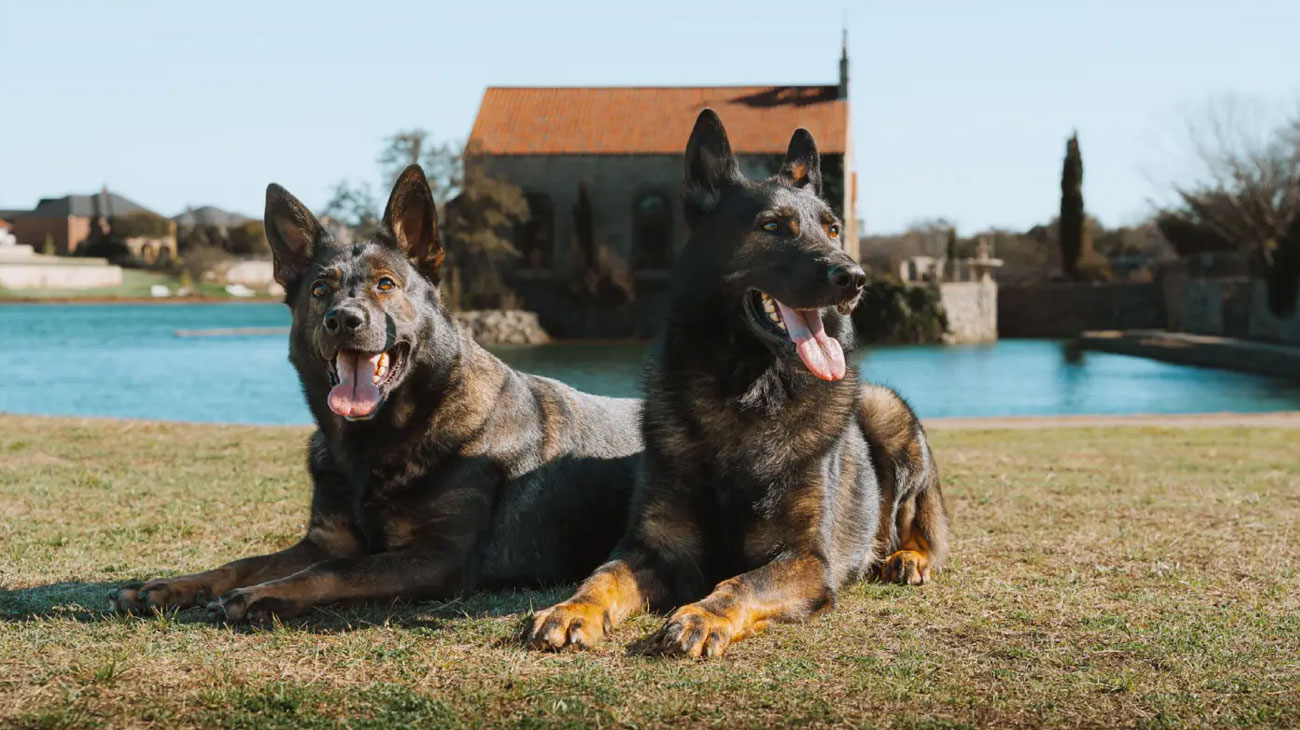
TL;DR: When evaluating big protective dog breeds, size alone does not determine real-world protection ability. This guide explains how genetics, temperament, and obedience training matter more than sheer mass when choosing the right protective dog for your family.
When people search for big protective dog breeds, they’re often imagining an imposing presence — a powerful, muscular dog that deters threats simply by standing at the end of the driveway. Size certainly matters in the world of protection. But in real protection scenarios, ability matters more.
So what truly defines effective protection dog breeds? Is it weight? Height? Bark volume? Or is it temperament, training, and nerve strength?
Let’s explore the difference between size and skill, and answer the common question: what is the best dog breed for protection?
It’s easy to assume that the largest of the big guard dog breeds automatically make the best protectors. Dogs like mastiffs, cane corsos, and other massive breeds certainly have intimidating size.
But intimidation alone does not equal protection.
A true protective dog must have:
A 130-pound dog that panics under pressure is far less effective than a 75-pound dog with balanced drive and proper obedience training.
When evaluating guard dog breeds, there are three essential components:
The dog must come from working lines with proven stability and protective instinct.
Even the most naturally protective dog must undergo structured obedience training and scenario-based exposure.
The dog must be safe in daily life yet decisive in real threats.
The best protection dogs are not reactive. They are controlled, confident, and trained to engage only when necessary.
There are real benefits to choosing from among the top big protective dog breeds:
Large dogs discourage confrontation before it begins. Many threats are avoided simply because of visual presence.
In the rare event of physical engagement, larger dogs often have more physical leverage.
Criminals frequently avoid homes with large, confident dogs.
However, large size without structure and training does not create a great guard dog.
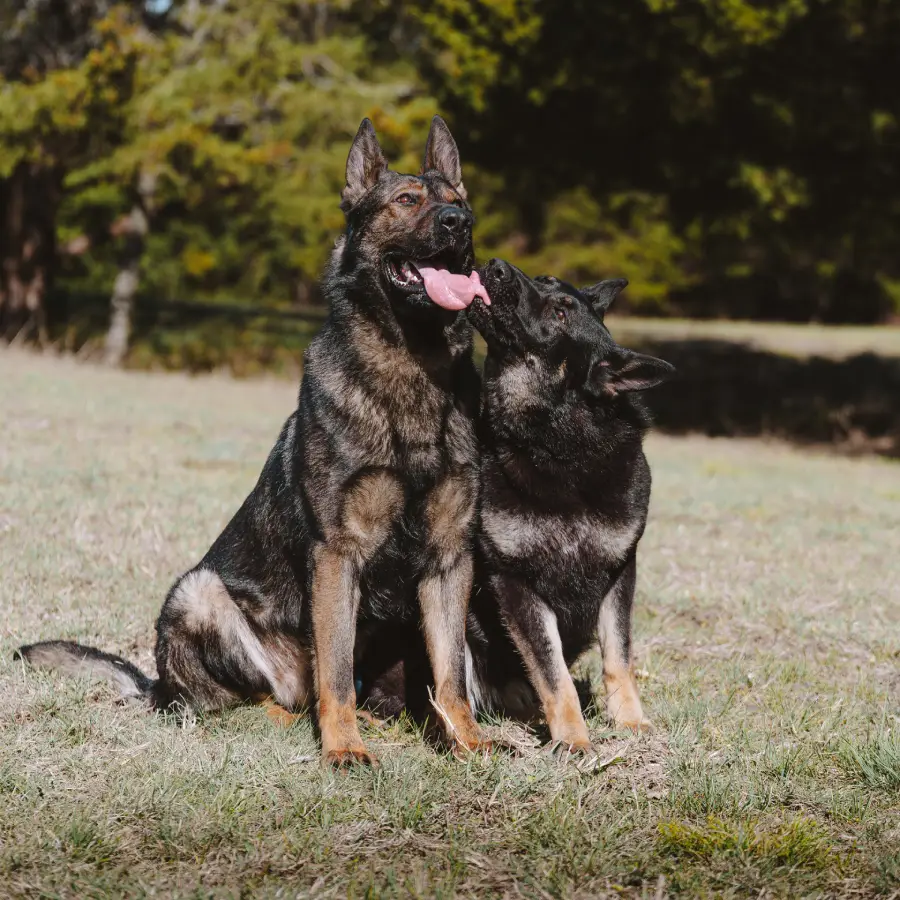
When asking what is the best dog breed for protection?, one name consistently rises to the top: the German Shepherd.
Why?
The German Shepherd has been used for over a century in:
Unlike many giant breeds, the German Shepherd balances:
They are large enough to deter, yet agile enough to respond quickly. Properly trained, they are both loving family companions and highly capable protection dogs.
For many families seeking the best medium to large size family protection dog, the German Shepherd remains a top choice.
Another standout among protection dog breeds is the Giant Schnauzer.
Originally bred as a working farm and guard dog, the Giant Schnauzer combines:
While not as commonly seen in mainstream households as the German Shepherd, they are often selected by experienced handlers seeking a powerful, confident protective dog.
Their size provides deterrence, but their true strength lies in trainability and mental sharpness.
An important distinction in real-world protection planning is this:
Is bigger always better than medium?
In many professional environments, medium size protection dogs outperform extremely large breeds. Why?
Medium-to-large athletic dogs move faster and fatigue less quickly than giant breeds.
They are easier to handle, transport, and manage in tight spaces.
Many giant breeds have shorter life spans and higher orthopedic risks.
For families seeking daily companionship plus real security, the best medium to large size family protection dog often falls between 65–95 pounds: large enough to deter, but agile enough to function.
There is no universal answer.
The best breed depends on:
However, the breeds most frequently selected for professional protection work include:
These breeds combine physical presence with proven working genetics and high trainability.
In contrast, some big guard dog breeds may excel at property deterrence but lack the structure and nerve required for controlled personal protection scenarios.
No discussion of protection dog breeds is complete without emphasizing training.
A large dog without obedience is a liability.
Effective protection dogs must demonstrate immediate recall, controlled engagement, environmental neutrality, stability around children, and clear off-switch behavior.
Advanced obedience training ensures the dog responds to command, not emotion.
This is what separates a reactive animal from an excellent guard dog.
Most confrontations are avoided when a confident, well-trained dog steps forward with authority. This is why both large and medium-sized working breeds can serve effectively.
The key question isn’t simply size; it’s ability.
A properly trained 80-pound working-line dog with clear-headed drive is often more capable than a 140-pound dog lacking structure and discipline.
If you’re evaluating big protective dog breeds, consider these questions:
For many families, the ideal balance lies in athletic, medium-to-large working breeds, and not necessarily the largest available option.
The best medium to large size family protection dog will be:
There’s a reason the same breeds dominate professional security, military, and police work year after year. Real protection demands nerve, training, and genetic stability, and not just physical size.
Yes, big guard dog breeds provide visual deterrence. But the most reliable protection dog breeds combine:
When evaluating big protective dog breeds, remember: size may stop a threat at a distance, but ability handles it up close.
In protection, confidence beats bulk, and training transforms both into a true guardian.
Check out our list of available protection dogs!

.png)
