Are Protection Dogs Good with Kids? What Families Should Know
Are protection dogs good with kids? Yes — when properly selected and trained. Learn how family protection dogs live safely with babies, toddlers and teens.
Back to the Blog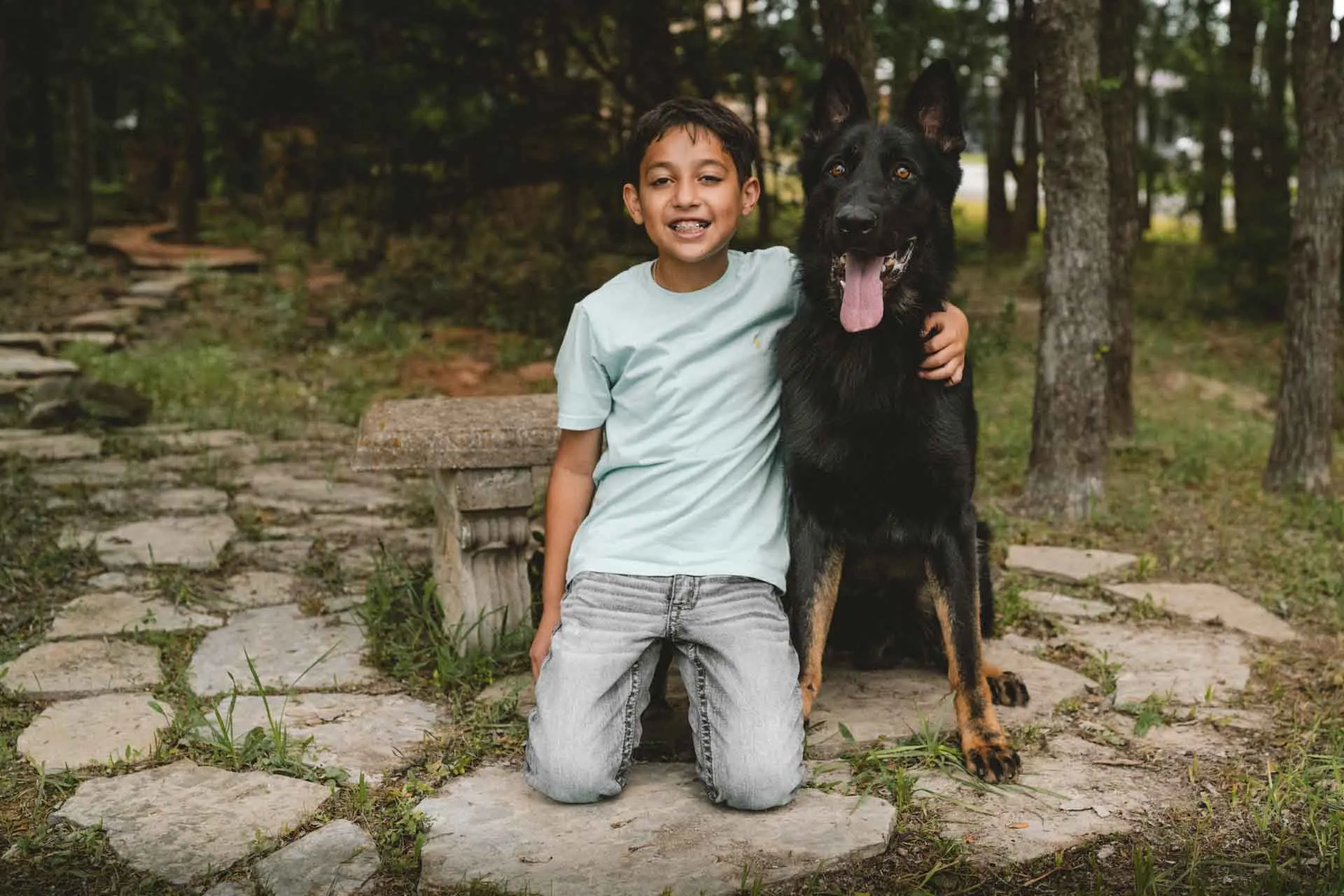
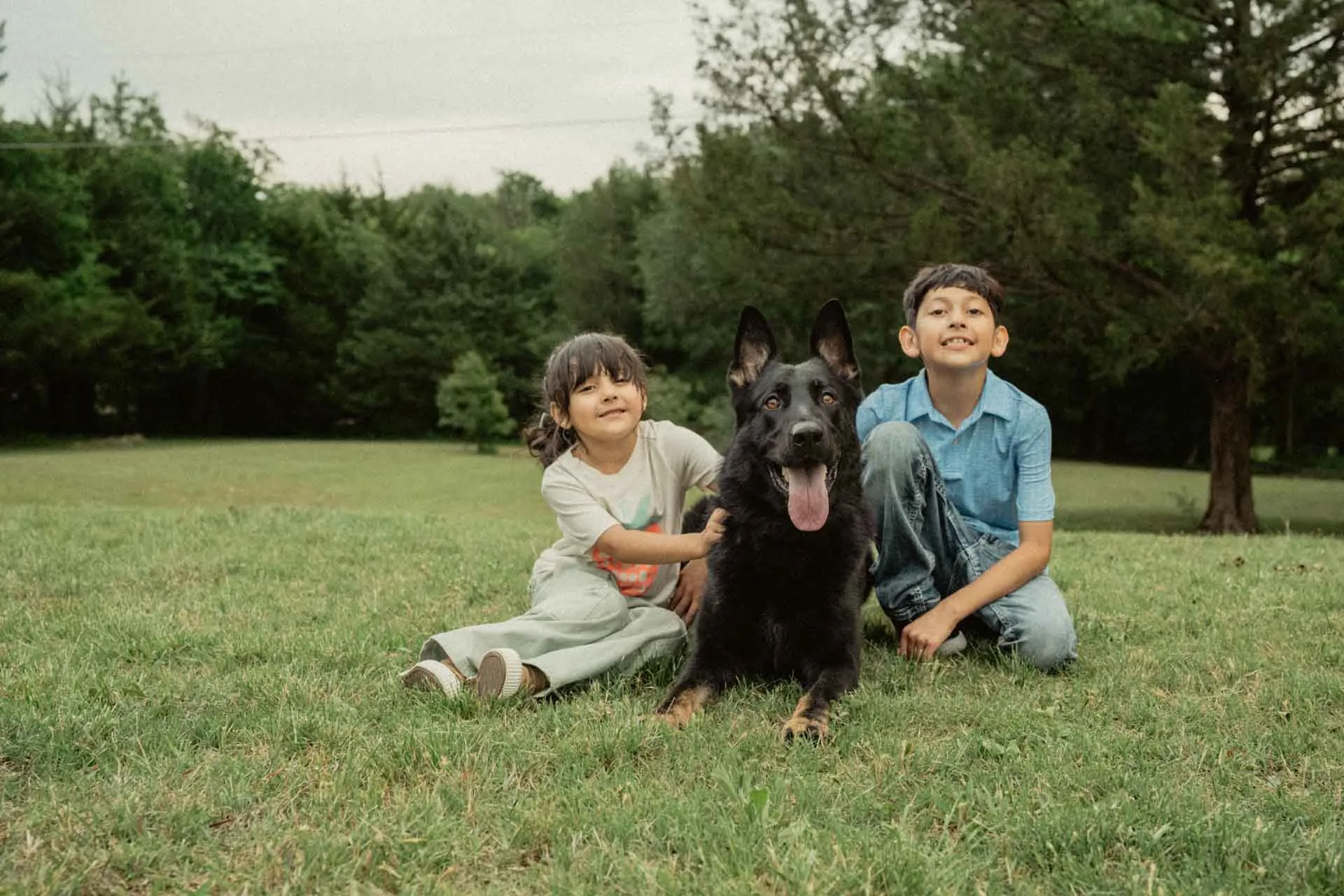
Short Answer: Are Protection Dogs Good with Kids?
Yes. Family protection dogs can be very good with children when properly selected, trained, and managed. Canine Protection International (CPI) selects for family temperament and matches each dog to the household, including children now and plans for the future. A baby on the way is entirely compatible with that process. Adult supervision and respectful interaction remain part of everyday life with any dog.
A family protection dog should be a companion your children enjoy having at home. Families want affection, calm everyday behavior, and handling that feels natural. At CPI, those qualities are central to the recommendation, whether your children are already part of the household or you are preparing to become parents.
At Canine Protection International, the dog is A Family Member First, with serious protection available through clear handler direction. That principle shapes selection, preparation, matching, and delivery. Our family protection dog buying guide explains how these parts work together.
What Makes Protection Dogs Good with Kids?
The answer begins before the dog meets your children. Selection identifies a suitable underlying temperament, and daily evaluation shows how that temperament carries into family life. Training builds on that foundation with clear communication and control. CPI considers those qualities together when recommending a dog.
At CPI, a candidate must be confident, socially appropriate, affectionate, and naturally responsive to its handler. We look for a clear shift toward calmer behavior around children. The dog's ability to enjoy ordinary family life matters alongside its working ability.
Why are properly selected protection dogs good with kids?
“Good with children” should mean more than a photograph beside a child. Ask about the dog's experience: the ages of the children it has known, the environments involved, the behavior observed, and how consistently it has shown the qualities being described.
The details help us match thoughtfully. Life with toddlers includes different movement and routines from life with older children. We consider the experience the dog has had, its observed behavior, and the household it will join so we can explain why that individual is a good fit.
CPI's entry standard includes being raised in a real family environment with experience around children. Evaluation continues throughout development, and only dogs that continue to meet our family-suitability standard are considered for placement. That ongoing judgment is part of the preparation behind our recommendation.
Matching the Dog to Your Family — Now and in the Future
Your children's ages, confidence, activity, and ways of interacting with animals help determine the right fit. We also consider the adults' schedules, the home's layout, and the other people and animals who share the space. If you are expecting a baby or planning to have children, that belongs in the conversation from the beginning.
Explain what an ordinary day looks like. Do children arrive home with friends? Is there a nanny or another regular caregiver? Are there very young relatives who visit? Does the family travel with the dog? A thoughtful consultation makes room for these details before recommending an individual.
Babies and toddlers can be part of the household
A properly selected family protection dog can be a calm, affectionate presence in a home with babies or toddlers. Adults guide the relationship through supervised time together and a routine that gives both child and dog appropriate space and attention. As with any family dog, the adults remain responsible for the child’s care and supervision.
CPI considers the dog's size, energy, and style of showing affection as part of that match. The aim is a dog whose everyday companionship suits your family, with handling you understand and can use comfortably. Personal delivery gives us time to work through the routines in your own home.
Older children can participate appropriately
Older children may enjoy learning about the dog and taking part in suitable care or obedience activities under adult guidance. Participation should reflect the individual child's maturity and the trainer's assessment, not simply a birthday or confidence with a previous pet.
During delivery, families can discuss who should practice which everyday routines. Adults remain responsible for protection handling and for the decisions that accompany it. A child does not need to direct protection work to have a close, affectionate relationship with the dog.
Can You Get a Family Protection Dog with a Baby on the Way?
Yes. A baby on the way is absolutely fine when planning a CPI placement. We select the dog with your growing family in mind, rather than matching only to the household as it is today. You do not need to have children already for future family plans to shape our recommendation.
Tell us about your expected timing, who will care for the dog, and how your household may change. Those details help us consider temperament, energy, everyday handling, and the timing of delivery together. A calm, affectionate dog that suits life with a young family is the objective; we make the individual recommendation around that life.
If you welcome another baby after placement, the relationship with CPI continues. Owner and head trainer Alex Bois and lead trainer Abby remain available through lifetime support to discuss preparation and changes in routine. Planning ahead helps us support the next stage of family life with you.
Protection Training Should Support a Calm Family Life
A properly prepared family protection dog does not need to behave aggressively during ordinary interaction to retain its capability. CPI's standard includes calm behavior at home, manageable responses to non-threatening people, and clear handler direction.
That distinction matters when reviewing training videos. Look for the transitions into and out of work, not simply the intensity of the exercise. The ability to release, disengage, and return to calm helps explain the control model behind the training.
It is also important to see ordinary life. Ask to understand how the dog behaves when there is nothing to perform: resting while people talk, accompanying a handler through a home, or settling after activity. Those observations are directly relevant to a family whose relationship with the dog will mostly be companionship.
Our guide to evaluating protection dog training videos explains what a complete sequence can show and what still needs to be discussed with the trainer.
Everyday Situations to Discuss Before Placement
Thoughtful matching accounts for these ordinary parts of family life before placement. The aim is straightforward handling and a dog you enjoy including in the household, with practical guidance as children grow and routines change.
Simple Routines That Support Children and Dogs
Responsible management means adults remain attentive, interactions are appropriate, and the dog is treated respectfully. Children should allow a dog to rest and eat undisturbed, and should not climb on it, corner it, or prevent it from moving away. If an adult cannot actively supervise young children with the dog, use appropriate separation.
Dogs Trust's guidance on dogs and children provides useful general advice on attentive supervision, respecting space, and recognizing when a dog needs a break. These are sensible principles for family dogs of any training background.
For a CPI household, the details should be discussed with Alex during delivery. Which adults handle the dog? What should a caregiver do when visitors arrive? Where can the dog settle comfortably when the home is busy? Practical answers matter more than simply telling a family to “be consistent.”
You can contact CPI with everyday questions as well as changes in routine. If an interaction becomes uncomfortable, give the dog and child space and ask for guidance rather than testing the dog’s tolerance. A sudden change in behavior or physical comfort also deserves veterinary attention.
Guests and Children's Friends Are Part of the Picture
Children's friends, playdates, and family visits belong in the matching conversation too. Tell CPI how often children visit and what those afternoons usually look like. We consider social appropriateness and everyday control when recommending the dog, then explain the handling that supports those routines.
For example, a quiet visit after school and an energetic birthday gathering may involve different routines. The dog can be included appropriately or enjoy a comfortable break while the adults manage the gathering. These are ordinary household choices, not reasons to give up the social life your children enjoy.
The same principle applies when a nanny, relative, or housekeeper is responsible for the home. Everyone with a regular role should understand the relevant routine. Our article on other animals, guests, and household staff looks more closely at those shared responsibilities.
Step-by-Step Guide to Choosing a Protection Dog for Families with Children
Step 1: Describe your household and future plans
Share your children’s ages, household routines, other animals, and regular caregivers. Include a baby on the way or plans to have children, even if the timing is not yet settled. The recommendation should reflect the life you expect to share with the dog, as well as your life today.
Step 2: Ask about the candidate's experience with children
Request specific observations and context. Find out what the dog has experienced, how it behaved, and why those observations are relevant to your children. Avoid treating a single image or a broad description as a complete answer.
Step 3: Evaluate temperament and control together
Look for affection, composure, responsiveness, and the ability to settle. Review protection control separately and completely. A strong working demonstration should add to the evidence of suitability, not distract from unanswered family-life questions.
Step 4: Involve the adults who will share responsibility
Include the meaningful decision-makers and discuss regular caregivers. The dog benefits when the household understands the same expectations. Raise differences in comfort or experience before placement so instruction can address them.
Step 5: Use personal delivery to learn your dog
Alex spends three full days with the family during delivery, teaching handling and helping the dog acclimate to the home and everyday settings. Family members who want to participate can do so in ways appropriate to their age and role. Use that time to practice the routines you will share and ask questions, including how to prepare for an expected baby.
Step 6: Keep the conversation open as life changes
Children grow, families travel, and household routines evolve. CPI provides lifetime support so clients can continue to ask questions and seek guidance from Alex and Abby. Planning for a growing family begins during selection, and the conversation stays open after delivery.
Protection Dogs and Kids FAQs
Are protection dogs good with kids?
Yes. Family protection dogs can be very good with kids when properly selected, trained, and managed. CPI prioritizes affectionate family temperament, clear handling, and a match that considers children now and in the future. Adult supervision and respectful interaction help children and dogs enjoy that relationship.
Can a protection dog be affectionate with children?
Yes. Affectionate companionship is part of CPI's family-first standard. We look for dogs that are enjoyable to live with and socially appropriate, while retaining serious capability under handler direction. A dog's ability to protect does not require distance from the family.
Is one breed automatically the best choice for children?
No breed label can replace evaluation of the individual dog. Temperament, energy, physical size, handling qualities, and the family's routines all affect suitability. CPI begins with the household and recommends the dog that fits, rather than requiring the family to choose a breed first.
Can my child handle the dog?
Appropriate participation depends on the child, the dog, the activity, and professional guidance. Children can build a relationship through suitable everyday interaction without taking responsibility for protection handling. Adults should discuss participation during delivery and remain responsible for the dog's management.
Can a family protection dog fit a home where children’s friends visit?
Yes. Regular playdates and visiting children can be part of the household CPI considers during selection. Tell us about the visitors and activities your family enjoys. We evaluate the individual dog’s suitability and explain arrival, settling, and adult-supervision routines during delivery.
How can children build a good relationship with the dog?
Through calm, enjoyable interaction suited to their age, with adult guidance. Teach children to let the dog rest and eat undisturbed and to respect its space. There is no need to test the dog’s tolerance by taking food or provoking it. CPI can explain suitable everyday activities during delivery.
Can we get a protection dog if we are expecting a baby?
Yes. A baby on the way is absolutely fine when planning a CPI placement. CPI considers future children during selection, not only the household today. Share your plans so the dog recommendation, delivery timing, and handling instruction reflect your growing family. Lifetime support continues if you welcome another baby after placement.
Do we need to choose a dog before speaking with CPI?
No. CPI begins by getting to know your household and future plans before recommending a dog. That includes children, an expected baby, animals, visitors, and the companionship you want. You can begin with questions about your family rather than a preferred individual dog.
A Family Member First
Children and a well-matched family protection dog can share a warm, rewarding relationship. At CPI, thoughtful selection, clear training, and personal instruction support that everyday companionship. Whether your children are already at home or a baby is on the way, we begin with the family and the life you plan to share.
To discuss your children, routines, and the qualities that would suit your home, request a private consultation with CPI.
About the Author
Alex Bois is the owner and head trainer of Canine Protection International in North Texas. He oversees dog selection, training, household matching, and personal delivery, and remains directly involved in client support after placement.