Will You Have to Make Sacrifices?: How a Personal Protection Dog Fits into Your Everyday Lifestyle
Blog Highlights:
Back to the Blog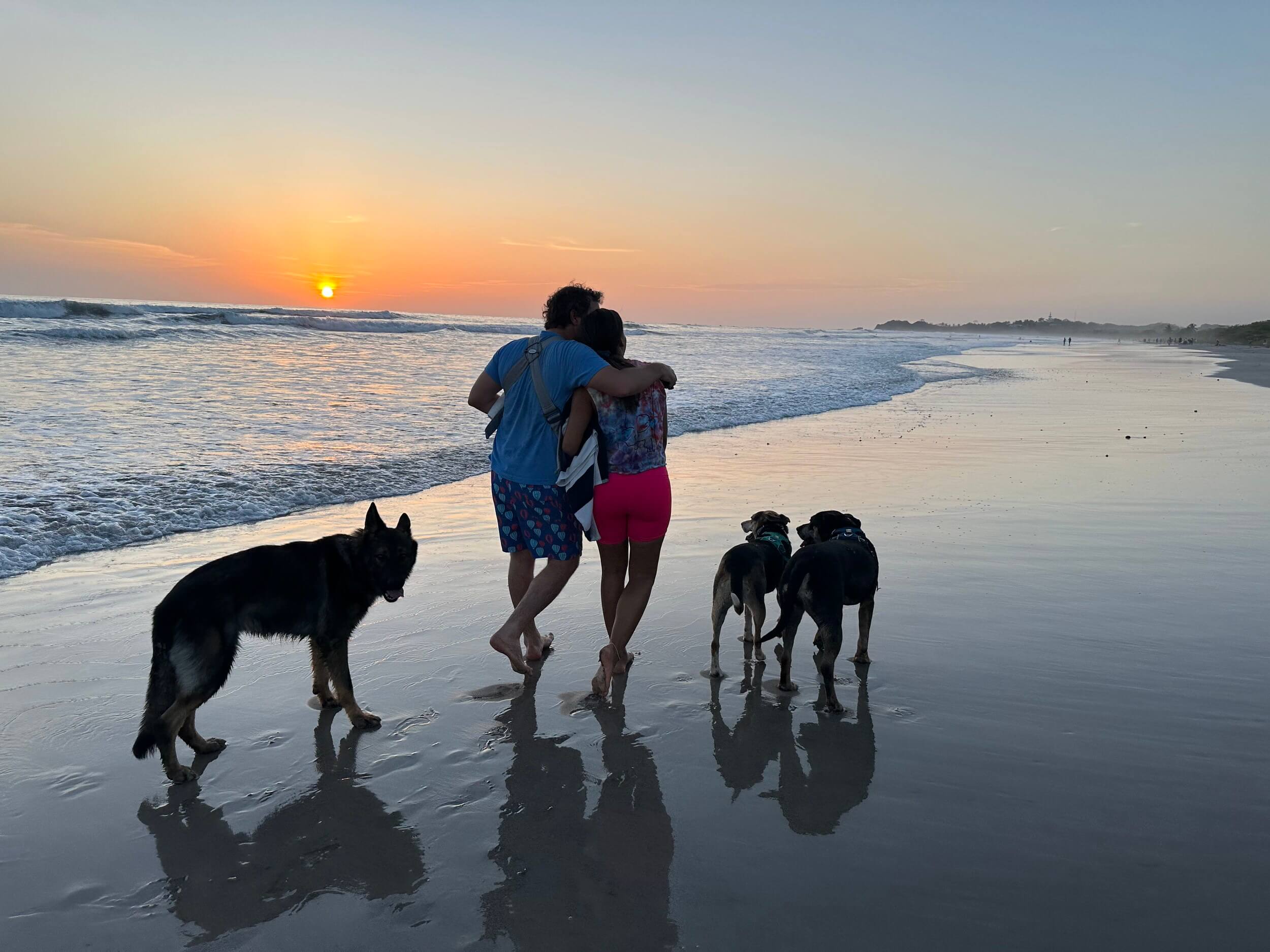
Blog Highlights:
A personal protection dog should enhance your daily life, not complicate it. When properly selected and trained, protection dogs adapt to your routine while providing consistent control, companionship, and security.
- You don’t need to structure your day around constant or excessive exercise
- The right protection dog is trained to match your lifestyle and daily pace
- Advanced off-leash obedience keeps your dog calm and still indoors
- Exercise supports health and enjoyment without interfering with protection duties
- Crate use is temporary and focused on acclimation, not long-term confinement
Read on to learn more about how CPI trains protection dogs to integrate seamlessly into your everyday life while ensuring you have access to a personal protection dog that is ready to protect you with their life at any given moment.
As a first-time owner of a protection dog, it's natural to have questions about how this type of dog can fit into your everyday lifestyle.
In this blog post, we'll explore some common questions new owners may have, including whether or not protection dogs need exercise, how long they can be in their crate, how to feed them, and where they can go with you.
Some new dog owners feel as though they must revolve their world around their dog; instead, our training program ensures that your dog's world revolves around you.
Exercise Requirements for a Protection Dog
Protection dogs enjoy regular physical activity and benefit from it just like any other dog. However, exercise isn’t required for training purposes.
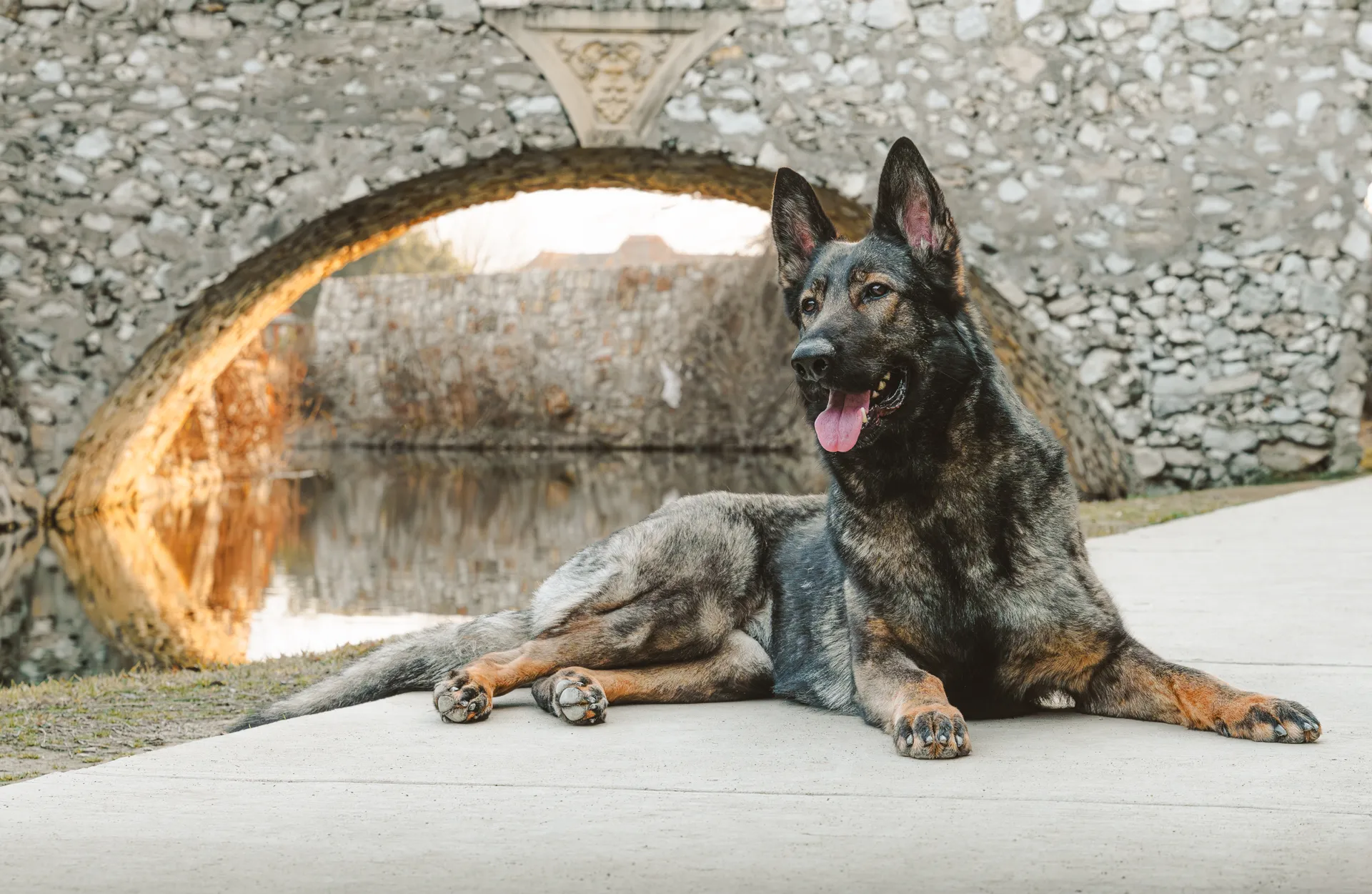
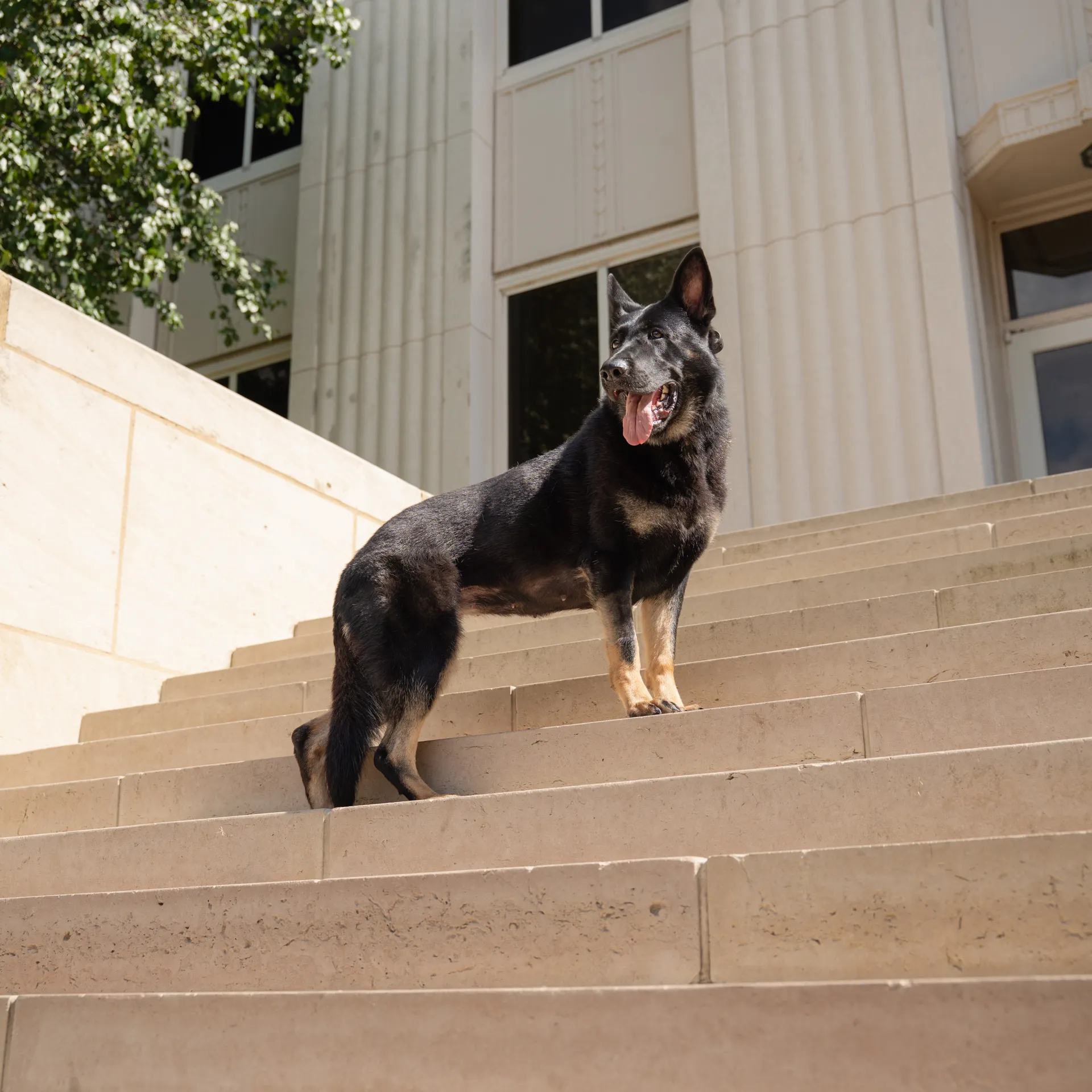
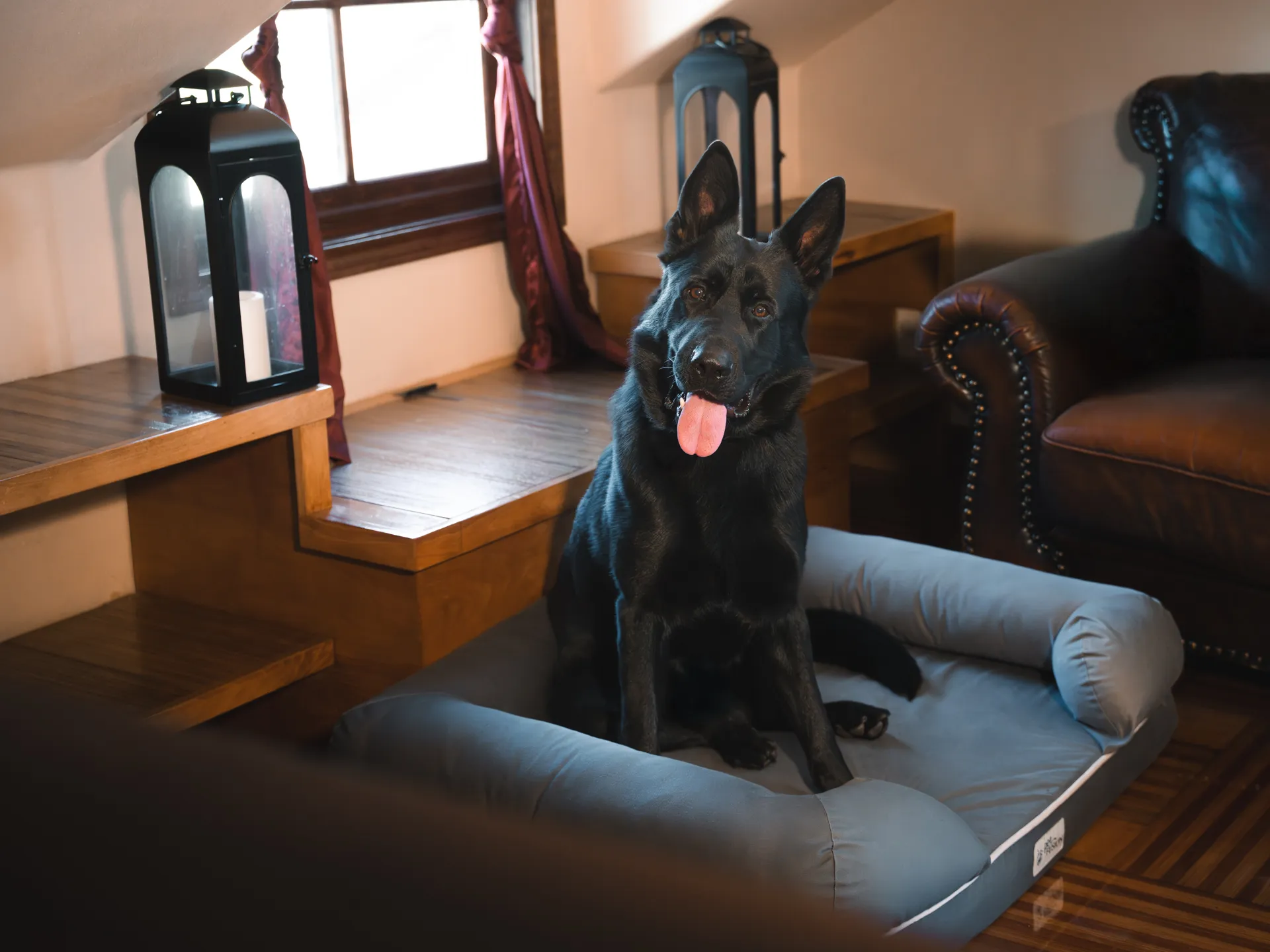
Here at CPI, the two breeds we work with are Belgian Malinois and German Shepherds. While there is the school of thought that you need to "exercise your dog to be calm and predictable," we feel this is only one part of a larger perspective. Our training programs include complete off-leash obedience training where the dog will be quiet and still 100% of the time while indoors, regardless of recent exercise.
This is not to say they don't enjoy the activity, or that you shouldn’t exercise them! Dogs are much happier and healthier when they are able to get out for both mental and physical stimulation. The difference is that our programs ensure that exercise never gets in the way of your life or the dog performing its critical roles when situations do not allow frequent or rigorous activities with your dog.
As for crate time, protection dogs can spend a reasonable amount of time in their crate, but it's important not to leave them in there for too long.
We do not put our dogs in crates to punish them; for them, it is a place to go and relax and take a break. While it is important to crate your dog during the acclimation period upon receiving your new dog (more on this in a future blog article), it is not necessarily long-term, and most clients end up putting their crate into storage a few months after the arrival of their new dog.
Accompanying on Errands
Statistically, the most common threats approach when exiting or entering your home. This means that one of the most significant ways a protection dog can fit into everyday life is by accompanying you or your family on errands. When asking yourself, “What dog suits my lifestyle?” consider where you often go.
Owners can bring their dogs to places like the grocery store, bank, or post office and feel more comfortable knowing their dog is there in case the need for them arises. The image of a well-trained dog, off-leash, at their owner's side, following them everywhere they go in a close heel command, is enough to deter most would-be attackers. If the look of the dog and the high level of obedience training are not enough, functional protection is a command away.
Feeding a Protection Dog
When it comes to feeding, protection dogs require a balanced and nutritious diet to maintain their health and energy levels. We love seeing our clients' older dogs in great shape and still providing a high level of viable protection. To ensure a long, healthy life, a dog's diet consisting of quality food plays a major role, just as is the case with humans.
While this topic deserves its own article (or series of articles), we provide some simple guidelines below.
- We recommend feeding your dog the best food you can provide for your situation. Dry kibble is fed around the world with great results in the long term. This is the most readily available form of food and involves zero maintenance, and if you travel frequently, this may be the best option.
- On the other side of the scale, there is the raw diet. This diet can dramatically increase the cost and time it takes to feed daily, although, for us, the benefits outweigh the negatives. A raw diet can consist of everything from frozen pre-made food to raw meats that are self-sourced. If you choose to self-source the meat, you must have the proper ratio of protein to the bone, to organ meat, and you must supplement additional nutrients. Please work with your local vet to determine the best supplements to include with the version of the raw diet you choose.
- There are also freeze-dried and dehydrated options to consider that are becoming more readily available.
Contact our staff for specific food recommendations in your area or to learn more about how we feed.
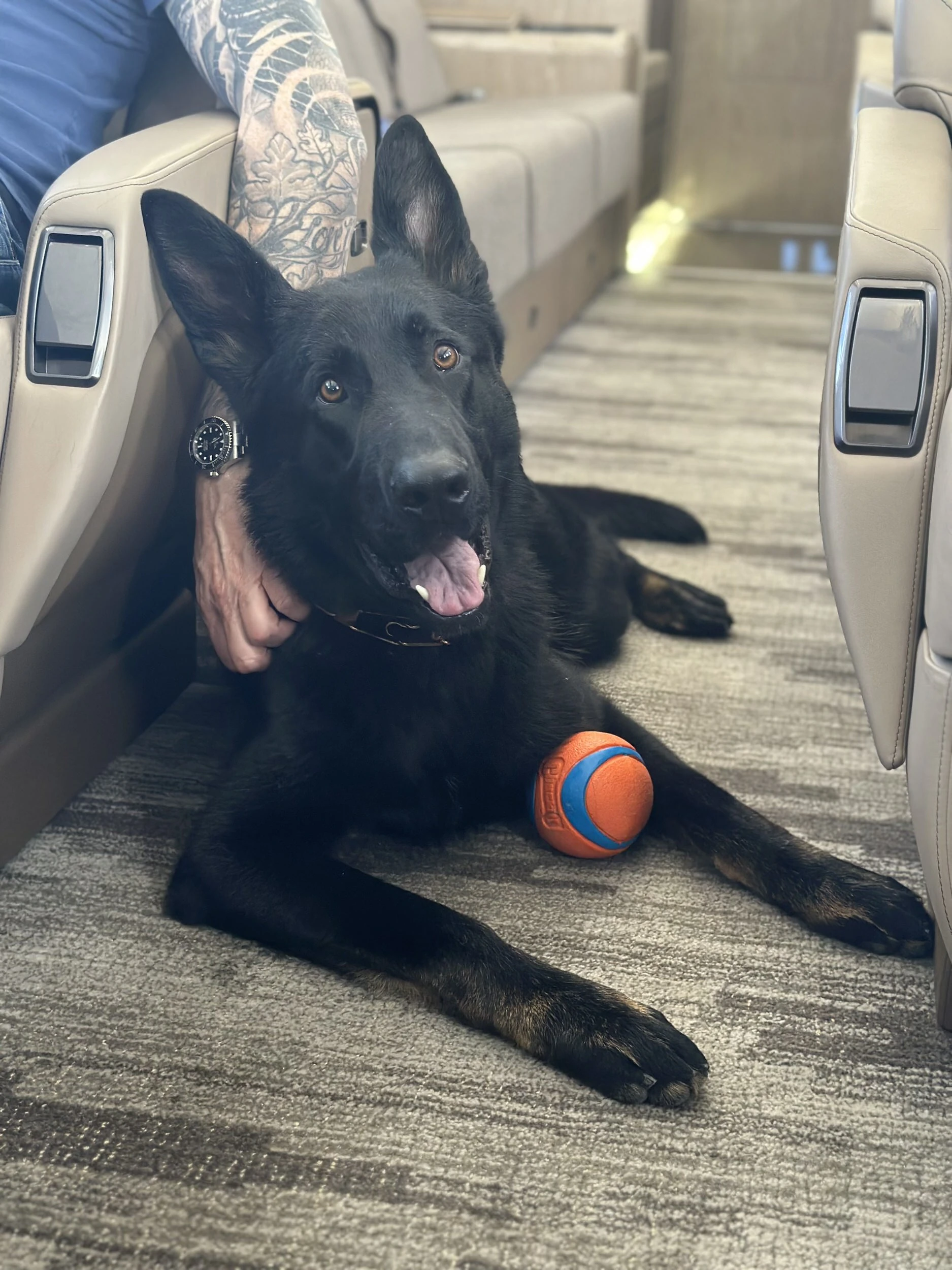
Travel Buddy
Dog breeds that will protect you with their life get a bad rap for being unfriendly or antsy, waiting for threats. The reality is that a protection dog can also become a great travel buddy.
Whether traveling by car, train, or plane, having a personal protection dog by your side when on the go gives peace of mind, especially when traveling to unfamiliar places.
Here are some of the main reasons why a personal protection dog makes a great companion on the go:
- Personal protection dogs are always on guard and ready to alert their owner of potential threats, making traveling much less stressful. These dogs have been socialized and acclimated to new environments their whole lives, so taking them to new places comes naturally.
- Having a well-trained dog at your side can act as a deterrent to potential threats and help ensure your personal safety while traveling, especially in unfamiliar or potentially dangerous environments.
- While traveling to new places can be fun, it can sometimes be intimidating or have a feeling of vulnerability. Having a protection dog with you can boost your confidence and give you peace of mind, knowing that you have a loyal and capable companion who can assist in safeguarding your well-being. Our protection dogs have a keen sense of their surroundings and can detect unusual sounds, smells, or behaviors that might go unnoticed by humans.
- By traveling with a protection dog, you benefit from their heightened senses and increased awareness, allowing you to stay alert and responsive to potential risks or dangers.
- All of these reasons are great, but sometimes, on a simpler level, travel, especially for work, can be lonely. A protection dog can provide companionship and be a constant source of comfort and interaction during your travels, reducing feelings of isolation and adding a sense of familiarity to your experiences.
Here’s the bottom line: Knowing that you have a loyal and trained protection dog with you can bring a sense of ease and peace of mind while traveling. Whether it's navigating busy airports, staying in unfamiliar accommodations, or exploring new destinations, having a reliable partner can make the overall experience more enjoyable and less worrisome.
It's important to note that traveling with a protection dog requires responsible ownership and adherence to local laws and regulations.
Training and Responsibility
Purchasing a fully trained protection dog offers several advantages that make life easier. One of the main benefits is the significant amount of time and effort saved.
Training a protection dog from scratch requires extensive dedication, expertise, and patience. By buying a fully trained protection dog, you bypass the lengthy selection and training process, instantly gaining access to a dog that is skilled in obedience, apprehension techniques, and controlled aggression.
Another advantage is the ability to customize the training to suit your specific needs. Not only do we select the perfect dog for your needs, but you can also specify your lifestyle, travel requirements, and security concerns, ensuring that the dog's selection and training align with your individual preferences. This tailored approach guarantees that the dog is well-suited to your needs and provides optimal protection.
Furthermore, fully trained personal protection dogs offer reliability and consistency in their behavior. They have undergone rigorous training and conditioning to ensure that they respond appropriately and consistently to potential threats. This reliability gives you confidence in your dog's ability to provide protection in various situations, contributing to a greater sense of security.
Conclusion
If a method of protection is cumbersome, it is likely to be skipped when it's needed most, when someone is running late or stressed. The key to effective protection is that it's easy and effortless to have within arms reach 24/7, 365 days a year.
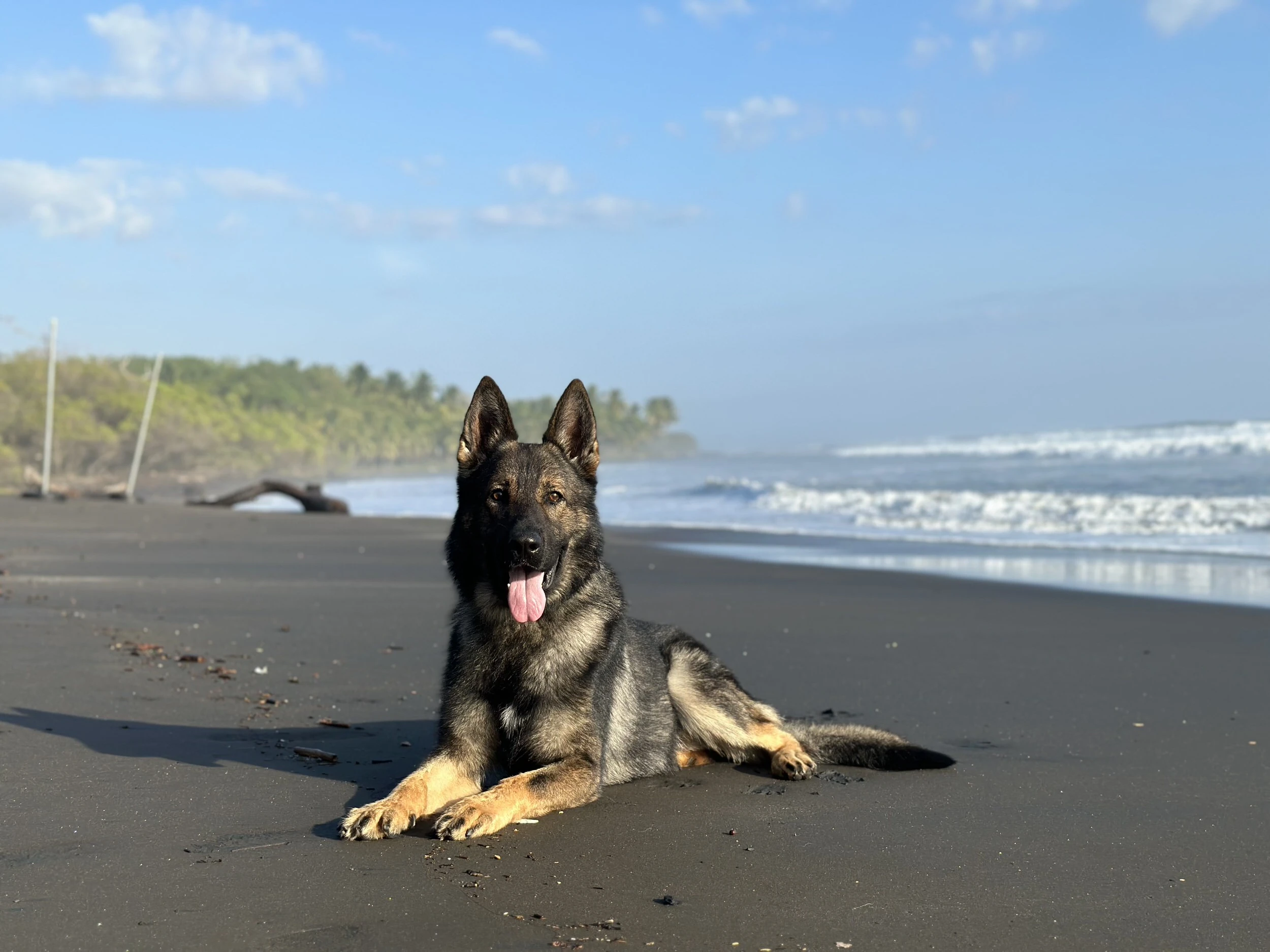
Integrating a protection dog into your everyday lifestyle offers a multitude of benefits, combining security and companionship seamlessly without the need for any significant level of sacrifice or compromise.
Our well-trained dogs can accompany you on errands, acting as a visible deterrent to potential threats while instilling a sense of comfort.
Ready to learn about additional benefits of a protection dog that suits your lifestyle? Request more info now.
You can now order premium raw dog food directly from CPI! Give your dog the best in nutrition with our custom blend, designed to boost their health and energy.
Order today and have fresh, high-quality meals delivered straight to your door!
Order today